
Tesla's Bold Texas Gambit: Autonomous Taxis Set to Hit Austin Streets Amid Regulatory Loopholes and Safety Concerns
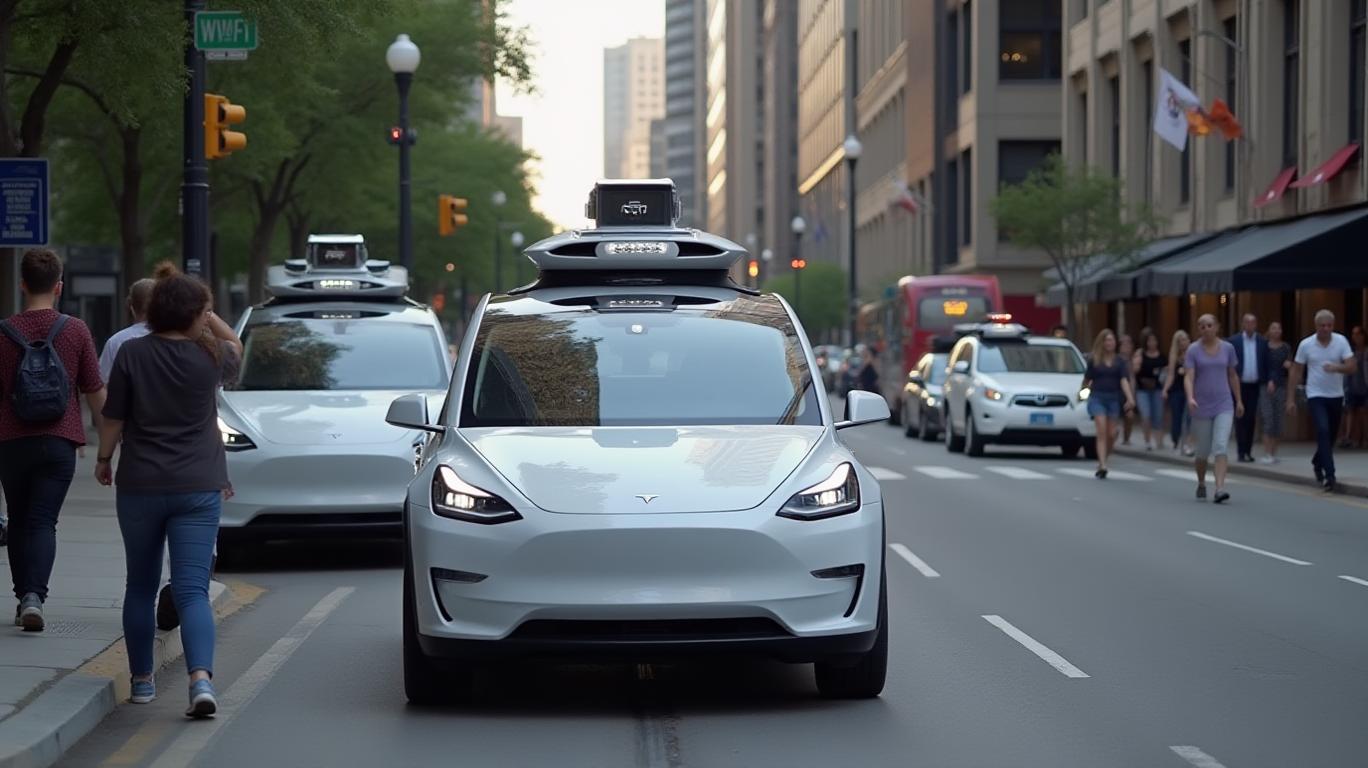
In June, Tesla aims to launch its autonomous taxi service in Austin, Texas, leveraging the state's regulatory leniency, as confirmed by Elon Musk. Tesla's strategic move to Texas, where merely registering and insuring is sufficient for autonomous vehicles to operate, contrasts starkly with California's stringent control environment. This development unfolds amid recent concerns over Tesla's declining sales and unmet financial expectations. Musk's plan has stirred apprehension over the unreliability of Tesla's self-driving technology and the accountability for potential mishaps, especially given Tesla's history of attributing FSD-related accidents to user error. Experts emphasize that fully autonomous taxis would hold Tesla accountable for any incidents.
Texas' relaxed stance aligns with Musk's political leanings. State law allows autonomous vehicle companies to operate on public roads with basic registration and insurance, avoiding license requirements for autonomous taxis and prohibiting local regulatory frameworks. Texas Senator Kelly Hancock outlines the state’s mission to foster industry growth by minimizing barriers. The free-market approach has proven attractive, leading Tesla to relocate its headquarters from California to Texas. Meanwhile, California maintains strict operational controls, granting taxi service permissions only to extensively tested vehicles, leaving Tesla with fewer testing miles reported in the state.
South Carolina law professor Bryant Walker Smith questions the feasibility of large-scale deployments of Tesla’s autonomous technology, noting that Texas does not require “pre-market approval.” Despite Tesla's ambition, successful extensive deployment remains uncertain, necessitating further development steps and potentially limited area testing under favorable conditions.
Yet, Texas's permissive policies unveil a regulatory vacuum, bringing safety concerns to the forefront. Austin City Councilor Zo Qadri voices frustration over the city’s regulatory impotence against private firms favoring public roads as testing grounds. The surge of autonomous vehicles on Austin’s streets over the past two years has raised alarms among residents and officials, highlighted by traffic cogs caused by autonomous vehicles. Despite multiple complaints and incidents of obstructed roadways, punishment mechanisms remain elusive.
Tech firms including Waymo are proactively responding to these disputes by collaborating with local leaders and improving community trust. Tesla has similarly initiated dialogue with Austin officials, acquiring vital information on local emergency protocols, school zones, and event-specific road rules to mitigate potential disruptions. This cooperative approach aims to balance innovation with community safety and trust as the industry advances.

Stay ahead of the market.
Get curated U.S. market news, insights and key dates delivered to your inbox.
AInvest
PRO
AInvest
PRO



Comments
No comments yet