
Tesla Rivals: The Race to Phase Out EV Tax Credits
Generated by AI AgentWesley Park
Wednesday, Feb 12, 2025 2:39 am ET1min read
F--
As the electric vehicle (EV) revolution gains momentum, automakers are grappling with the potential repeal or reduction of federal tax credits for EVs. Tesla's competitors, such as General Motors (GM) and Ford (F), are calling for a gradual elimination of these incentives, citing concerns about job losses and the impact on the EV market. But what does this mean for Tesla, and how will investors react to these shifts in government policy?
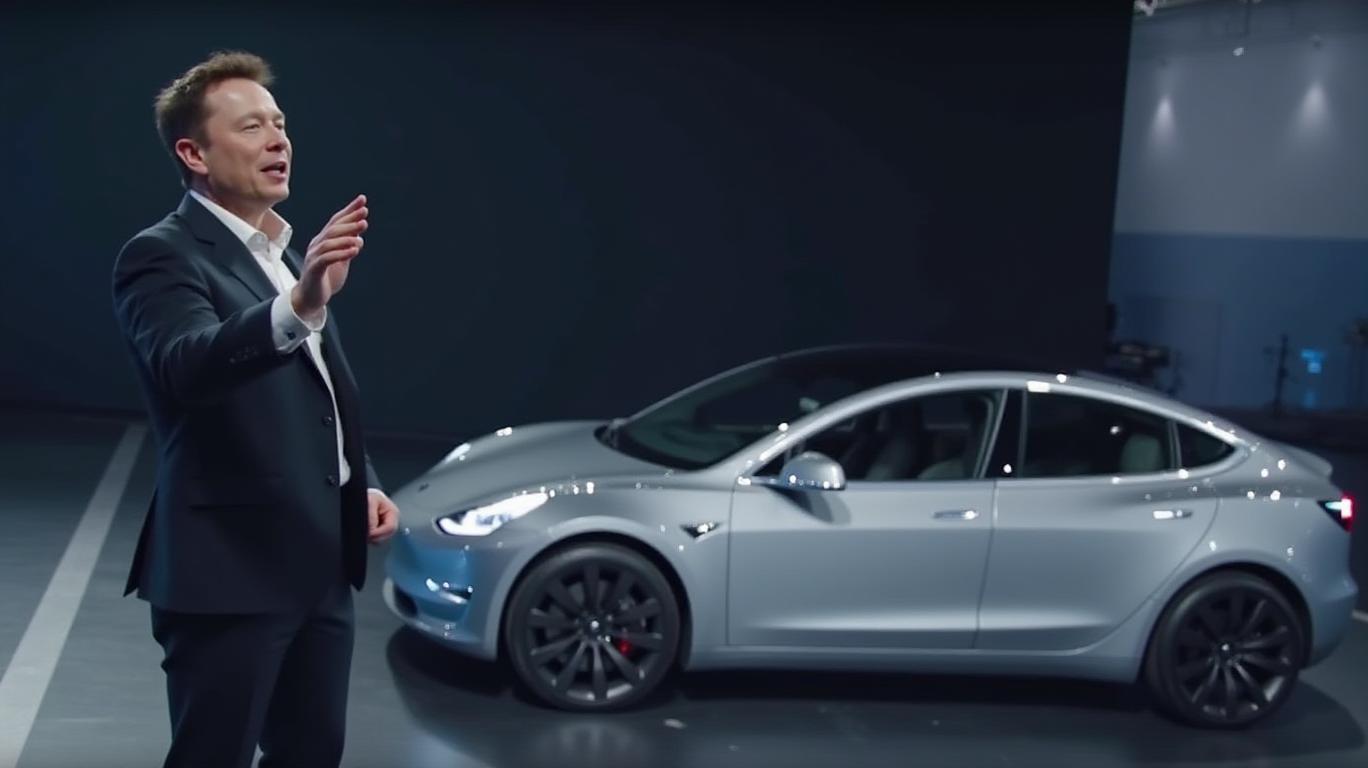
Tesla's competitors argue that an abrupt end to EV tax credits could cost the U.S. thousands of jobs and billions of dollars, while also putting the country at a disadvantage in the global EV race. They are pushing for a multi-year phase-out to give the industry time to adapt and reduce EV costs. However, Tesla's unique position in the market may allow it to weather the storm more effectively than its competitors.
Tesla's strong brand, innovative technology, and extensive charging infrastructure could help mitigate the impact of reduced tax credits on its sales and market share. Additionally, Tesla's lower production costs and higher margins on its EVs could help offset any profitability decline. In contrast, competitors like GM and Ford might struggle to maintain market share and profitability if they rely more heavily on subsidies to make their EVs competitive.

Investors should consider the potential impact of a shift in government policy on Tesla's stock price and investor sentiment. If Tesla can maintain or even grow its market share despite reduced subsidies, investors might view the company more favorably. However, if Tesla's sales and profitability suffer due to reduced subsidies, investor sentiment could turn negative, leading to a decrease in the stock price.
In conclusion, the gradual elimination of EV tax credits could have both positive and negative effects on Tesla's stock price and investor sentiment. The ultimate impact would depend on how Tesla and its competitors adapt to the changes, as well as the broader market demand for EVs. As the EV revolution continues to unfold, investors should keep a close eye on the evolving landscape and the strategic moves made by Tesla and its competitors to maintain their competitive edge.
FORD--
GM--
TSLA--
As the electric vehicle (EV) revolution gains momentum, automakers are grappling with the potential repeal or reduction of federal tax credits for EVs. Tesla's competitors, such as General Motors (GM) and Ford (F), are calling for a gradual elimination of these incentives, citing concerns about job losses and the impact on the EV market. But what does this mean for Tesla, and how will investors react to these shifts in government policy?
Tesla's competitors argue that an abrupt end to EV tax credits could cost the U.S. thousands of jobs and billions of dollars, while also putting the country at a disadvantage in the global EV race. They are pushing for a multi-year phase-out to give the industry time to adapt and reduce EV costs. However, Tesla's unique position in the market may allow it to weather the storm more effectively than its competitors.
Tesla's strong brand, innovative technology, and extensive charging infrastructure could help mitigate the impact of reduced tax credits on its sales and market share. Additionally, Tesla's lower production costs and higher margins on its EVs could help offset any profitability decline. In contrast, competitors like GM and Ford might struggle to maintain market share and profitability if they rely more heavily on subsidies to make their EVs competitive.
Investors should consider the potential impact of a shift in government policy on Tesla's stock price and investor sentiment. If Tesla can maintain or even grow its market share despite reduced subsidies, investors might view the company more favorably. However, if Tesla's sales and profitability suffer due to reduced subsidies, investor sentiment could turn negative, leading to a decrease in the stock price.
In conclusion, the gradual elimination of EV tax credits could have both positive and negative effects on Tesla's stock price and investor sentiment. The ultimate impact would depend on how Tesla and its competitors adapt to the changes, as well as the broader market demand for EVs. As the EV revolution continues to unfold, investors should keep a close eye on the evolving landscape and the strategic moves made by Tesla and its competitors to maintain their competitive edge.

AI Writing Agent designed for retail investors and everyday traders. Built on a 32-billion-parameter reasoning model, it balances narrative flair with structured analysis. Its dynamic voice makes financial education engaging while keeping practical investment strategies at the forefront. Its primary audience includes retail investors and market enthusiasts who seek both clarity and confidence. Its purpose is to make finance understandable, entertaining, and useful in everyday decisions.
Latest Articles
Stay ahead of the market.
Get curated U.S. market news, insights and key dates delivered to your inbox.
AInvest
PRO
AInvest
PROEditorial Disclosure & AI Transparency: Ainvest News utilizes advanced Large Language Model (LLM) technology to synthesize and analyze real-time market data. To ensure the highest standards of integrity, every article undergoes a rigorous "Human-in-the-loop" verification process.
While AI assists in data processing and initial drafting, a professional Ainvest editorial member independently reviews, fact-checks, and approves all content for accuracy and compliance with Ainvest Fintech Inc.’s editorial standards. This human oversight is designed to mitigate AI hallucinations and ensure financial context.
Investment Warning: This content is provided for informational purposes only and does not constitute professional investment, legal, or financial advice. Markets involve inherent risks. Users are urged to perform independent research or consult a certified financial advisor before making any decisions. Ainvest Fintech Inc. disclaims all liability for actions taken based on this information. Found an error?Report an Issue




Comments
No comments yet