
Tesla Rejects $60M Settlement, Faces $243M Damages for Autopilot Verdict
ByAinvest
Tuesday, Aug 26, 2025 2:56 am ET2min read
TSLA--
Tesla had previously rejected a $60 million settlement offer, which was disclosed in a filing by the plaintiffs' lawyers as part of a request for legal fees. The trial focused on an April 2019 crash involving a 2019 Model S featuring Autopilot driver-assistance software. The driver's Tesla struck the victims' parked Chevrolet Tahoe as they were standing beside it on a shoulder [2].
The verdict has significant implications for the electric vehicle (EV) and artificial intelligence (AI) sectors. It challenges the long-held belief that original equipment manufacturers (OEMs) can deflect accountability for accidents involving driver-assistance technologies by pointing to driver distraction or misuse. The ruling also raises questions about whether companies like Tesla have sufficiently conveyed the limitations of their technology and if their marketing efforts create a misleading sense of safety [2].
The reputational fallout from this case could be equally damaging. Tesla's stock price declined by 6% following the verdict, highlighting how swiftly legal and reputational challenges can translate into financial consequences. Investors are now grappling with how to adjust valuation models to account for the increased legal exposure associated with the development of autonomous driving technologies [2].
The verdict underscores the necessity of incorporating assessments of legal and reputational risks into traditional valuation metrics for EV and AI companies. Factors such as product liability exposure, regulatory scrutiny, and reputational capital must be considered. Companies adept at navigating the crossroads of technological ambition and legal responsibility are poised to emerge as industry leaders, while others could find themselves navigating a landscape filled with legal and reputational risks [2].
As Tesla appeals the verdict and the legal landscape continues to evolve, investors must adopt more sophisticated strategies that balance innovation with accountability. Prioritizing governance and transparency, diversifying exposure, factoring in regulatory timelines, and monitoring legal trends are key approaches for investors to consider [2].
References:
[1] Reuters. (2025, August 25). Tesla rejected $60 million settlement before losing $243 million Autopilot verdict. Retrieved from https://www.reuters.com/legal/litigation/tesla-rejected-60-million-settlement-before-losing-243-million-autopilot-verdict-2025-08-25/
[2] SSBCrack News. (2025, August 25). Tesla faces $243 million verdict in fatal Autopilot crash, raising legal and liability concerns for EV sector. Retrieved from https://news.ssbcrack.com/tesla-faces-243-million-verdict-in-fatal-autopilot-crash-raising-legal-and-liability-concerns-for-ev-sector/
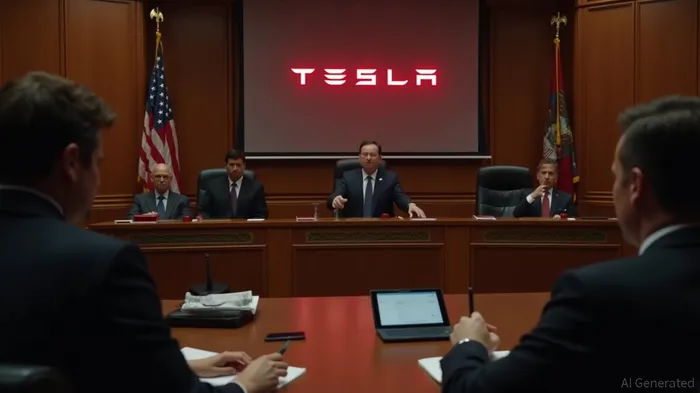
Tesla rejected a proposed $60 million settlement in a lawsuit related to a fatal 2019 crash involving its Autopilot system, but after going to trial, the company was hit with a $243 million verdict by a Miami jury.
Elon Musk's electric vehicle company, Tesla, has faced a significant setback following a Miami jury's verdict in a lawsuit over a 2019 fatal crash involving its Autopilot system. The jury awarded a combined $243 million to the estate of Naibel Benavides Leon, who was killed, and her boyfriend Dillon Angulo, who was seriously injured. Tesla was held liable for 33% of the compensatory damages and all of the punitive damages, amounting to $42.6 million and $200 million, respectively [1].Tesla had previously rejected a $60 million settlement offer, which was disclosed in a filing by the plaintiffs' lawyers as part of a request for legal fees. The trial focused on an April 2019 crash involving a 2019 Model S featuring Autopilot driver-assistance software. The driver's Tesla struck the victims' parked Chevrolet Tahoe as they were standing beside it on a shoulder [2].
The verdict has significant implications for the electric vehicle (EV) and artificial intelligence (AI) sectors. It challenges the long-held belief that original equipment manufacturers (OEMs) can deflect accountability for accidents involving driver-assistance technologies by pointing to driver distraction or misuse. The ruling also raises questions about whether companies like Tesla have sufficiently conveyed the limitations of their technology and if their marketing efforts create a misleading sense of safety [2].
The reputational fallout from this case could be equally damaging. Tesla's stock price declined by 6% following the verdict, highlighting how swiftly legal and reputational challenges can translate into financial consequences. Investors are now grappling with how to adjust valuation models to account for the increased legal exposure associated with the development of autonomous driving technologies [2].
The verdict underscores the necessity of incorporating assessments of legal and reputational risks into traditional valuation metrics for EV and AI companies. Factors such as product liability exposure, regulatory scrutiny, and reputational capital must be considered. Companies adept at navigating the crossroads of technological ambition and legal responsibility are poised to emerge as industry leaders, while others could find themselves navigating a landscape filled with legal and reputational risks [2].
As Tesla appeals the verdict and the legal landscape continues to evolve, investors must adopt more sophisticated strategies that balance innovation with accountability. Prioritizing governance and transparency, diversifying exposure, factoring in regulatory timelines, and monitoring legal trends are key approaches for investors to consider [2].
References:
[1] Reuters. (2025, August 25). Tesla rejected $60 million settlement before losing $243 million Autopilot verdict. Retrieved from https://www.reuters.com/legal/litigation/tesla-rejected-60-million-settlement-before-losing-243-million-autopilot-verdict-2025-08-25/
[2] SSBCrack News. (2025, August 25). Tesla faces $243 million verdict in fatal Autopilot crash, raising legal and liability concerns for EV sector. Retrieved from https://news.ssbcrack.com/tesla-faces-243-million-verdict-in-fatal-autopilot-crash-raising-legal-and-liability-concerns-for-ev-sector/
Stay ahead of the market.
Get curated U.S. market news, insights and key dates delivered to your inbox.
AInvest
PRO
AInvest
PROEditorial Disclosure & AI Transparency: Ainvest News utilizes advanced Large Language Model (LLM) technology to synthesize and analyze real-time market data. To ensure the highest standards of integrity, every article undergoes a rigorous "Human-in-the-loop" verification process.
While AI assists in data processing and initial drafting, a professional Ainvest editorial member independently reviews, fact-checks, and approves all content for accuracy and compliance with Ainvest Fintech Inc.’s editorial standards. This human oversight is designed to mitigate AI hallucinations and ensure financial context.
Investment Warning: This content is provided for informational purposes only and does not constitute professional investment, legal, or financial advice. Markets involve inherent risks. Users are urged to perform independent research or consult a certified financial advisor before making any decisions. Ainvest Fintech Inc. disclaims all liability for actions taken based on this information. Found an error?Report an Issue


ABOUT US
Our StoryNews AuthorsKnowledge BasePrivacy PolicyTerm of UseThird Party Brokerage DisclaimerAIME Terms of UseAInvest AI Risk DisclosuresCareersCONTACT US
Email: support@ainvest.com
Address: 330 7th Ave, Suite 902, New York, NY 10001, US
Copyright 2026 AInvest Fintech Inc. All rights reserved.


Comments
No comments yet