
Tesla Q4 Preview: After Losing the EV Crown, What Cards Are Left?
 Aime Summary
Tesla will report its fourth-quarter earnings after the U.S. market close on January 28. Revenue is expected to reach $25.1 billion, down 2% year over year, while adjusted net profit is forecast at $1.59 billion, a sharp 38% YoY decline.
For full-year 2025, TeslaTSLA-- delivered 1.636 million vehicles, an 8.5% decline from the prior year, officially losing its global EV sales crown to BYD, which delivered 2.257 million vehicles. With deliveries already known, investor attention will center on gross margins and management’s delivery guidance for 2026.
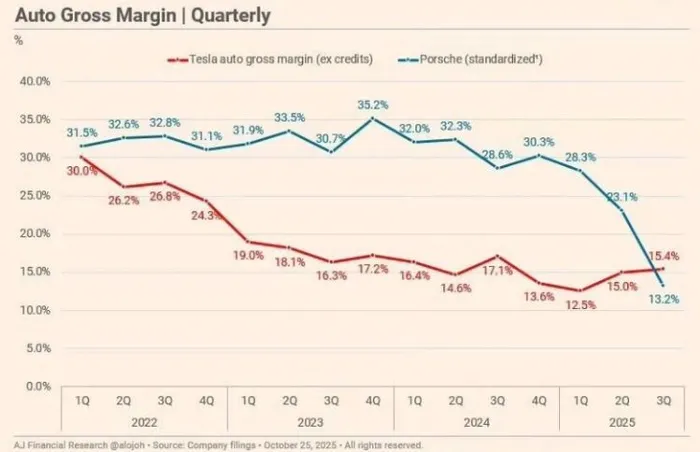
Electric vehicles have transitioned from an emerging industry to a mature one, with intensifying competition naturally compressing margins. That said, Tesla continues to command a degree of pricing premium thanks to its product strength. According to GuruFocus, market consensus expects Tesla’s automotive gross margin to remain above 17%.
After Losing the EV Crown, Tesla Still Has Three Cards to Play
Despite losing its global EV leadership position, Tesla still has three major growth levers that justify its premium valuation:FSD autonomous driving (and Robotaxi), Optimus humanoid robots, and energy storage.
FSD: Subscription Model Unlocks Long-Term Upside
Starting after February 14, Tesla’s Full Self-Driving (FSD) system will move to a subscription-only model. New users must pay $99 per month, with the $8,000 one-time buyout option eliminated.
After roughly seven years, cumulative subscription revenue would exceed the former one-time purchase price, materially improving the long-term profitability of Tesla’s software business. Tesla is also actively pushing for FSD approval in China and Europe, making regulatory progress a key catalyst to watch.
Robotaxi: Gradual Progress, Real Competition
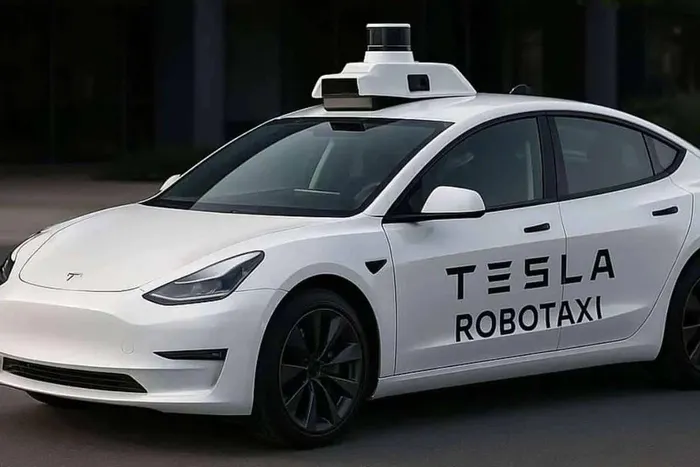
Built on its autonomous driving stack, Tesla’s Robotaxi business is advancing steadily. The dedicated Cybercab model is expected to enter mass production in April 2026. Pilot L4 testing is already underway in Austin and San Francisco, with widespread U.S. deployment targeted for 2027.
That said, competition is real. Waymo, owned by Google, remains Tesla’s most formidable rival in autonomous ride-hailing.
Optimus: Musk’s Long-Term Wildcard
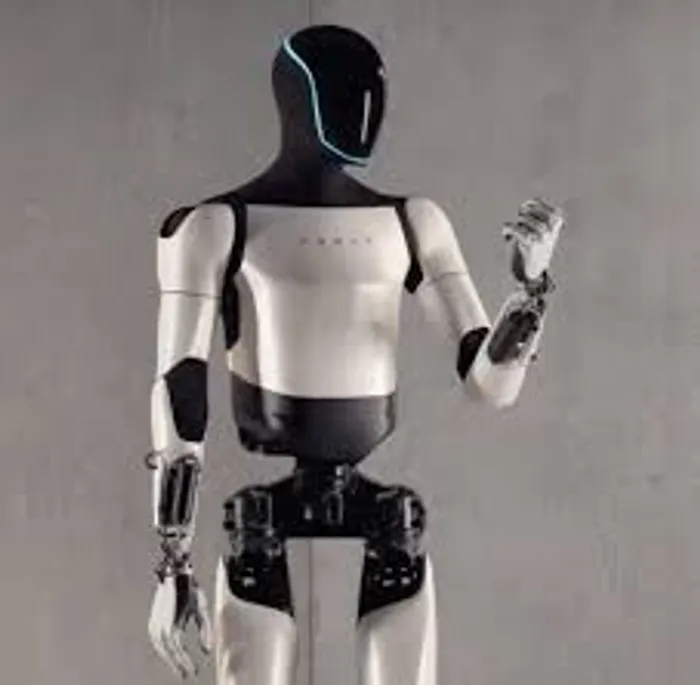
At the Davos forum, Elon Musk revealed that robots are already performing simple tasks inside Tesla factories. By late 2026, they are expected to handle more complex work, with public sales of Optimus planned before the end of 2027, subject to safety and capability validation.
Previously, at the Future Investment Initiative Summit in October 2024, Musk projected that by 2040, the world could have 10 billion or more robots, priced at $20,000–$25,000 each. If Optimus succeeds at scale, Tesla’s valuation could theoretically reach $25–30 trillion—a figure that sounds fantastical today, but Musk has a history of defying skepticism.
Energy Storage: The Underappreciated Growth Engine
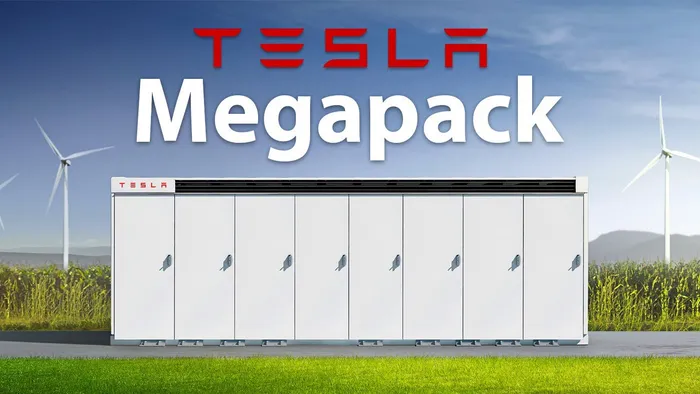
Tesla’s final growth card is its energy storage business. As data centers and households increasingly compete for electricity, Musk has floated solutions ranging from space-based data centers to large-scale deployment of Megapack battery systems.
In 2025, Tesla deployed 46.7 GWh of energy storage capacity, up 49% year over year, making the segment an increasingly important profit contributor. Morgan Stanley has described energy storage as an “undervalued growth engine.”
SpaceX: A Potential Wild Card for the Earnings Call
SpaceX is expected to pursue a public listing this year, potentially becoming the largest IPO in history. While Tesla and SpaceX are separate entities, both are led by Musk, raising expectations that Tesla’s earnings call may include updates on the space economy and Musk’s broader vision.

Senior Research Analyst at Ainvest, formerly with Tiger Brokers for two years. Over 10 years of U.S. stock trading experience and 8 years in Futures and Forex. Graduate of University of South Wales.
Latest Articles
Stay ahead of the market.
Get curated U.S. market news, insights and key dates delivered to your inbox.
AInvest
PRO
AInvest
PRO



Comments
No comments yet