
Tesla Q2 Earnings Call Takeaways: Global Electrification Of Transportation, Significant Progress With FSD
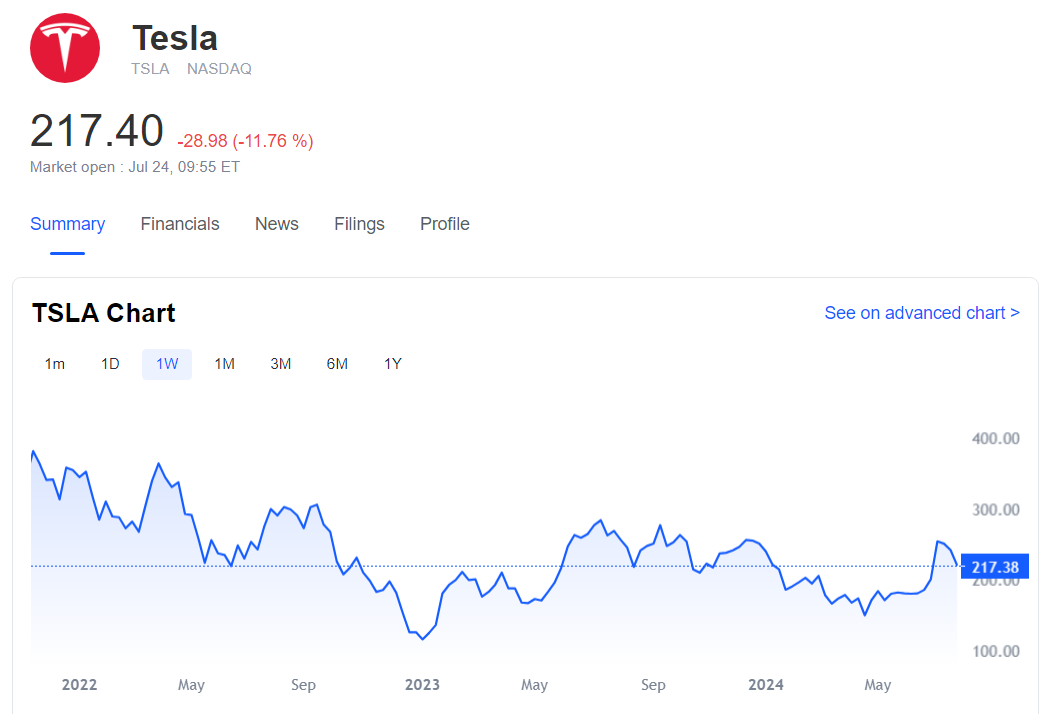
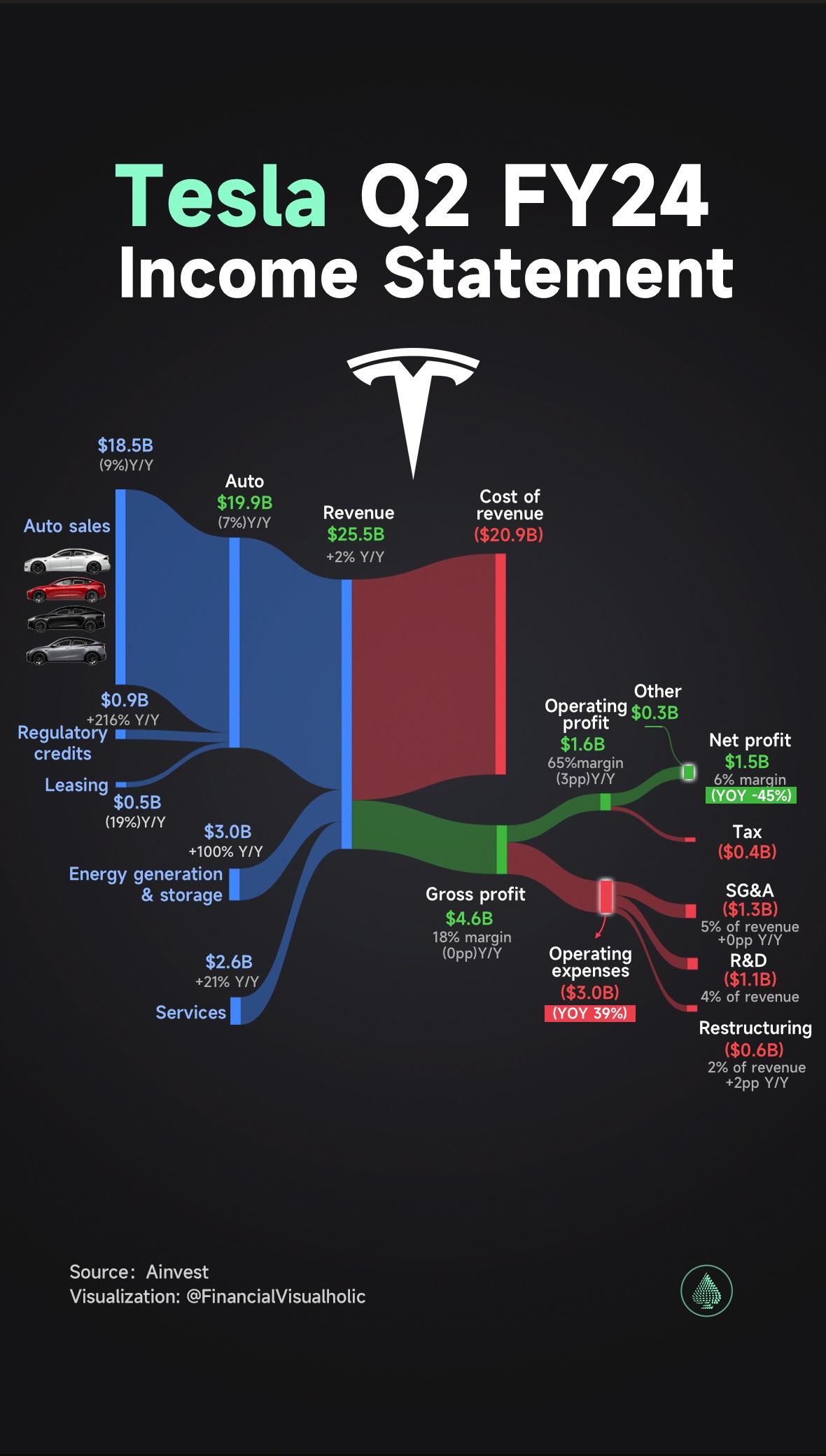
Tesla reported disappointing second quarter earnings, the results caused shares price to fall 10%.
Here are Tesla Earnings Call Key Takeaways:
Gross Margin and Electric Vehicle Industry Price Wars :
Tesla views the current price competition in the electric vehicle market as a short-term phenomenon. Despite significant discounts by other manufacturers, Tesla believes electric vehicles remain the best choice for customers and anticipates global electrification of transportation as a long-term trend. Tesla maintains strong appeal to customers, with two-thirds of last quarter's product sales going to new users.
Energy Storage Business Development and Advantages:
Tesla's energy storage deployments reached historic highs in Q2, driving record profits in the energy business. The company is increasing production in the U.S. and China to meet demand, with energy storage growth outpacing other segments. Tesla's Megapack energy storage batteries, equipped with unique software stacks, provide unmatched advantages in the market. Despite fierce competition, Tesla asserts its energy storage solutions offer clear advantages, with global demand far exceeding current supply.
Musk said Tesla is still working to develop a more affordable model that could begin production in the first half of next year.
Optimus Robot Progress and Mass Production Plans:
Optimus robots are already performing tasks in Tesla factories, with limited production of the Optimus production version 1 slated to begin early next year for Tesla's own use. By the end of next year, Tesla expects thousands of Optimus robots to be in operation at its factories. By 2026, Tesla plans significant production increases and external customer deliveries of Optimus robots. Musk anticipates Optimus will hold greater long-term value than all other Tesla products.
FSD Autonomous Driving and Robotaxi Progress:
Tesla made significant progress with FSD in Q2, although specific data wasn't disclosed, highlighting improved FSD experiences and increased user acceptance. Musk shared personal experiences confirming FSD's reliability and convenience. Based on current progress, he anticipates achieving fully autonomous driving next year, with regulatory approval not seen as a barrier. Additionally, several major OEMs have shown interest in FSD licensing, but Tesla leans towards collaborations with OEMs producing over a million vehicles annually.
Dojo Supercomputer Progress:
Impressed by NVIDIA's hardware performance, Tesla expresses concerns about future GPU supply adequacy. Hence, Tesla plans increased investment in Dojo to ensure sufficient AI training capabilities. A new data center in the southern part of its Texas Gigafactory is being prepared to install and activate new GPUs.
Cybertruck, 4680 Battery New Business Progress:
Tesla achieved strong growth in 4680 battery production capacity in Q2, with Cybertruck's weekly production exceeding 1,400 units. Tesla plans to adopt dry electrode technology for battery production in Q4, expecting significant cost reductions in line with initial goals for the 4680 battery.
Other Key Points:
Facing potential policy changes like reductions in EV incentives, Tesla anticipates short-term impacts but foresees long-term advantages, as competitors may face greater challenges. Tesla's long-term value primarily rests on its autonomous driving technology, with other factors having comparatively minor impacts. Tesla aims to sustain healthy business growth without subsidies and maintain its market leadership position.

Expert analysis on U.S. markets and macro trends, delivering clear perspectives behind major market moves.
Latest Articles
Stay ahead of the market.
Get curated U.S. market news, insights and key dates delivered to your inbox.
AInvest
PRO
AInvest
PRO



Comments
No comments yet