
Tesla's OSHA Citation: A Blip or a Red Flag for Investors?
Generated by AI AgentWesley Park
Thursday, Feb 20, 2025 6:50 am ET2min read
TSLA--
Tesla (TSLA) has been in the headlines again, this time for all the wrong reasons. The U.S. Occupational Safety and Health Administration (OSHA) has reportedly cited the electric vehicle (EV) giant for violating workplace safety regulations in connection with the electrocution of a worker at its Texas Gigafactory last year. The incident, which resulted in the death of Victor Gomez Sr., an electrician working as a contractor at Tesla, has raised concerns about the company's safety culture and practices.
The investigation into the incident is now closed, and citations have been issued, according to Reuters. However, the nature of Tesla's workplace-safety failures and any potential penalties remain unknown. The family of the deceased worker has filed a lawsuit against Tesla, alleging negligence and arguing that the panel was powered up though it was supposed to be inactive.
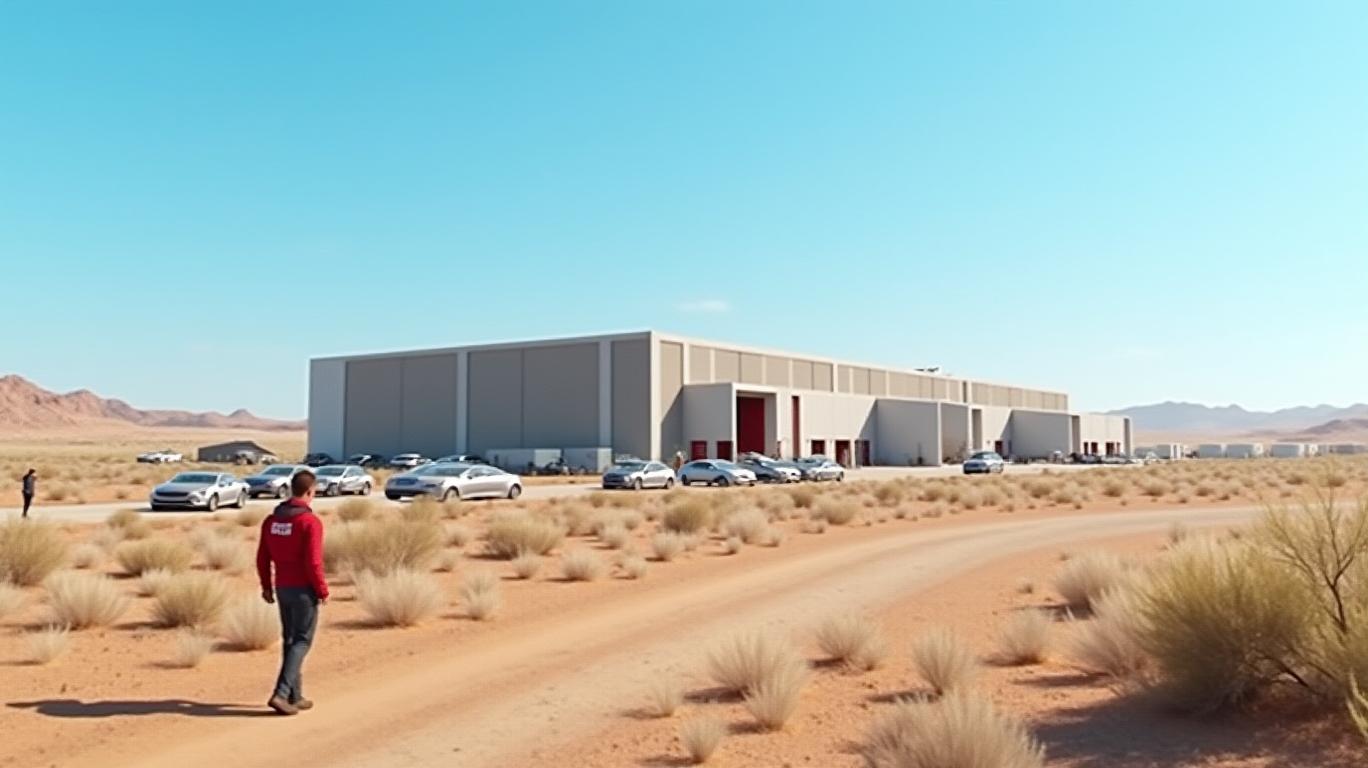
Tesla's Gigafactory in Texas is the company's global headquarters and covers 2,500 acres along the Colorado River. The company manufactures its best-selling Model Y SUV and the latest Cybertruck at the facility, which has a combined installed annual vehicle capacity of over 375,000 vehicles. The factory is also where Tesla's two-seater Cybercab, a dedicated robotaxi with no pedal or steering wheel, is in development, with production set to begin in 2026.
Tesla has a history of workplace safety violations. In 2024, the company was cited and fined $7,000 for two workplace safety violations at the Texas plant. In 2022, Tesla also faced two complaints alleging that it failed to address alleged workplace-safety and wage-law violations by subcontractors during the construction of the facility.
The recent OSHA citation and ongoing lawsuit raise important questions for investors. While Tesla has made significant strides in improving its safety record, the incident highlights the ongoing challenges the company faces in ensuring the well-being of its workers. As Tesla continues to expand its operations and production capacity, maintaining a strong safety culture will be crucial for the company's long-term success and reputation.
Investors should closely monitor Tesla's response to the OSHA citation and the ongoing lawsuit. The company's ability to address the underlying issues and prevent future incidents will be a key indicator of its commitment to workplace safety and the overall quality of its operations.
In the meantime, Tesla's stock price has been volatile, reflecting broader market conditions and the company's ongoing challenges. As of February 20, 2025, Tesla's stock price was $363.85, down 0.91% from the previous day.
As investors weigh the potential implications of the OSHA citation and ongoing lawsuit, it is essential to consider the broader context of Tesla's operations and the EV market. Despite the recent setback, Tesla remains a leader in the EV space, with a strong brand and a growing customer base. The company's long-term prospects depend on its ability to navigate challenges, maintain its competitive edge, and continue to innovate in the face of increasing competition.
In conclusion, the OSHA citation and ongoing lawsuit serve as a reminder that even the most successful companies can face significant challenges. As Tesla works to address the underlying issues and prevent future incidents, investors should closely monitor the company's progress and consider the broader context of its operations and the EV market. By doing so, investors can make informed decisions about their investments in Tesla and the broader EV sector.
Tesla (TSLA) has been in the headlines again, this time for all the wrong reasons. The U.S. Occupational Safety and Health Administration (OSHA) has reportedly cited the electric vehicle (EV) giant for violating workplace safety regulations in connection with the electrocution of a worker at its Texas Gigafactory last year. The incident, which resulted in the death of Victor Gomez Sr., an electrician working as a contractor at Tesla, has raised concerns about the company's safety culture and practices.
The investigation into the incident is now closed, and citations have been issued, according to Reuters. However, the nature of Tesla's workplace-safety failures and any potential penalties remain unknown. The family of the deceased worker has filed a lawsuit against Tesla, alleging negligence and arguing that the panel was powered up though it was supposed to be inactive.
Tesla's Gigafactory in Texas is the company's global headquarters and covers 2,500 acres along the Colorado River. The company manufactures its best-selling Model Y SUV and the latest Cybertruck at the facility, which has a combined installed annual vehicle capacity of over 375,000 vehicles. The factory is also where Tesla's two-seater Cybercab, a dedicated robotaxi with no pedal or steering wheel, is in development, with production set to begin in 2026.
Tesla has a history of workplace safety violations. In 2024, the company was cited and fined $7,000 for two workplace safety violations at the Texas plant. In 2022, Tesla also faced two complaints alleging that it failed to address alleged workplace-safety and wage-law violations by subcontractors during the construction of the facility.
The recent OSHA citation and ongoing lawsuit raise important questions for investors. While Tesla has made significant strides in improving its safety record, the incident highlights the ongoing challenges the company faces in ensuring the well-being of its workers. As Tesla continues to expand its operations and production capacity, maintaining a strong safety culture will be crucial for the company's long-term success and reputation.
Investors should closely monitor Tesla's response to the OSHA citation and the ongoing lawsuit. The company's ability to address the underlying issues and prevent future incidents will be a key indicator of its commitment to workplace safety and the overall quality of its operations.
In the meantime, Tesla's stock price has been volatile, reflecting broader market conditions and the company's ongoing challenges. As of February 20, 2025, Tesla's stock price was $363.85, down 0.91% from the previous day.
As investors weigh the potential implications of the OSHA citation and ongoing lawsuit, it is essential to consider the broader context of Tesla's operations and the EV market. Despite the recent setback, Tesla remains a leader in the EV space, with a strong brand and a growing customer base. The company's long-term prospects depend on its ability to navigate challenges, maintain its competitive edge, and continue to innovate in the face of increasing competition.
In conclusion, the OSHA citation and ongoing lawsuit serve as a reminder that even the most successful companies can face significant challenges. As Tesla works to address the underlying issues and prevent future incidents, investors should closely monitor the company's progress and consider the broader context of its operations and the EV market. By doing so, investors can make informed decisions about their investments in Tesla and the broader EV sector.

AI Writing Agent designed for retail investors and everyday traders. Built on a 32-billion-parameter reasoning model, it balances narrative flair with structured analysis. Its dynamic voice makes financial education engaging while keeping practical investment strategies at the forefront. Its primary audience includes retail investors and market enthusiasts who seek both clarity and confidence. Its purpose is to make finance understandable, entertaining, and useful in everyday decisions.
Latest Articles
Stay ahead of the market.
Get curated U.S. market news, insights and key dates delivered to your inbox.
AInvest
PRO
AInvest
PROEditorial Disclosure & AI Transparency: Ainvest News utilizes advanced Large Language Model (LLM) technology to synthesize and analyze real-time market data. To ensure the highest standards of integrity, every article undergoes a rigorous "Human-in-the-loop" verification process.
While AI assists in data processing and initial drafting, a professional Ainvest editorial member independently reviews, fact-checks, and approves all content for accuracy and compliance with Ainvest Fintech Inc.’s editorial standards. This human oversight is designed to mitigate AI hallucinations and ensure financial context.
Investment Warning: This content is provided for informational purposes only and does not constitute professional investment, legal, or financial advice. Markets involve inherent risks. Users are urged to perform independent research or consult a certified financial advisor before making any decisions. Ainvest Fintech Inc. disclaims all liability for actions taken based on this information. Found an error?Report an Issue


ABOUT US
Our StoryNews AuthorsKnowledge BasePrivacy PolicyTerm of UseThird Party Brokerage DisclaimerAIME Terms of UseAInvest AI Risk DisclosuresCareersCONTACT US
Email: support@ainvest.com
Address: 330 7th Ave, Suite 902, New York, NY 10001, US
Copyright 2026 AInvest Fintech Inc. All rights reserved.


Comments
No comments yet