
Tesla Ordered to Pay $243 Million in Autopilot-Related Damages Verdict
ByAinvest
Tuesday, Aug 26, 2025 10:59 am ET1min read
TSLA--
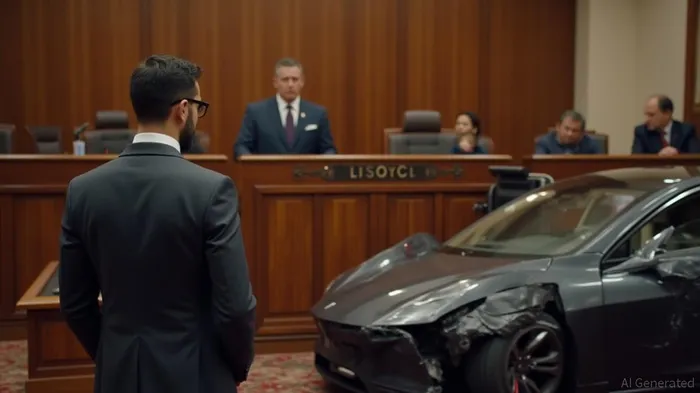
The lawsuit, filed by the victim's family, alleged that Tesla misrepresented the capabilities of its Autopilot system, leading to the fatal crash. The jury found Tesla 33% liable for the accident, with the remaining 67% attributed to the driver. This verdict marks the first trial verdict against Tesla, as previous lawsuits involving Autopilot-related crashes have typically been settled out of court [1].
The ruling has significant implications for Tesla's self-driving ambitions and broader autonomous vehicle sector. Legal experts believe this case could "open the floodgates" to further litigation, with emboldened plaintiffs pursuing claims rather than accepting out-of-court settlements [2]. The verdict also highlights the potential financial and operational consequences Tesla may face due to its certified class action lawsuit in California.
Tesla has a history of settling Autopilot-related lawsuits, but the recent Key Largo case suggests that the company may face increased scrutiny and potential legal challenges in the future [2]. Additionally, a shareholder lawsuit accused Elon Musk of inflating the company's stock by exaggerating the readiness of its robotaxi program, further complicating Tesla's efforts to turn around its business [3].
The legal and regulatory challenges facing Tesla are not isolated incidents. The company faces similar proceedings globally, including fines for deceptive advertising in France and a class-action coalition over "phantom braking" incidents in Australia [2]. These cases focus on allegations that Tesla misled consumers about the nature and reliability of its self-driving technology, with some citing accidents and injuries caused while the system was engaged.
The recent verdict and ongoing legal challenges are significantly impacting Tesla's driverless car expansion plans. The company faces legal and reputational setbacks, shareholder concerns, and blurred lines of responsibility regarding liability for autonomous vehicle crashes. The $243 million verdict signals a paradigm shift that could set a legal precedent for manufacturer liability in autonomous technology-related collisions.
References:
[1] https://www.globenewswire.com/news-release/2025/08/12/3132080/9788/en/TSLA-INVESTOR-ALERT-Bronstein-Gewirtz-Grossman-LLC-Announces-that-Tesla-Investors-with-Substantial-Losses-Have-Opportunity-to-Lead-Class-Action-Lawsuit.html
[2] https://lasvegassun.com/news/2025/aug/21/tesla-autopilot-legal-issues-add-to-challenges-for/
[3] https://www.latimes.com/business/story/2025-08-19/tesla-robotaxi-shareholder-lawsuit
Tesla has been ordered to pay $243 million in damages after a Miami jury found the company largely responsible for a fatal 2019 crash involving its Autopilot system. The verdict follows Tesla's rejection of a $60 million settlement offer. The legal and regulatory challenges surrounding autonomous driving technology have been highlighted by this case.
A Miami jury has ordered Tesla to pay $243 million in damages following a 2019 fatal crash involving the company's Autopilot system. The verdict, which comes after Tesla rejected a $60 million settlement offer, underscores the growing legal and regulatory scrutiny surrounding autonomous driving technology.The lawsuit, filed by the victim's family, alleged that Tesla misrepresented the capabilities of its Autopilot system, leading to the fatal crash. The jury found Tesla 33% liable for the accident, with the remaining 67% attributed to the driver. This verdict marks the first trial verdict against Tesla, as previous lawsuits involving Autopilot-related crashes have typically been settled out of court [1].
The ruling has significant implications for Tesla's self-driving ambitions and broader autonomous vehicle sector. Legal experts believe this case could "open the floodgates" to further litigation, with emboldened plaintiffs pursuing claims rather than accepting out-of-court settlements [2]. The verdict also highlights the potential financial and operational consequences Tesla may face due to its certified class action lawsuit in California.
Tesla has a history of settling Autopilot-related lawsuits, but the recent Key Largo case suggests that the company may face increased scrutiny and potential legal challenges in the future [2]. Additionally, a shareholder lawsuit accused Elon Musk of inflating the company's stock by exaggerating the readiness of its robotaxi program, further complicating Tesla's efforts to turn around its business [3].
The legal and regulatory challenges facing Tesla are not isolated incidents. The company faces similar proceedings globally, including fines for deceptive advertising in France and a class-action coalition over "phantom braking" incidents in Australia [2]. These cases focus on allegations that Tesla misled consumers about the nature and reliability of its self-driving technology, with some citing accidents and injuries caused while the system was engaged.
The recent verdict and ongoing legal challenges are significantly impacting Tesla's driverless car expansion plans. The company faces legal and reputational setbacks, shareholder concerns, and blurred lines of responsibility regarding liability for autonomous vehicle crashes. The $243 million verdict signals a paradigm shift that could set a legal precedent for manufacturer liability in autonomous technology-related collisions.
References:
[1] https://www.globenewswire.com/news-release/2025/08/12/3132080/9788/en/TSLA-INVESTOR-ALERT-Bronstein-Gewirtz-Grossman-LLC-Announces-that-Tesla-Investors-with-Substantial-Losses-Have-Opportunity-to-Lead-Class-Action-Lawsuit.html
[2] https://lasvegassun.com/news/2025/aug/21/tesla-autopilot-legal-issues-add-to-challenges-for/
[3] https://www.latimes.com/business/story/2025-08-19/tesla-robotaxi-shareholder-lawsuit
Stay ahead of the market.
Get curated U.S. market news, insights and key dates delivered to your inbox.
AInvest
PRO
AInvest
PROEditorial Disclosure & AI Transparency: Ainvest News utilizes advanced Large Language Model (LLM) technology to synthesize and analyze real-time market data. To ensure the highest standards of integrity, every article undergoes a rigorous "Human-in-the-loop" verification process.
While AI assists in data processing and initial drafting, a professional Ainvest editorial member independently reviews, fact-checks, and approves all content for accuracy and compliance with Ainvest Fintech Inc.’s editorial standards. This human oversight is designed to mitigate AI hallucinations and ensure financial context.
Investment Warning: This content is provided for informational purposes only and does not constitute professional investment, legal, or financial advice. Markets involve inherent risks. Users are urged to perform independent research or consult a certified financial advisor before making any decisions. Ainvest Fintech Inc. disclaims all liability for actions taken based on this information. Found an error?Report an Issue




Comments
No comments yet