
Tesla Ordered to Pay $2.43 Billion in Fatal Autopilot Accident Case
 Aime Summary
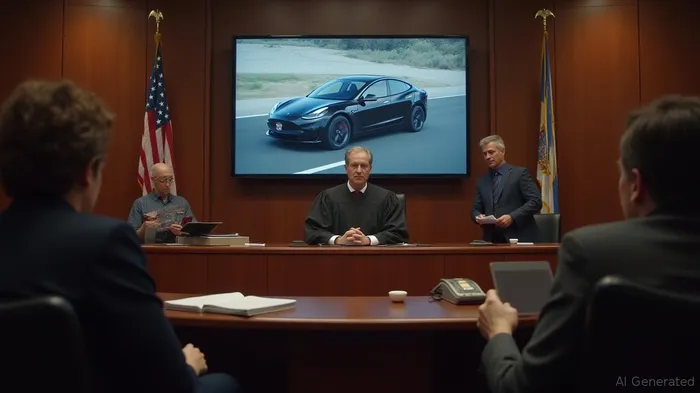
On August 1, a jury in Florida ruled that TeslaTSLA-- is partially responsible for a fatal car accident involving a Model S equipped with an autopilot system in 2019. The jury ordered the company to pay $2.43 billion in damages to the family of a deceased woman and an injured individual. The judgment includes $1.29 billion in compensatory damages, with Tesla bearing 33% of the responsibility, and $2 billion in punitive damages.
The accident occurred in Florida when the Model S, operating in autopilot mode, failed to detect and avoid an obstacle on the road, resulting in a collision that caused one fatality and one injury. The driver was distracted by a dropped phone and did not regain control of the vehicle in time to avoid the collision. The jury's decision highlights the ongoing debate surrounding the safety and reliability of autonomous driving systems.
Tesla's Chief Executive Officer, Elon Musk, responded to the verdict by stating that the company will appeal the decision. Musk expressed his disagreement with the jury's findings, asserting that the autopilot system was not the primary cause of the accident. He emphasized that Tesla's technology is designed to enhance safety and that the company will continue to invest in improving its autonomous driving capabilities.
The verdict against Tesla is significant not only for the company but also for the broader automotive industry. It underscores the legal and ethical challenges that companies face as they develop and deploy autonomous driving technologies. The outcome of Tesla's appeal and any subsequent legal actions will be closely watched by industry stakeholders and regulators alike.
The case also raises questions about the role of human oversight in autonomous driving. While the autopilot system is designed to operate independently, the jury's decision suggests that there may be a need for greater human intervention or oversight to ensure safety. This could have implications for the design and regulation of autonomous driving systems in the future.
In response to the verdict, Tesla has reiterated its commitment to safety and innovation. The company has stated that it will continue to work on improving its autopilot system and that it remains dedicated to developing technologies that enhance road safety. However, the legal battle is far from over, and the outcome of Tesla's appeal could have significant implications for the future of autonomous driving.

Stay ahead of the market.
Get curated U.S. market news, insights and key dates delivered to your inbox.




Comments
No comments yet