
Tesla to Offer DeepSeek and Doubao AI on Chinese Vehicles Amid Elon Musk's Row with OpenAI.
ByAinvest
Friday, Aug 22, 2025 6:39 am ET2min read
TSLA--
The integration of Doubao and DeepSeek into Tesla's voice assistant system is part of the company's strategy to strengthen its position in the competitive Chinese EV market. Local competitors, such as BYD Co. and Zhejiang Geely Holding Group Co., are already using these AI models to improve user interaction. Tesla's shipments from its Shanghai factory have fallen back into decline, reflecting a challenging market environment [1].
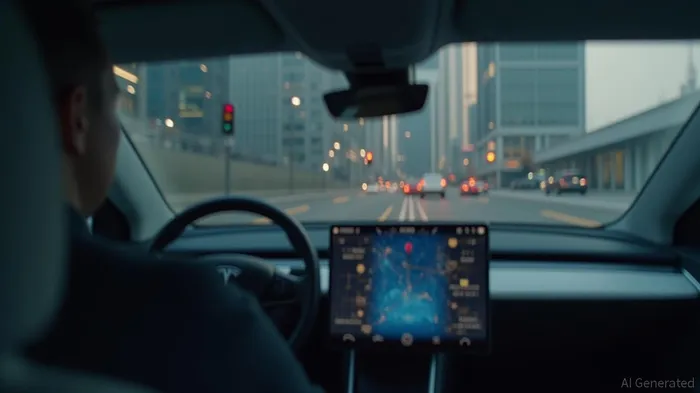
The technology will enable drivers to use voice commands to control various functions, including in-car entertainment and cabin temperature, as well as receive news updates. Those voice commands will be mostly processed by Doubao, while DeepSeek chat will handle the interaction. Both models are hosted by ByteDance's Volcano Engine cloud service [1].
Tesla's move to incorporate Chinese-developed AI models is a significant shift from its Grok-powered American models. The decision is a strategic response to the competitive market in China, where local companies already have established partnerships with these AI models. Tesla is facing intense competition from domestic brands that are backed by the Chinese government and offer advanced features [1].
In addition to the integration of Doubao and DeepSeek, Tesla is also under regulatory scrutiny. The NHTSA is investigating whether Tesla correctly reported crashes involving its Autopilot and FSD systems. The regulator alleged that Tesla submitted reports months after the incidents, sometimes in batches or on a rolling basis. The investigation aims to evaluate the cause of the potential delays in reporting and the mitigations Tesla has developed to address them [2].
Furthermore, Tesla faces a class action lawsuit filed by California owners accusing the company of misleading consumers about the capabilities of its FSD technology. The lawsuit, certified by a U.S. district court, centers on claims that Tesla overstated the functionality of its FSD package between 2016 and 2024. The plaintiffs argue that Tesla lacked necessary hardware for full autonomy and failed to demonstrate long-distance autonomous driving [3].
The integration of Doubao and DeepSeek into Tesla's vehicles in China and the ongoing regulatory scrutiny highlight the company's efforts to navigate a challenging market environment. As Tesla continues to face competition from local rivals and regulatory pressures, the success of these initiatives will be crucial in maintaining its market share and relevance in the Chinese market.
References:
[1] https://www.cryptopolitan.com/tesla-taps-deepseek-doubao-for-ai-assistant/
[2] https://www.businessinsider.com/nhtsa-probes-tesla-over-crash-data-reporting-involving-autopilot-fsd-2025-8
[3] https://www.ainvest.com/news/tesla-surges-trading-volume-25b-stock-falls-1-75-class-action-lawsuit-fsd-claims-2508/
Tesla is incorporating ByteDance's Doubao AI and ChatGPT rival DeepSeek into its vehicles in China, offering functions like voice commands and temperature controls. This move comes amid Elon Musk's row against OpenAI and follows the company's attempt to offer Grok, xAI's AI model, in the US. Tesla is also facing scrutiny over its FSD system, with the NHTSA investigating delays in reporting self-driving crashes and a class action lawsuit filed by customers in California.
Tesla is incorporating ByteDance's Doubao AI and DeepSeek into its vehicles in China, offering functions like voice commands and temperature controls. This move comes amid Elon Musk's ongoing row with OpenAI and follows Tesla's attempt to offer Grok, xAI's AI model, in the US. Tesla is also facing scrutiny over its Full Self-Driving (FSD) system, with the National Highway Traffic Safety Administration (NHTSA) investigating delays in reporting self-driving crashes and a class action lawsuit filed by customers in California.The integration of Doubao and DeepSeek into Tesla's voice assistant system is part of the company's strategy to strengthen its position in the competitive Chinese EV market. Local competitors, such as BYD Co. and Zhejiang Geely Holding Group Co., are already using these AI models to improve user interaction. Tesla's shipments from its Shanghai factory have fallen back into decline, reflecting a challenging market environment [1].
The technology will enable drivers to use voice commands to control various functions, including in-car entertainment and cabin temperature, as well as receive news updates. Those voice commands will be mostly processed by Doubao, while DeepSeek chat will handle the interaction. Both models are hosted by ByteDance's Volcano Engine cloud service [1].
Tesla's move to incorporate Chinese-developed AI models is a significant shift from its Grok-powered American models. The decision is a strategic response to the competitive market in China, where local companies already have established partnerships with these AI models. Tesla is facing intense competition from domestic brands that are backed by the Chinese government and offer advanced features [1].
In addition to the integration of Doubao and DeepSeek, Tesla is also under regulatory scrutiny. The NHTSA is investigating whether Tesla correctly reported crashes involving its Autopilot and FSD systems. The regulator alleged that Tesla submitted reports months after the incidents, sometimes in batches or on a rolling basis. The investigation aims to evaluate the cause of the potential delays in reporting and the mitigations Tesla has developed to address them [2].
Furthermore, Tesla faces a class action lawsuit filed by California owners accusing the company of misleading consumers about the capabilities of its FSD technology. The lawsuit, certified by a U.S. district court, centers on claims that Tesla overstated the functionality of its FSD package between 2016 and 2024. The plaintiffs argue that Tesla lacked necessary hardware for full autonomy and failed to demonstrate long-distance autonomous driving [3].
The integration of Doubao and DeepSeek into Tesla's vehicles in China and the ongoing regulatory scrutiny highlight the company's efforts to navigate a challenging market environment. As Tesla continues to face competition from local rivals and regulatory pressures, the success of these initiatives will be crucial in maintaining its market share and relevance in the Chinese market.
References:
[1] https://www.cryptopolitan.com/tesla-taps-deepseek-doubao-for-ai-assistant/
[2] https://www.businessinsider.com/nhtsa-probes-tesla-over-crash-data-reporting-involving-autopilot-fsd-2025-8
[3] https://www.ainvest.com/news/tesla-surges-trading-volume-25b-stock-falls-1-75-class-action-lawsuit-fsd-claims-2508/
Stay ahead of the market.
Get curated U.S. market news, insights and key dates delivered to your inbox.
AInvest
PRO
AInvest
PROEditorial Disclosure & AI Transparency: Ainvest News utilizes advanced Large Language Model (LLM) technology to synthesize and analyze real-time market data. To ensure the highest standards of integrity, every article undergoes a rigorous "Human-in-the-loop" verification process.
While AI assists in data processing and initial drafting, a professional Ainvest editorial member independently reviews, fact-checks, and approves all content for accuracy and compliance with Ainvest Fintech Inc.’s editorial standards. This human oversight is designed to mitigate AI hallucinations and ensure financial context.
Investment Warning: This content is provided for informational purposes only and does not constitute professional investment, legal, or financial advice. Markets involve inherent risks. Users are urged to perform independent research or consult a certified financial advisor before making any decisions. Ainvest Fintech Inc. disclaims all liability for actions taken based on this information. Found an error?Report an Issue


ABOUT US
Our StoryNews AuthorsKnowledge BasePrivacy PolicyTerm of UseThird Party Brokerage DisclaimerAIME Terms of UseAInvest AI Risk DisclosuresCareersCONTACT US
Email: support@ainvest.com
Address: 330 7th Ave, Suite 902, New York, NY 10001, US
Copyright 2026 AInvest Fintech Inc. All rights reserved.


Comments
No comments yet