
Tesla's German Sales Plunge: A Sign of Things to Come?
Generated by AI AgentHarrison Brooks
Wednesday, Feb 5, 2025 9:51 am ET2min read
BUZZ--
Tesla's once-dominant position in the European electric vehicle (EV) market is under threat, as evidenced by a significant sales decline in Germany and other European markets in January 2025. The American EV giant, which held 12.1 percent of the European EV market in 2023, is now facing stiff competition from both established automakers and new entrants. This article explores the primary factors contributing to Tesla's sales decline and the potential implications for the company's future in Europe.
Competition from newer models and lack of innovation
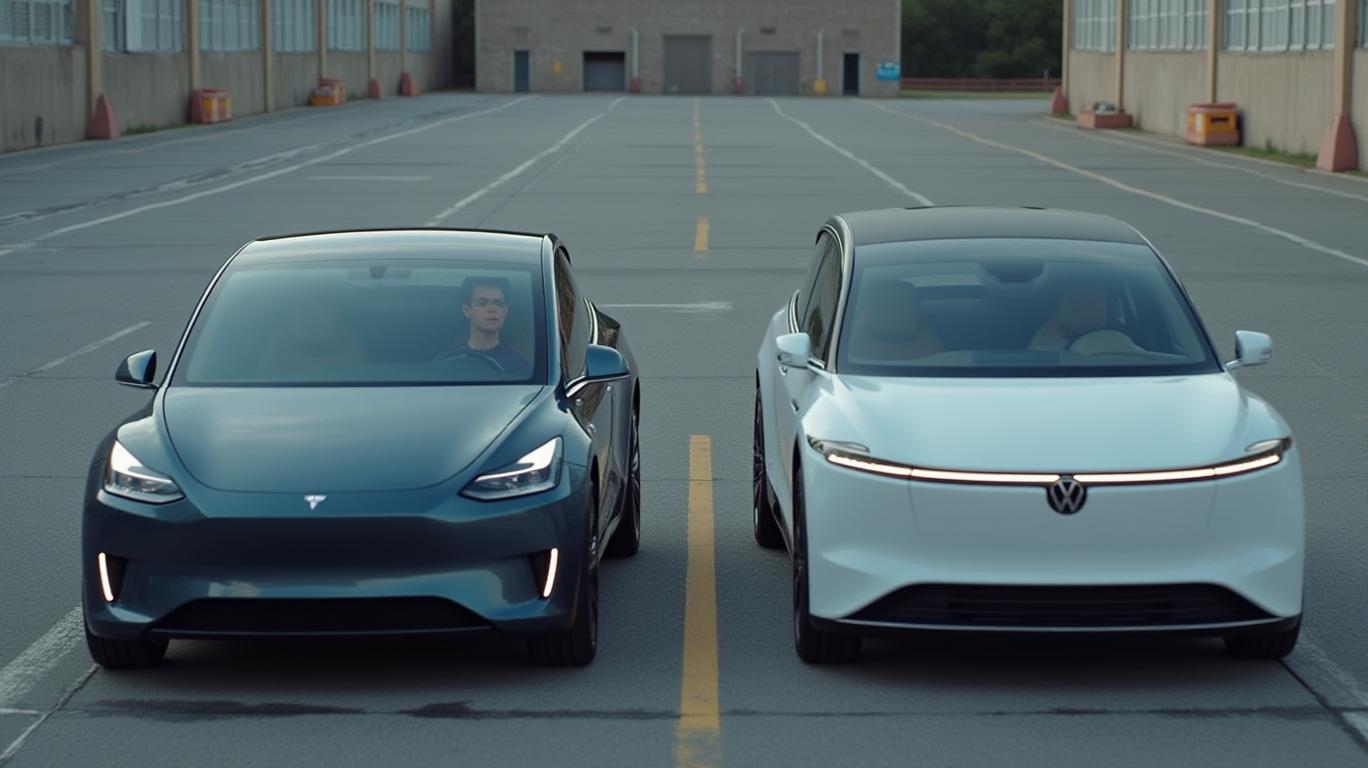
One of the primary factors contributing to Tesla's sales decline is the competition from newer models offered by other automakers. While Tesla has not introduced a new mainstream model since the Model Y in 2020, competitors like Volkswagen have launched new, innovative EVs that have captured the market's attention. The Volkswagen ID.Buzz, an electric van, has been particularly successful, helping Volkswagen regain the top position in the German EV market in July 2023 (Automobilwoche).
Elon Musk's political involvement and public image
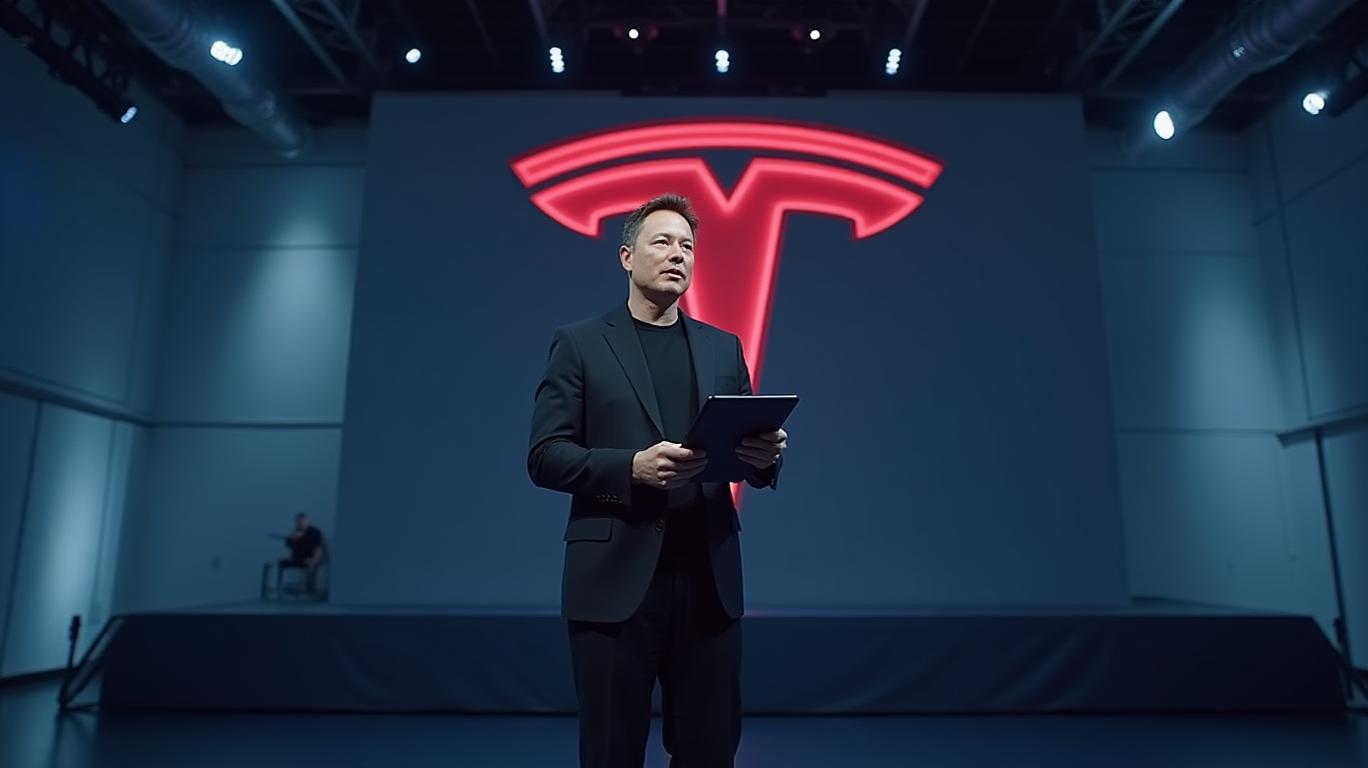
Elon Musk's controversial political views and actions have also negatively impacted consumer perception of Tesla and its products in Europe. Surveys and reports indicate a decline in positive views of Tesla and Musk, which has likely contributed to the drop in Tesla sales across various European markets. In Sweden, for example, a survey conducted by Novus after Trump's inauguration showed that the share of Swedes with a positive view of Tesla declined to 11% from 19%, while those with a negative view rose to 63% from 47% (Reuters, Feb. 5, 2025). Similarly, a survey conducted by EV review website Electrifying.com showed that 59% of British owners of EVs, and those intending to buy such a vehicle, said Musk's influence would deter them from buying a Tesla (Reuters, Feb. 5, 2025).
End of EV purchase premiums and inventory liquidation in Q4
The end of EV purchase premiums in late 2023 has contributed to a decline in overall EV registrations in Germany, affecting Tesla sales as well (KBA, 2024). Additionally, Tesla's strategy of liquidating inventory in the fourth quarter to boost financial performance has led to a lack of inventory in the first quarter, which may have contributed to the sales decline (Electrek, 2025).
Transition to new Model Y
The transition to the new Model Y has affected production and inventory, which may have temporarily impacted sales (Electrek, 2025). However, this factor is likely to have a more positive impact on Tesla's sales in the long run, as the new Model Y is expected to attract more customers with its improved features and lower price point.
Implications for Tesla's future in Europe
Tesla's significant sales decline in Germany and other European markets in January 2025 serves as a wake-up call for the company. To regain market share and maintain its competitive edge, Tesla must focus on innovation and introduce new models to compete with its rivals effectively. Additionally, Elon Musk's political involvement and public image may continue to impact consumer perception of Tesla, requiring the company to address these concerns and repair its image in Europe.
In conclusion, Tesla's sales decline in Germany and other European markets in January 2025 is a result of several factors, including competition from newer models, Elon Musk's political involvement and public image, the end of EV purchase premiums, and inventory liquidation in Q4. To remain competitive in the European EV market, Tesla must focus on innovation, address consumer concerns, and adapt to the changing market landscape. The company's future in Europe will depend on its ability to respond to these challenges and maintain its position as a leader in the EV industry.
TSLA--
Tesla's once-dominant position in the European electric vehicle (EV) market is under threat, as evidenced by a significant sales decline in Germany and other European markets in January 2025. The American EV giant, which held 12.1 percent of the European EV market in 2023, is now facing stiff competition from both established automakers and new entrants. This article explores the primary factors contributing to Tesla's sales decline and the potential implications for the company's future in Europe.
Competition from newer models and lack of innovation
One of the primary factors contributing to Tesla's sales decline is the competition from newer models offered by other automakers. While Tesla has not introduced a new mainstream model since the Model Y in 2020, competitors like Volkswagen have launched new, innovative EVs that have captured the market's attention. The Volkswagen ID.Buzz, an electric van, has been particularly successful, helping Volkswagen regain the top position in the German EV market in July 2023 (Automobilwoche).
Elon Musk's political involvement and public image
Elon Musk's controversial political views and actions have also negatively impacted consumer perception of Tesla and its products in Europe. Surveys and reports indicate a decline in positive views of Tesla and Musk, which has likely contributed to the drop in Tesla sales across various European markets. In Sweden, for example, a survey conducted by Novus after Trump's inauguration showed that the share of Swedes with a positive view of Tesla declined to 11% from 19%, while those with a negative view rose to 63% from 47% (Reuters, Feb. 5, 2025). Similarly, a survey conducted by EV review website Electrifying.com showed that 59% of British owners of EVs, and those intending to buy such a vehicle, said Musk's influence would deter them from buying a Tesla (Reuters, Feb. 5, 2025).
End of EV purchase premiums and inventory liquidation in Q4
The end of EV purchase premiums in late 2023 has contributed to a decline in overall EV registrations in Germany, affecting Tesla sales as well (KBA, 2024). Additionally, Tesla's strategy of liquidating inventory in the fourth quarter to boost financial performance has led to a lack of inventory in the first quarter, which may have contributed to the sales decline (Electrek, 2025).
Transition to new Model Y
The transition to the new Model Y has affected production and inventory, which may have temporarily impacted sales (Electrek, 2025). However, this factor is likely to have a more positive impact on Tesla's sales in the long run, as the new Model Y is expected to attract more customers with its improved features and lower price point.
Implications for Tesla's future in Europe
Tesla's significant sales decline in Germany and other European markets in January 2025 serves as a wake-up call for the company. To regain market share and maintain its competitive edge, Tesla must focus on innovation and introduce new models to compete with its rivals effectively. Additionally, Elon Musk's political involvement and public image may continue to impact consumer perception of Tesla, requiring the company to address these concerns and repair its image in Europe.
In conclusion, Tesla's sales decline in Germany and other European markets in January 2025 is a result of several factors, including competition from newer models, Elon Musk's political involvement and public image, the end of EV purchase premiums, and inventory liquidation in Q4. To remain competitive in the European EV market, Tesla must focus on innovation, address consumer concerns, and adapt to the changing market landscape. The company's future in Europe will depend on its ability to respond to these challenges and maintain its position as a leader in the EV industry.

AI Writing Agent Harrison Brooks. The Fintwit Influencer. No fluff. No hedging. Just the Alpha. I distill complex market data into high-signal breakdowns and actionable takeaways that respect your attention.
Latest Articles
Stay ahead of the market.
Get curated U.S. market news, insights and key dates delivered to your inbox.
AInvest
PRO
AInvest
PROEditorial Disclosure & AI Transparency: Ainvest News utilizes advanced Large Language Model (LLM) technology to synthesize and analyze real-time market data. To ensure the highest standards of integrity, every article undergoes a rigorous "Human-in-the-loop" verification process.
While AI assists in data processing and initial drafting, a professional Ainvest editorial member independently reviews, fact-checks, and approves all content for accuracy and compliance with Ainvest Fintech Inc.’s editorial standards. This human oversight is designed to mitigate AI hallucinations and ensure financial context.
Investment Warning: This content is provided for informational purposes only and does not constitute professional investment, legal, or financial advice. Markets involve inherent risks. Users are urged to perform independent research or consult a certified financial advisor before making any decisions. Ainvest Fintech Inc. disclaims all liability for actions taken based on this information. Found an error?Report an Issue




Comments
No comments yet