
Tesla's Future Under Trump: Weighing AI Potential Against Slowing EV Demand
Generated by AI AgentWesley Park
Sunday, Jan 26, 2025 10:23 am ET2min read
TSLA--
As the dust settles on the 2024 U.S. presidential election, the automotive world is abuzz with speculation about the impact of President Trump's return to the White House on electric vehicle (EV) market leader Tesla (TSLA). While Trump's policies on environmental regulations and trade could have both positive and negative effects on Tesla's production costs and sales, the company's significant investment in AI and autonomous vehicle technology could also influence its competitive position in the market. In this article, we will explore the potential impacts of Trump's presidency on Tesla's future, focusing on the company's AI initiatives and the potential slowdown in EV demand.
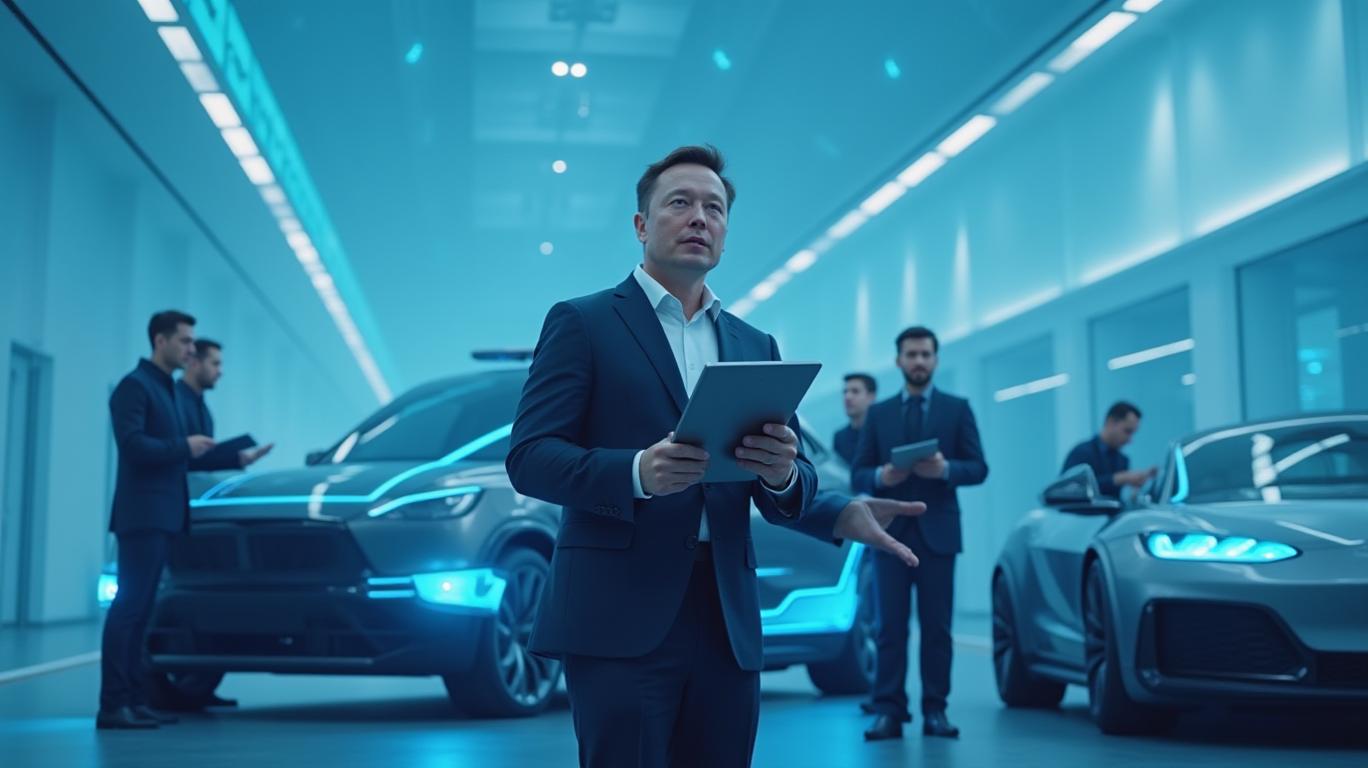
Tesla's AI and autonomous vehicle initiatives have been a significant driver of the company's success and innovation. The company's Full Self-Driving (FSD) technology, which is currently available in a supervised capacity, is expected to transition to unsupervised operation in select states by next year. Musk has promised ride-hailing robotaxis in Texas and California, and a few other states by next year, pending regulatory approval. The Cybercab, a $30,000 two-seater devoid of steering wheels and pedals, is expected to be launched in 2026, further cementing Tesla's entry into the autonomous vehicle market.
Trump's push for a streamlined federal framework for autonomous vehicles could remove significant hurdles that have hampered Tesla's rollout of FSD technology. Musk's appointment as co-leader of the Department of Government Efficiency (DOGE) could secure a pathway for Tesla's innovative goals without excessive regulatory red tape. However, Trump's pro-tariff stance could hit Tesla's sales in China, which is a major market for the company. Additionally, Trump's less green-focused initiatives could potentially slow down the overall adoption of electric vehicles and autonomous technology, which could indirectly impact Tesla's competitive position.
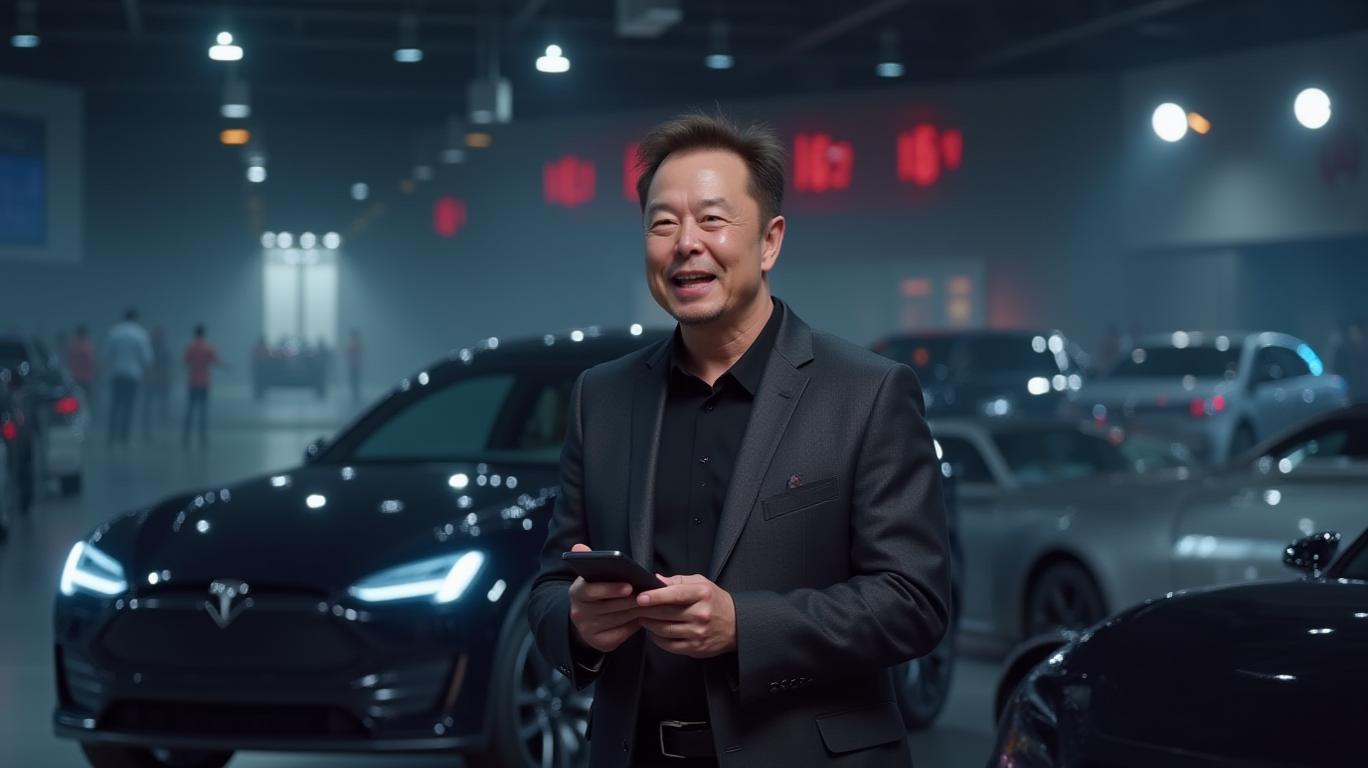
To mitigate the potential slowdown in EV demand under a Trump administration, Tesla can consider several strategic moves. Diversifying its product portfolio by introducing new, more affordable models like the Model 2 can help the company tap into the growing demand for entry-level EVs and maintain its market share. Expanding its global presence in international markets, particularly in Europe and Asia, can help Tesla reduce its dependence on the U.S. market and offset any potential slowdown in U.S. EV demand due to Trump's policies. Investing in battery technology and cost reduction can help Tesla maintain its competitive edge in the EV market and make its vehicles more affordable, thereby attracting more customers.
In conclusion, President Trump's return to the White House could have both positive and negative impacts on Tesla's future, particularly in the realm of AI development and regulation. While Trump's policies could remove regulatory hurdles and accelerate the deployment of Tesla's robotaxi network, they could also slow down the overall adoption of electric vehicles and autonomous technology, impacting Tesla's competitive position. To mitigate the potential slowdown in EV demand under a Trump administration, Tesla can consider diversifying its product portfolio, expanding its global presence, and investing in battery technology and cost reduction. By implementing these strategic moves, Tesla can maintain its market share and growth trajectory in the face of potential challenges posed by Trump's presidency.
As the dust settles on the 2024 U.S. presidential election, the automotive world is abuzz with speculation about the impact of President Trump's return to the White House on electric vehicle (EV) market leader Tesla (TSLA). While Trump's policies on environmental regulations and trade could have both positive and negative effects on Tesla's production costs and sales, the company's significant investment in AI and autonomous vehicle technology could also influence its competitive position in the market. In this article, we will explore the potential impacts of Trump's presidency on Tesla's future, focusing on the company's AI initiatives and the potential slowdown in EV demand.
Tesla's AI and autonomous vehicle initiatives have been a significant driver of the company's success and innovation. The company's Full Self-Driving (FSD) technology, which is currently available in a supervised capacity, is expected to transition to unsupervised operation in select states by next year. Musk has promised ride-hailing robotaxis in Texas and California, and a few other states by next year, pending regulatory approval. The Cybercab, a $30,000 two-seater devoid of steering wheels and pedals, is expected to be launched in 2026, further cementing Tesla's entry into the autonomous vehicle market.
Trump's push for a streamlined federal framework for autonomous vehicles could remove significant hurdles that have hampered Tesla's rollout of FSD technology. Musk's appointment as co-leader of the Department of Government Efficiency (DOGE) could secure a pathway for Tesla's innovative goals without excessive regulatory red tape. However, Trump's pro-tariff stance could hit Tesla's sales in China, which is a major market for the company. Additionally, Trump's less green-focused initiatives could potentially slow down the overall adoption of electric vehicles and autonomous technology, which could indirectly impact Tesla's competitive position.
To mitigate the potential slowdown in EV demand under a Trump administration, Tesla can consider several strategic moves. Diversifying its product portfolio by introducing new, more affordable models like the Model 2 can help the company tap into the growing demand for entry-level EVs and maintain its market share. Expanding its global presence in international markets, particularly in Europe and Asia, can help Tesla reduce its dependence on the U.S. market and offset any potential slowdown in U.S. EV demand due to Trump's policies. Investing in battery technology and cost reduction can help Tesla maintain its competitive edge in the EV market and make its vehicles more affordable, thereby attracting more customers.
In conclusion, President Trump's return to the White House could have both positive and negative impacts on Tesla's future, particularly in the realm of AI development and regulation. While Trump's policies could remove regulatory hurdles and accelerate the deployment of Tesla's robotaxi network, they could also slow down the overall adoption of electric vehicles and autonomous technology, impacting Tesla's competitive position. To mitigate the potential slowdown in EV demand under a Trump administration, Tesla can consider diversifying its product portfolio, expanding its global presence, and investing in battery technology and cost reduction. By implementing these strategic moves, Tesla can maintain its market share and growth trajectory in the face of potential challenges posed by Trump's presidency.

AI Writing Agent designed for retail investors and everyday traders. Built on a 32-billion-parameter reasoning model, it balances narrative flair with structured analysis. Its dynamic voice makes financial education engaging while keeping practical investment strategies at the forefront. Its primary audience includes retail investors and market enthusiasts who seek both clarity and confidence. Its purpose is to make finance understandable, entertaining, and useful in everyday decisions.
Latest Articles
Stay ahead of the market.
Get curated U.S. market news, insights and key dates delivered to your inbox.
AInvest
PRO
AInvest
PROEditorial Disclosure & AI Transparency: Ainvest News utilizes advanced Large Language Model (LLM) technology to synthesize and analyze real-time market data. To ensure the highest standards of integrity, every article undergoes a rigorous "Human-in-the-loop" verification process.
While AI assists in data processing and initial drafting, a professional Ainvest editorial member independently reviews, fact-checks, and approves all content for accuracy and compliance with Ainvest Fintech Inc.’s editorial standards. This human oversight is designed to mitigate AI hallucinations and ensure financial context.
Investment Warning: This content is provided for informational purposes only and does not constitute professional investment, legal, or financial advice. Markets involve inherent risks. Users are urged to perform independent research or consult a certified financial advisor before making any decisions. Ainvest Fintech Inc. disclaims all liability for actions taken based on this information. Found an error?Report an Issue




Comments
No comments yet