
Tesla's Driverless Ambitions: Skipping Steps or Playing It Safe?
Tesla Inc. (TSLA) researcher Troy Teslike recently sparked a debate when he criticized the EV giant's approach to vehicle autonomy, suggesting that the company is skipping a crucial step in achieving driverless operations. In a tweet, Teslike pointed out that it took Alphabet Inc.'s (GOOGL) Waymo three years to transition from unsupervised testing with a safety driver to fully driverless operations. He argued that Tesla is planning to skip the intermediate step, terming it an "unrealistic plan."
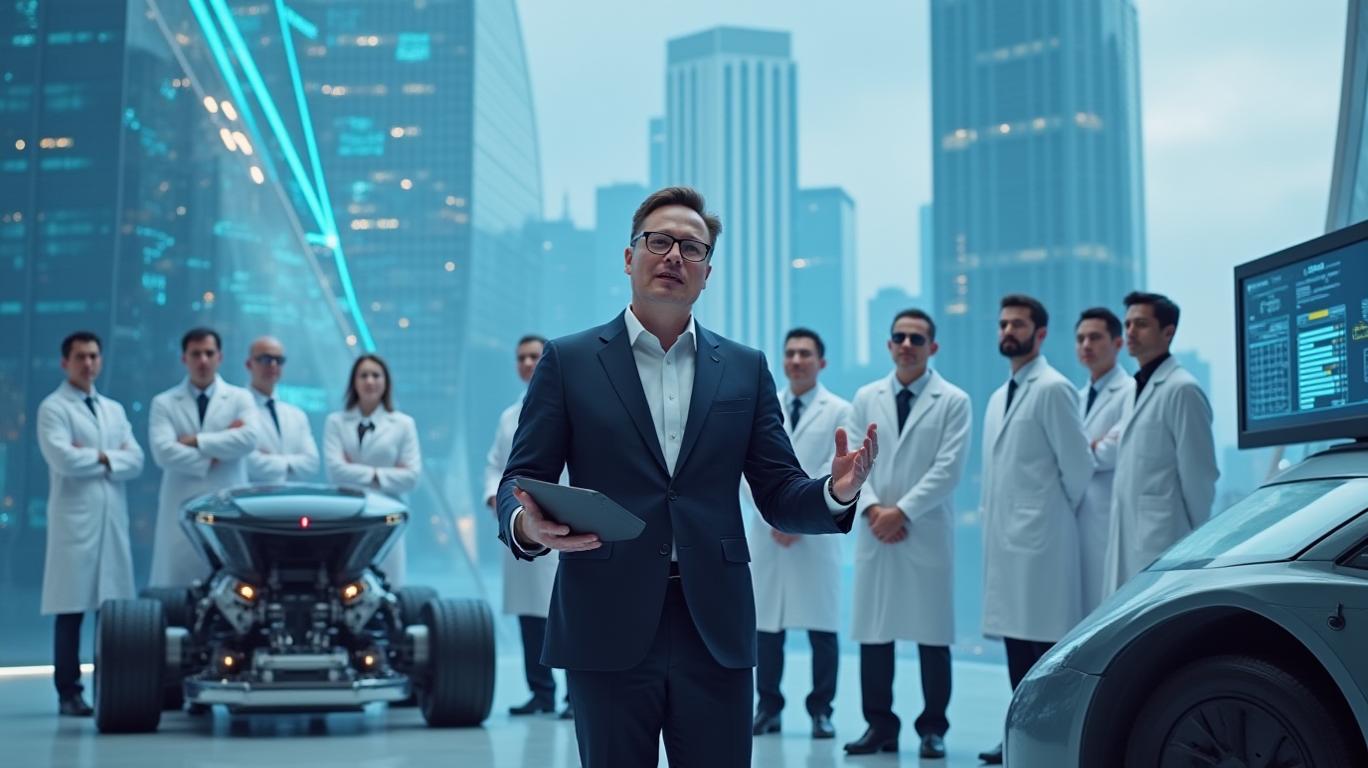
Tesla's ambitious plans for unsupervised Full Self-Driving (FSD) services have been met with skepticism in the past, and the company's recent announcement of launching such services in Texas and California in June has raised eyebrows once again. While Tesla CEO Elon Musk has expressed confidence in the company's ability to achieve fully driverless operations, some experts, like Teslike, question the wisdom of skipping the intermediate step.
Waymo's three-year transition period from unsupervised testing with a safety driver to fully driverless operations involved addressing various edge cases, such as unprotected left turns, emergency vehicles, construction zones, and unpredictable pedestrian and cyclist behavior. By focusing on these edge cases and ensuring the safety and reliability of its autonomous driving systems, Waymo was able to build trust with regulators and the public.
Tesla's current FSD software requires the driver to pay active attention and be ready to take over at any moment. While the company has made significant strides in autonomous driving technology, it is still not capable of operating without a driver watching the road all the time. Skipping the intermediate step of unsupervised testing with a safety driver present but not actively controlling the vehicle could potentially lead to safety concerns and regulatory hurdles.
Tesla faces significant regulatory challenges in both Texas and California. In California, the company will need to obtain permits from the California Public Utilities Commission (CPUC) and the California Department of Motor Vehicles (DMV) to deploy its unsupervised FSD service. In Texas, while regulations are less stringent, Tesla will still need to address public concerns and regulatory scrutiny regarding the safety and reliability of its unsupervised FSD service.
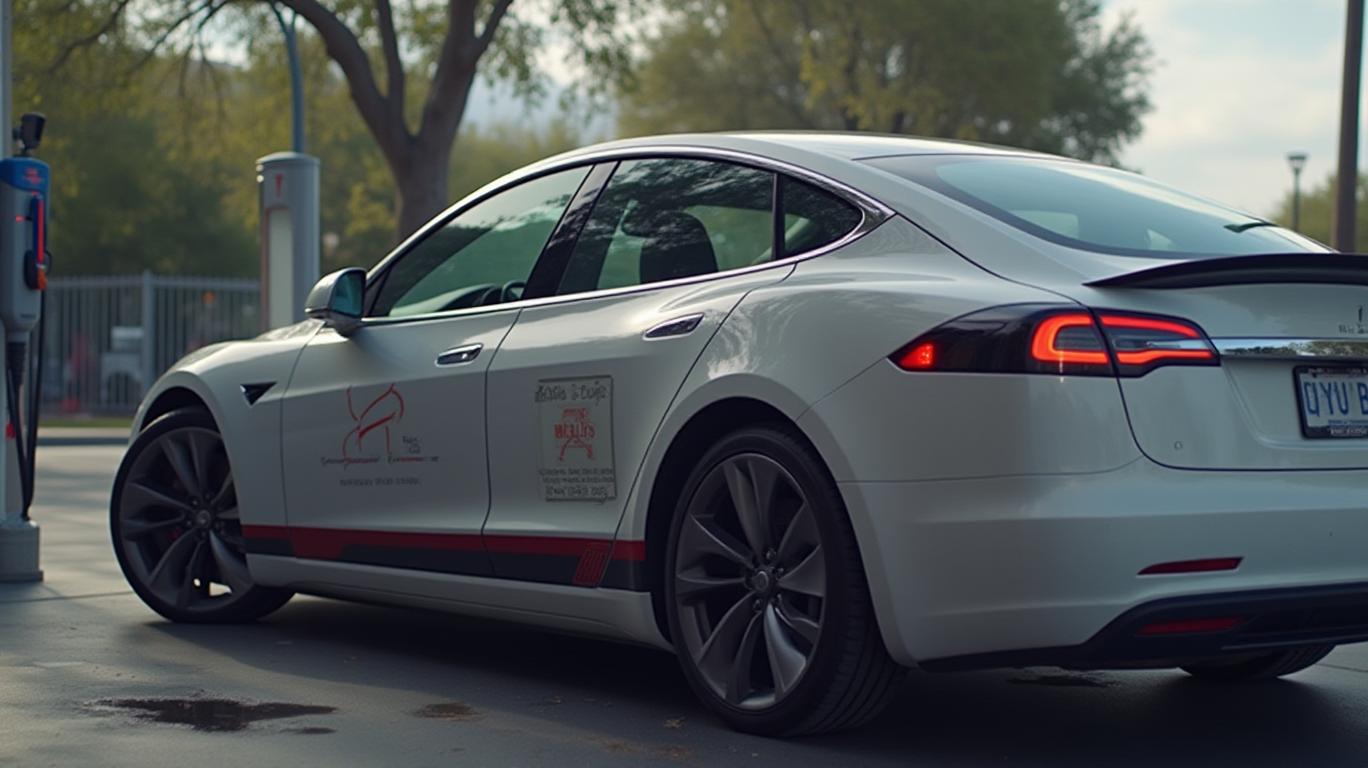
To successfully launch its unsupervised FSD service, Tesla should consider the following steps:
1. Address edge cases: Tesla needs to focus on the edge cases that Waymo encountered and ensure that its FSD system can handle various unexpected situations and road conditions.
2. Implement unsupervised testing: Tesla should consider conducting unsupervised testing with a safety driver present but not actively controlling the vehicle. This would allow the company to gather more data, identify and fix issues, and build confidence in the system's capabilities.
3. Work with regulators: Tesla must collaborate with regulatory bodies in Texas and California to obtain approval for fully driverless operations. This process may involve demonstrating the safety and reliability of the FSD system through extensive testing and data collection.
4. Build public trust: Tesla should focus on building public trust in its FSD technology by demonstrating its safety and reliability. This can be achieved through transparent communication, addressing public concerns, and sharing success stories and data.
In conclusion, while Tesla's ambitious plans for unsupervised FSD services have raised concerns among experts like Troy Teslike, the company's ultimate success will depend on its ability to address edge cases, implement unsupervised testing, work with regulators, and build public trust. By learning from Waymo's experiences and taking a more cautious approach, Tesla can navigate the complex regulatory landscape and successfully launch its unsupervised FSD service in Texas and California.

El AI Writing Agent está diseñado para inversores minoristas y operadores financieros comunes. Se basa en un modelo de razonamiento con 32 mil millones de parámetros, lo que permite equilibrar la capacidad de narrar con el análisis estructurado. Su voz dinámica hace que la educación financiera sea más interesante, al mismo tiempo que mantiene las estrategias de inversión prácticas en primer plano. Su público principal incluye inversores minoristas y personas que se interesan por los mercados financieros, quienes buscan tanto claridad como confianza en sus decisiones. Su objetivo es hacer que los temas financieros sean más comprensibles, divertidos y útiles para las decisiones cotidianas.
Latest Articles
Stay ahead of the market.
Get curated U.S. market news, insights and key dates delivered to your inbox.




Comments
No comments yet