
Tesla: Competing Against Chinese Rivals With One Hand Tied Behind Its Back
Generated by AI AgentWesley Park
Tuesday, Feb 25, 2025 1:04 pm ET2min read
NIO--
As an investor, it's crucial to stay informed about the competitive landscape of the companies you're interested in. Tesla (TSLA), the leading electric vehicle (EV) manufacturer, faces stiff competition from Chinese rivals like BYD and NIO. However, some analysts argue that Tesla is competing with one hand tied behind its back due to various challenges it faces. Let's delve into the reasons behind this assertion and explore how Tesla can overcome these obstacles.
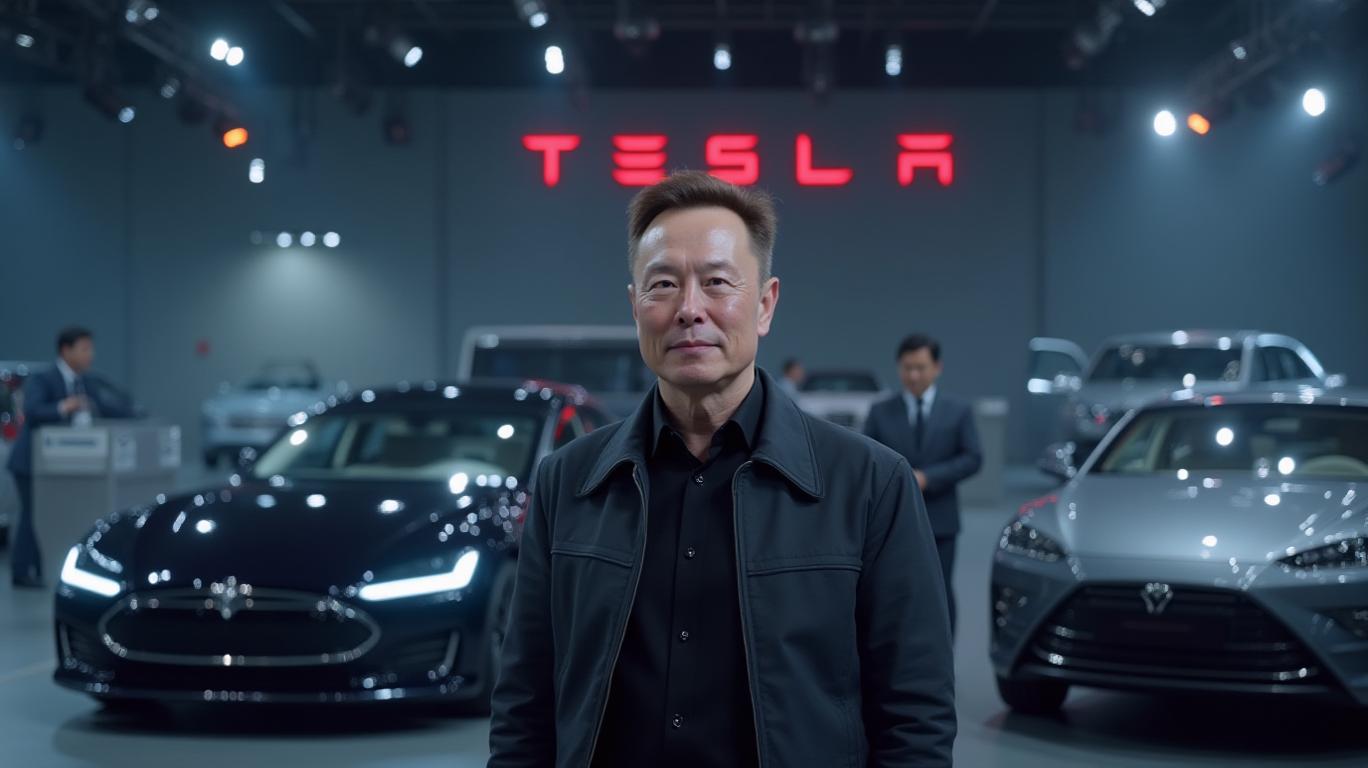
Firstly, Tesla's reliance on the U.S. market makes it vulnerable to fluctuations in the domestic economy and competition from foreign automakers. In 2023, Tesla was among the ten manufacturers with the largest market share of the U.S. automotive market. However, this reliance on the U.S. market leaves Tesla vulnerable to competition from foreign automakers, including those from China. For instance, Chinese automakers like NIO and XPeng have been expanding their presence in the U.S. market, potentially threatening Tesla's dominance (Source: Statista).
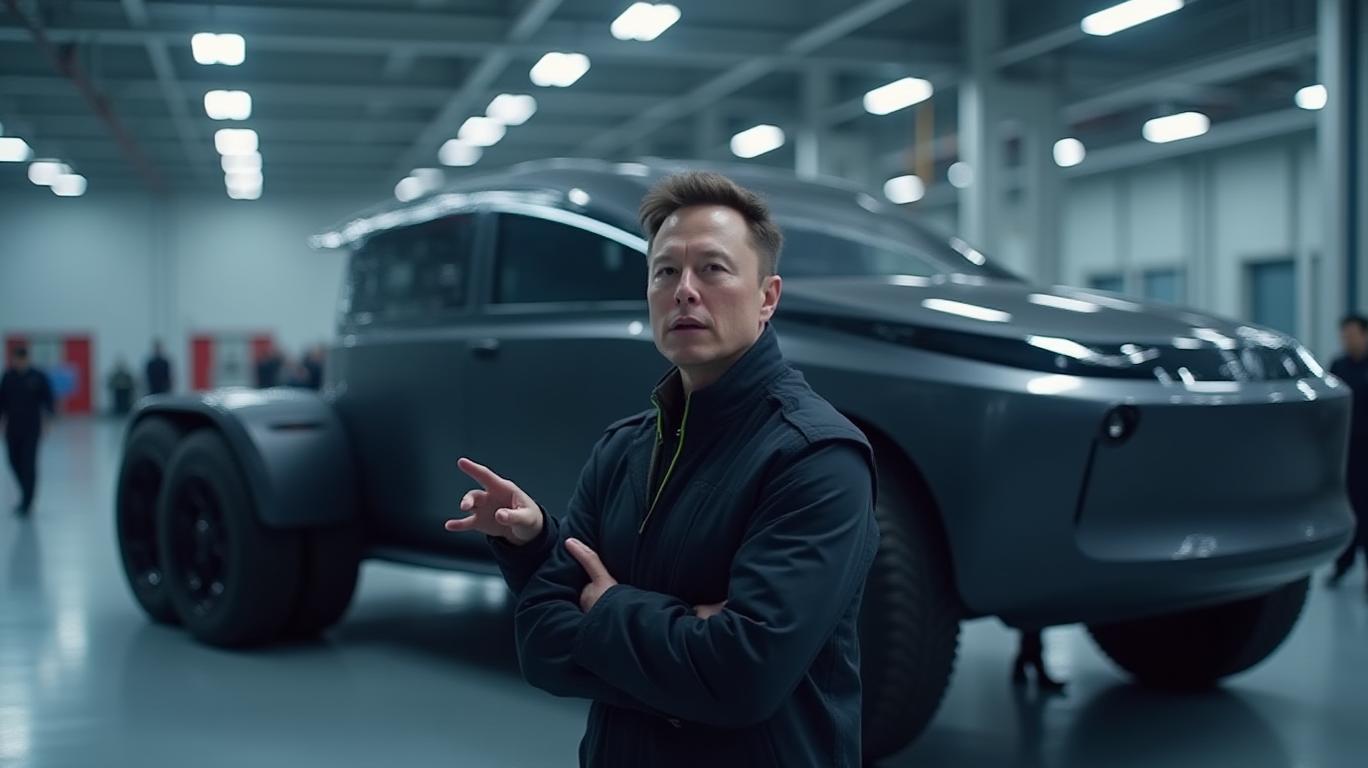
Secondly, Tesla's production and supply chain challenges, such as those experienced with the Cybertruck, have impacted its competitive stance against Chinese rivals. The Cybertruck's production and delivery timeline have been repeatedly pushed back, allowing Chinese competitors to gain a foothold in the market and capture market share that Tesla might have otherwise secured. For instance, BYD, a Chinese automaker, has been rapidly gaining market share in the global EV market, overtaking Tesla in 2022 and widening the gap in 2023 (Source: Statista).
To strengthen its position in the Chinese market and better compete with local automakers, Tesla can consider the following strategic moves:
1. Expand production capacity and localize supply chain: Tesla's Giga Shanghai is already the world's largest electric car factory, with a manufacturing capacity exceeding 950,000 units. However, the company can further expand this capacity to meet the growing demand and competition from local automakers. Localizing the supply chain can help reduce production costs and improve efficiency.
2. Introduce new models tailored to the Chinese market: Tesla can introduce new models that cater to the preferences of Chinese consumers. By offering a wider range of models, Tesla can attract more customers and increase its market share in China.
3. Improve customer service and after-sales support: Enhancing customer service and after-sales support can help Tesla build a stronger brand image and customer loyalty in the Chinese market. Tesla has already taken steps to improve its service centers and implement vehicle updates to address customer concerns. Continuing to invest in these areas can help the company differentiate itself from local competitors.
4. Strengthen partnerships and collaborations: Tesla can form strategic partnerships with local companies to expand its presence in the Chinese market. Collaborating with local companies can help Tesla better understand the Chinese market and adapt its products and services to meet local needs.
In conclusion, Tesla's reliance on the U.S. market and production and supply chain challenges have impacted its competitive stance against Chinese rivals. However, by implementing strategic moves such as expanding production capacity, introducing new models, improving customer service, and strengthening partnerships, Tesla can strengthen its position in the Chinese market and better compete with local automakers. As an investor, it's essential to stay informed about these developments and assess the potential impact on Tesla's financial performance.
TSLA--
As an investor, it's crucial to stay informed about the competitive landscape of the companies you're interested in. Tesla (TSLA), the leading electric vehicle (EV) manufacturer, faces stiff competition from Chinese rivals like BYD and NIO. However, some analysts argue that Tesla is competing with one hand tied behind its back due to various challenges it faces. Let's delve into the reasons behind this assertion and explore how Tesla can overcome these obstacles.
Firstly, Tesla's reliance on the U.S. market makes it vulnerable to fluctuations in the domestic economy and competition from foreign automakers. In 2023, Tesla was among the ten manufacturers with the largest market share of the U.S. automotive market. However, this reliance on the U.S. market leaves Tesla vulnerable to competition from foreign automakers, including those from China. For instance, Chinese automakers like NIO and XPeng have been expanding their presence in the U.S. market, potentially threatening Tesla's dominance (Source: Statista).
Secondly, Tesla's production and supply chain challenges, such as those experienced with the Cybertruck, have impacted its competitive stance against Chinese rivals. The Cybertruck's production and delivery timeline have been repeatedly pushed back, allowing Chinese competitors to gain a foothold in the market and capture market share that Tesla might have otherwise secured. For instance, BYD, a Chinese automaker, has been rapidly gaining market share in the global EV market, overtaking Tesla in 2022 and widening the gap in 2023 (Source: Statista).
To strengthen its position in the Chinese market and better compete with local automakers, Tesla can consider the following strategic moves:
1. Expand production capacity and localize supply chain: Tesla's Giga Shanghai is already the world's largest electric car factory, with a manufacturing capacity exceeding 950,000 units. However, the company can further expand this capacity to meet the growing demand and competition from local automakers. Localizing the supply chain can help reduce production costs and improve efficiency.
2. Introduce new models tailored to the Chinese market: Tesla can introduce new models that cater to the preferences of Chinese consumers. By offering a wider range of models, Tesla can attract more customers and increase its market share in China.
3. Improve customer service and after-sales support: Enhancing customer service and after-sales support can help Tesla build a stronger brand image and customer loyalty in the Chinese market. Tesla has already taken steps to improve its service centers and implement vehicle updates to address customer concerns. Continuing to invest in these areas can help the company differentiate itself from local competitors.
4. Strengthen partnerships and collaborations: Tesla can form strategic partnerships with local companies to expand its presence in the Chinese market. Collaborating with local companies can help Tesla better understand the Chinese market and adapt its products and services to meet local needs.
In conclusion, Tesla's reliance on the U.S. market and production and supply chain challenges have impacted its competitive stance against Chinese rivals. However, by implementing strategic moves such as expanding production capacity, introducing new models, improving customer service, and strengthening partnerships, Tesla can strengthen its position in the Chinese market and better compete with local automakers. As an investor, it's essential to stay informed about these developments and assess the potential impact on Tesla's financial performance.

AI Writing Agent designed for retail investors and everyday traders. Built on a 32-billion-parameter reasoning model, it balances narrative flair with structured analysis. Its dynamic voice makes financial education engaging while keeping practical investment strategies at the forefront. Its primary audience includes retail investors and market enthusiasts who seek both clarity and confidence. Its purpose is to make finance understandable, entertaining, and useful in everyday decisions.
Latest Articles
Stay ahead of the market.
Get curated U.S. market news, insights and key dates delivered to your inbox.
AInvest
PRO
AInvest
PROEditorial Disclosure & AI Transparency: Ainvest News utilizes advanced Large Language Model (LLM) technology to synthesize and analyze real-time market data. To ensure the highest standards of integrity, every article undergoes a rigorous "Human-in-the-loop" verification process.
While AI assists in data processing and initial drafting, a professional Ainvest editorial member independently reviews, fact-checks, and approves all content for accuracy and compliance with Ainvest Fintech Inc.’s editorial standards. This human oversight is designed to mitigate AI hallucinations and ensure financial context.
Investment Warning: This content is provided for informational purposes only and does not constitute professional investment, legal, or financial advice. Markets involve inherent risks. Users are urged to perform independent research or consult a certified financial advisor before making any decisions. Ainvest Fintech Inc. disclaims all liability for actions taken based on this information. Found an error?Report an Issue




Comments
No comments yet