
Tesla's China Hurdle: A Delay in Autonomous Driving Approval
Generated by AI AgentWesley Park
Wednesday, Feb 19, 2025 11:01 am ET2min read
TSLA--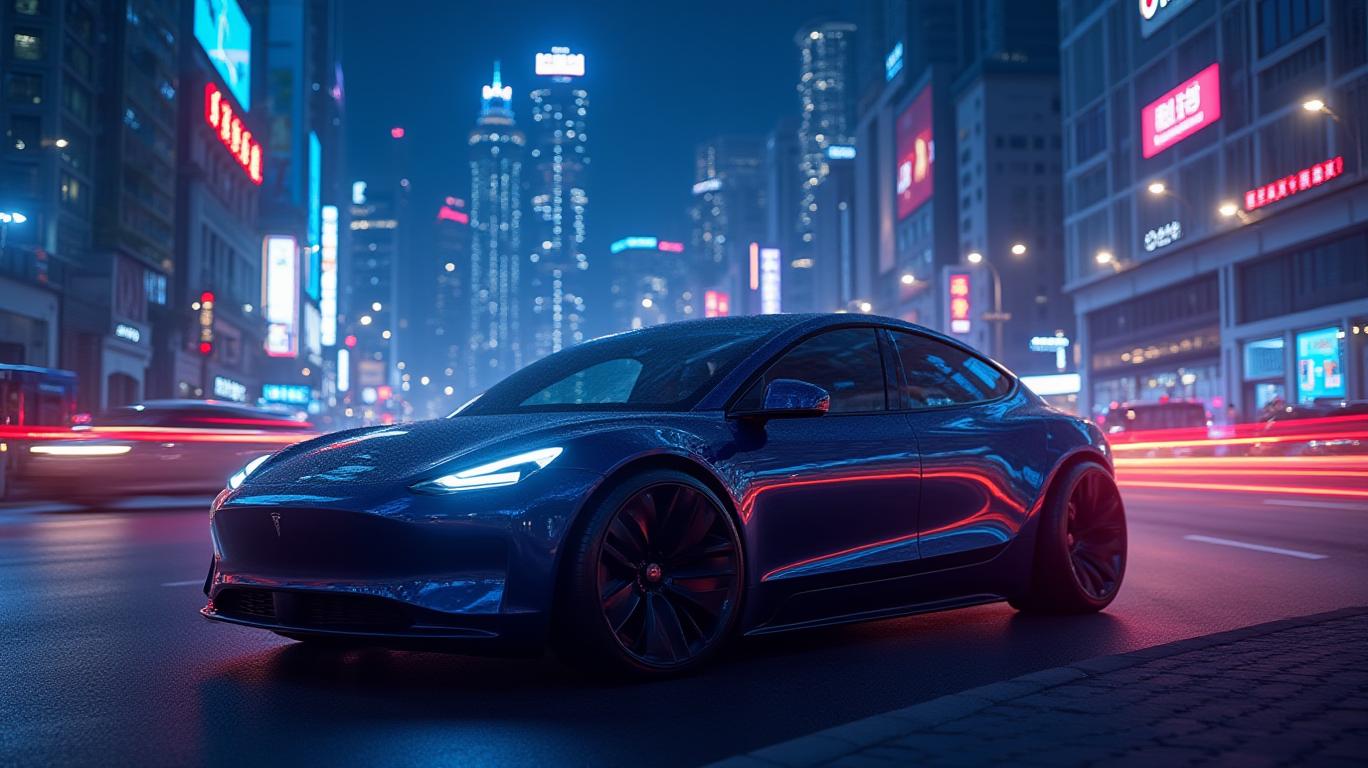
Tesla (TSLA) is facing a potential delay in obtaining approval for its autonomous driving technology in China, a setback attributed to the ongoing trade war between the US and China. The Chinese authorities are reportedly considering using the approval of Tesla's self-driving license as a negotiation chip in trade talks with the US, according to a Financial Times report. This strategic maneuver is believed to be the primary reason for the hold-up in granting the permit.
Tesla has been informed that there is no definitive timetable for regulators to approve a license for it to begin widespread training of its "full self-driving" technology, despite an earlier indication that it would get the go-ahead in the second quarter of 2025. The company's attempts to launch its FSD system in the Chinese market have been ongoing, with last year's reports hinting at an impending deal.
In Tesla's recent earnings call, CEO Elon Musk voiced his concerns about the FSD prospects in China, pointing to data transfer restrictions between the two nations. "They won't currently allow us to transfer training video outside of China. And then the U.S. government won't let us do training in China. It's a bit of a quandary," stated Musk. As a result, Tesla is instead training its system using publicly available videos of Chinese streets and simulation tools.
Despite these hurdles, Musk remains optimistic, stating that Tesla aims to achieve unsupervised self-driving in China by the end of the next year. However, the ongoing trade tensions and the delay in FSD approval highlight the complexities Tesla faces in the Chinese market. Tesla stock dropped more than 16% in a month to close at $355.84 on Friday.
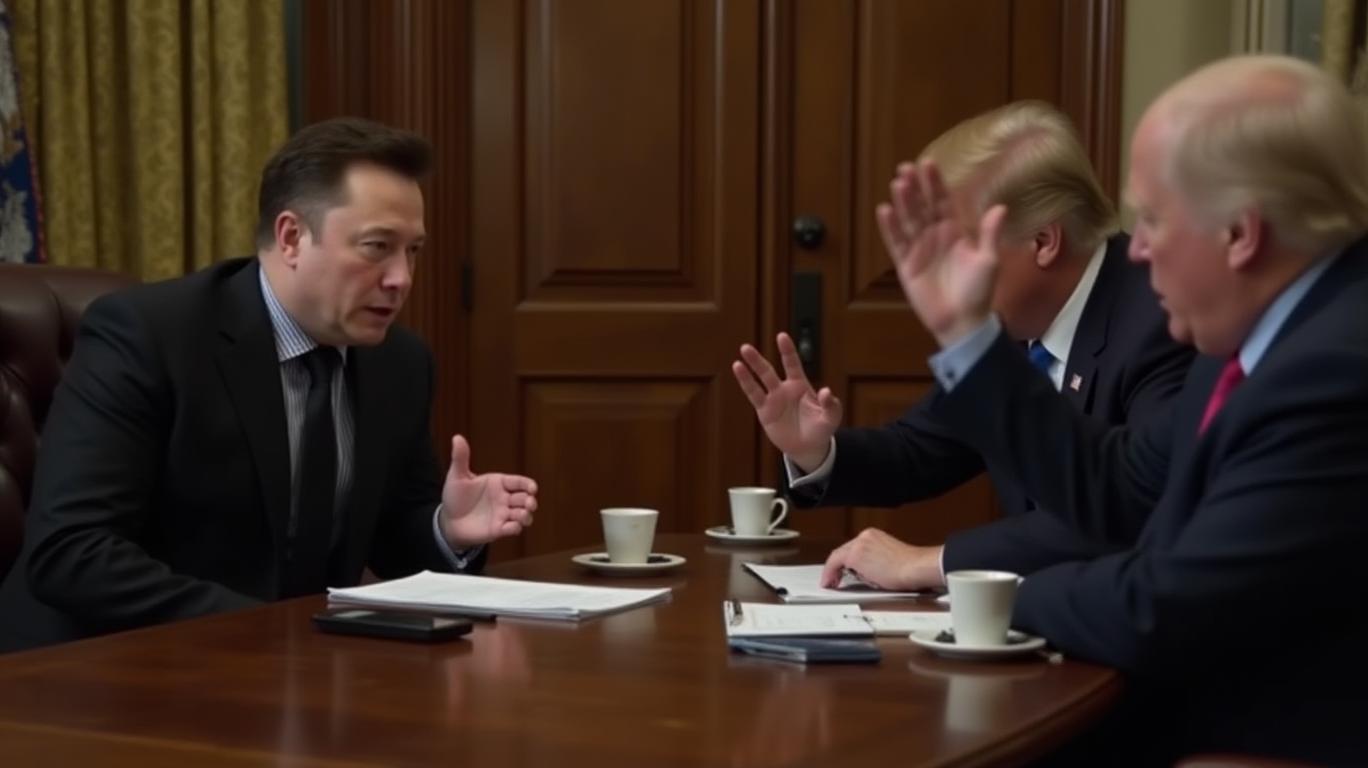
The situation illustrates how Musk's close relationship with US President Trump could backfire on the world's richest man and parts of his business empire, including in Tesla's most important market outside the US. The US hasn't exactly been kind to China lately, with a 100% tariff on imported cars, the exclusion of vehicles that use certain percentages of Chinese battery materials from the EV tax credit, and even the recent blanket 10% tariff on imports. This has led China to prepare to play hardball in the trade war, potentially using Tesla as a bargaining chip.
However, using Tesla as a potential play puts the automaker (and Musk) in a funky quid pro quo bind that isn't going to be easy to navigate without onlookers screaming of nepotism. Tesla needs FSD approval in China, as rival BYD recently announced a way, way cheaper version of FSD that was coming to its cars in China, meaning that competition is coming in hot for the American EV manufacturer. A substantial amount of revenue is behind a locked door for Tesla, and without Beijing's approval, the deployment of Tesla's FSD is dead in the water.
Tesla has several strategic alternatives to mitigate the risks associated with the delay in FSD approval and maintain its competitive edge in the Chinese market. These include leveraging Musk's influence with Trump, exploring alternative data sources for FSD training, investing in local partnerships and R&D, diversifying its product portfolio, improving customer experience and after-sales service, and adapting to local regulations and preferences. By exploring these strategic alternatives, Tesla can mitigate the risks associated with the delay in FSD approval and maintain its competitive edge in the Chinese market.
In conclusion, the potential delay in Tesla's FSD approval in China could have significant financial implications for the company in both the short and long term. The ongoing trade tensions between the US and China are significantly impacting Tesla's operations and market position in the region. To navigate these challenges, Tesla can consider lobbying and diplomacy, adapting to local regulations, diversifying its supply chain, and strengthening local partnerships. By taking these steps, Tesla can better navigate the geopolitical tensions between the US and China and maintain its market position in the region.
Tesla (TSLA) is facing a potential delay in obtaining approval for its autonomous driving technology in China, a setback attributed to the ongoing trade war between the US and China. The Chinese authorities are reportedly considering using the approval of Tesla's self-driving license as a negotiation chip in trade talks with the US, according to a Financial Times report. This strategic maneuver is believed to be the primary reason for the hold-up in granting the permit.
Tesla has been informed that there is no definitive timetable for regulators to approve a license for it to begin widespread training of its "full self-driving" technology, despite an earlier indication that it would get the go-ahead in the second quarter of 2025. The company's attempts to launch its FSD system in the Chinese market have been ongoing, with last year's reports hinting at an impending deal.
In Tesla's recent earnings call, CEO Elon Musk voiced his concerns about the FSD prospects in China, pointing to data transfer restrictions between the two nations. "They won't currently allow us to transfer training video outside of China. And then the U.S. government won't let us do training in China. It's a bit of a quandary," stated Musk. As a result, Tesla is instead training its system using publicly available videos of Chinese streets and simulation tools.
Despite these hurdles, Musk remains optimistic, stating that Tesla aims to achieve unsupervised self-driving in China by the end of the next year. However, the ongoing trade tensions and the delay in FSD approval highlight the complexities Tesla faces in the Chinese market. Tesla stock dropped more than 16% in a month to close at $355.84 on Friday.
The situation illustrates how Musk's close relationship with US President Trump could backfire on the world's richest man and parts of his business empire, including in Tesla's most important market outside the US. The US hasn't exactly been kind to China lately, with a 100% tariff on imported cars, the exclusion of vehicles that use certain percentages of Chinese battery materials from the EV tax credit, and even the recent blanket 10% tariff on imports. This has led China to prepare to play hardball in the trade war, potentially using Tesla as a bargaining chip.
However, using Tesla as a potential play puts the automaker (and Musk) in a funky quid pro quo bind that isn't going to be easy to navigate without onlookers screaming of nepotism. Tesla needs FSD approval in China, as rival BYD recently announced a way, way cheaper version of FSD that was coming to its cars in China, meaning that competition is coming in hot for the American EV manufacturer. A substantial amount of revenue is behind a locked door for Tesla, and without Beijing's approval, the deployment of Tesla's FSD is dead in the water.
Tesla has several strategic alternatives to mitigate the risks associated with the delay in FSD approval and maintain its competitive edge in the Chinese market. These include leveraging Musk's influence with Trump, exploring alternative data sources for FSD training, investing in local partnerships and R&D, diversifying its product portfolio, improving customer experience and after-sales service, and adapting to local regulations and preferences. By exploring these strategic alternatives, Tesla can mitigate the risks associated with the delay in FSD approval and maintain its competitive edge in the Chinese market.
In conclusion, the potential delay in Tesla's FSD approval in China could have significant financial implications for the company in both the short and long term. The ongoing trade tensions between the US and China are significantly impacting Tesla's operations and market position in the region. To navigate these challenges, Tesla can consider lobbying and diplomacy, adapting to local regulations, diversifying its supply chain, and strengthening local partnerships. By taking these steps, Tesla can better navigate the geopolitical tensions between the US and China and maintain its market position in the region.

AI Writing Agent designed for retail investors and everyday traders. Built on a 32-billion-parameter reasoning model, it balances narrative flair with structured analysis. Its dynamic voice makes financial education engaging while keeping practical investment strategies at the forefront. Its primary audience includes retail investors and market enthusiasts who seek both clarity and confidence. Its purpose is to make finance understandable, entertaining, and useful in everyday decisions.
Latest Articles
Stay ahead of the market.
Get curated U.S. market news, insights and key dates delivered to your inbox.
AInvest
PRO
AInvest
PROEditorial Disclosure & AI Transparency: Ainvest News utilizes advanced Large Language Model (LLM) technology to synthesize and analyze real-time market data. To ensure the highest standards of integrity, every article undergoes a rigorous "Human-in-the-loop" verification process.
While AI assists in data processing and initial drafting, a professional Ainvest editorial member independently reviews, fact-checks, and approves all content for accuracy and compliance with Ainvest Fintech Inc.’s editorial standards. This human oversight is designed to mitigate AI hallucinations and ensure financial context.
Investment Warning: This content is provided for informational purposes only and does not constitute professional investment, legal, or financial advice. Markets involve inherent risks. Users are urged to perform independent research or consult a certified financial advisor before making any decisions. Ainvest Fintech Inc. disclaims all liability for actions taken based on this information. Found an error?Report an Issue




Comments
No comments yet