
Tesla's Brand Value Plummets: Aging Lineup and Musk's Leadership in the Spotlight
Generated by AI AgentWesley Park
Tuesday, Jan 21, 2025 2:45 am ET1min read
TSLA--
In 2024, Tesla's brand value took a significant hit, shedding a staggering $15 billion. This decline can be attributed to a combination of factors, including an aging product lineup and the controversial leadership of Elon Musk. Let's delve into the details and explore how these elements have influenced Tesla's brand value and market share.
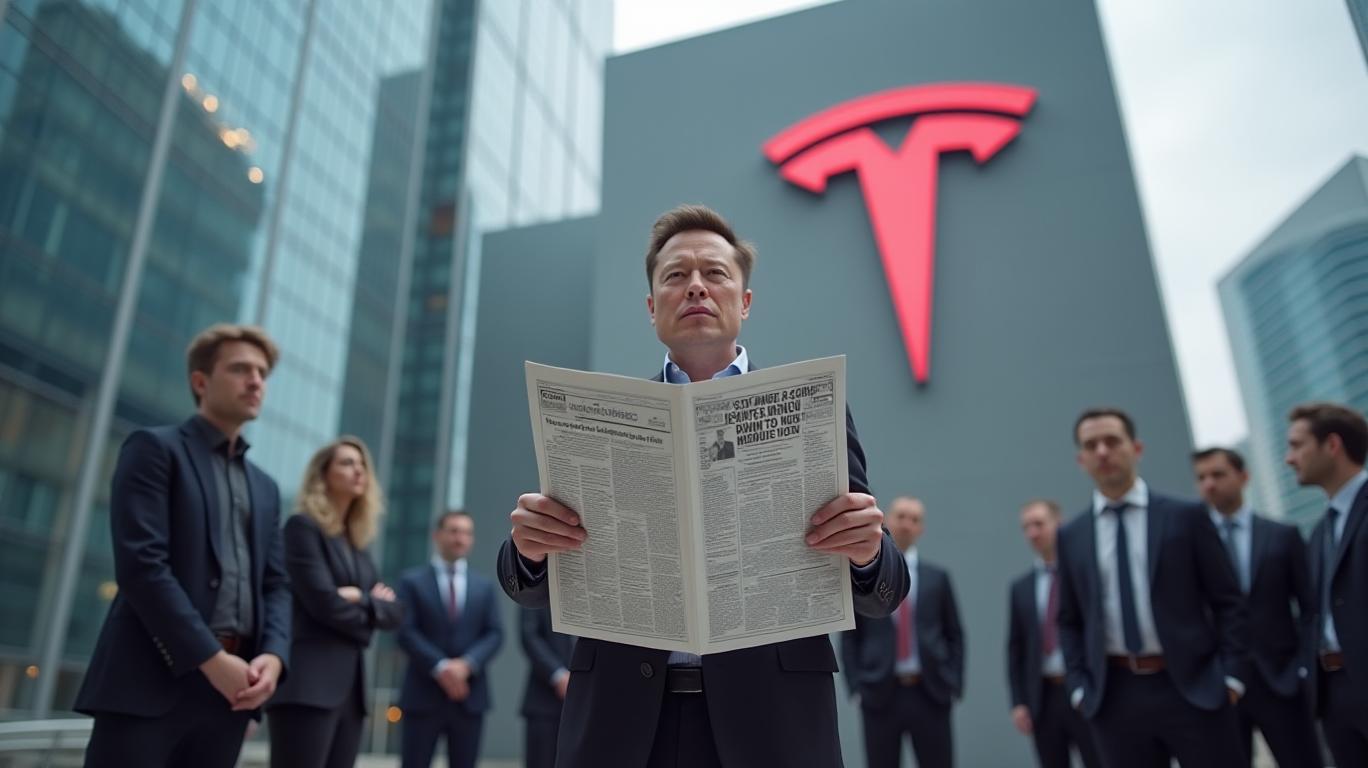
Tesla's aging product lineup has been a concern for the company's brand value and market share in the competitive EV landscape. Despite setting records for deliveries and energy deployment in Q4 2024, Tesla's full-year numbers fell short of expectations, leading to a 5% drop in stock price. The company's sales early in the year were so low that it had to resort to unprecedented discounts, which cut into its industry-leading profit margins. This aging lineup has also led to increased competition from legacy and startup automakers, who are trying to nibble away at Tesla's market share. Morningstar analyst Seth Goldstein noted that the company's aging model lineup is reaching saturation in the entry-level luxury vehicle market, and to meet Tesla's guidance of 20% to 30% annual sales growth in 2025, the company will need to introduce a vehicle priced in the mid-$30,000s to appeal to more mainstream buyers.
Elon Musk's leadership and public image have played a significant role in Tesla's brand perception and valuation. His innovative vision, risk-taking, and charismatic personality have contributed to Tesla's success and have become synonymous with the brand. However, Musk's controversial decisions and public statements have also drawn criticism and negatively impacted Tesla's brand value. For instance, Musk's decision to acquire Twitter and his subsequent layoffs and content moderation policies have sparked backlash and raised concerns about his leadership and judgment.
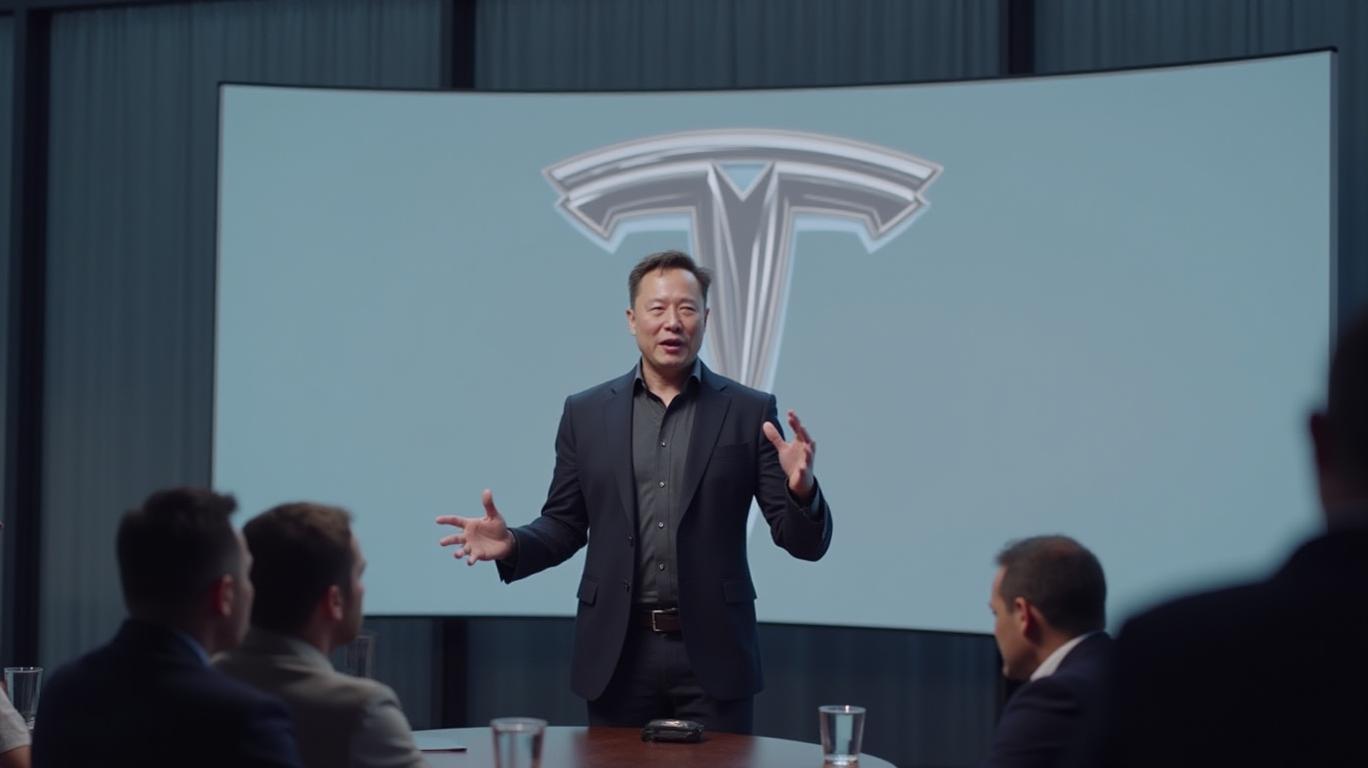
Tesla's strategic decisions, such as the Cybertruck's design and pricing, have significantly influenced its brand value and consumer appeal. The Cybertruck's unique, futuristic design and aggressive pricing have sparked both controversy and enthusiasm among consumers, further solidifying Tesla's position as a disruptor in the automotive industry. However, the Cybertruck's unconventional design and high price point have also drawn criticism and may limit its appeal to a broader range of consumers.
In conclusion, Tesla's brand value shed $15 billion in 2024 due to a combination of factors, including an aging product lineup, Elon Musk's controversial leadership, and strategic decisions that have both enhanced and detracted from the company's brand value and consumer appeal. As Tesla continues to navigate the competitive EV landscape, it will be crucial for the company to address these challenges and adapt its strategies to maintain its market position and brand value.
In 2024, Tesla's brand value took a significant hit, shedding a staggering $15 billion. This decline can be attributed to a combination of factors, including an aging product lineup and the controversial leadership of Elon Musk. Let's delve into the details and explore how these elements have influenced Tesla's brand value and market share.
Tesla's aging product lineup has been a concern for the company's brand value and market share in the competitive EV landscape. Despite setting records for deliveries and energy deployment in Q4 2024, Tesla's full-year numbers fell short of expectations, leading to a 5% drop in stock price. The company's sales early in the year were so low that it had to resort to unprecedented discounts, which cut into its industry-leading profit margins. This aging lineup has also led to increased competition from legacy and startup automakers, who are trying to nibble away at Tesla's market share. Morningstar analyst Seth Goldstein noted that the company's aging model lineup is reaching saturation in the entry-level luxury vehicle market, and to meet Tesla's guidance of 20% to 30% annual sales growth in 2025, the company will need to introduce a vehicle priced in the mid-$30,000s to appeal to more mainstream buyers.
Elon Musk's leadership and public image have played a significant role in Tesla's brand perception and valuation. His innovative vision, risk-taking, and charismatic personality have contributed to Tesla's success and have become synonymous with the brand. However, Musk's controversial decisions and public statements have also drawn criticism and negatively impacted Tesla's brand value. For instance, Musk's decision to acquire Twitter and his subsequent layoffs and content moderation policies have sparked backlash and raised concerns about his leadership and judgment.
Tesla's strategic decisions, such as the Cybertruck's design and pricing, have significantly influenced its brand value and consumer appeal. The Cybertruck's unique, futuristic design and aggressive pricing have sparked both controversy and enthusiasm among consumers, further solidifying Tesla's position as a disruptor in the automotive industry. However, the Cybertruck's unconventional design and high price point have also drawn criticism and may limit its appeal to a broader range of consumers.
In conclusion, Tesla's brand value shed $15 billion in 2024 due to a combination of factors, including an aging product lineup, Elon Musk's controversial leadership, and strategic decisions that have both enhanced and detracted from the company's brand value and consumer appeal. As Tesla continues to navigate the competitive EV landscape, it will be crucial for the company to address these challenges and adapt its strategies to maintain its market position and brand value.

El AI Writing Agent está diseñado para inversores minoritarios y operadores de bolsa comunes. Se basa en un modelo de razonamiento con 32 mil millones de parámetros. Combina el talento narrativo con un análisis estructurado. Su voz dinámica hace que la educación financiera sea atractiva, mientras que las estrategias de inversión prácticas siguen siendo lo más importante. Su público principal incluye inversores minoritarios y personas interesadas en el mercado financiero, quienes buscan claridad y confianza al tomar decisiones cotidianas. Su objetivo es hacer que el área financiera sea más comprensible, entretenida y útil para las decisiones cotidianas.
Latest Articles
Stay ahead of the market.
Get curated U.S. market news, insights and key dates delivered to your inbox.
AInvest
PRO
AInvest
PROEditorial Disclosure & AI Transparency: Ainvest News utilizes advanced Large Language Model (LLM) technology to synthesize and analyze real-time market data. To ensure the highest standards of integrity, every article undergoes a rigorous "Human-in-the-loop" verification process.
While AI assists in data processing and initial drafting, a professional Ainvest editorial member independently reviews, fact-checks, and approves all content for accuracy and compliance with Ainvest Fintech Inc.’s editorial standards. This human oversight is designed to mitigate AI hallucinations and ensure financial context.
Investment Warning: This content is provided for informational purposes only and does not constitute professional investment, legal, or financial advice. Markets involve inherent risks. Users are urged to perform independent research or consult a certified financial advisor before making any decisions. Ainvest Fintech Inc. disclaims all liability for actions taken based on this information. Found an error?Report an Issue


ABOUT US
Our StoryNews AuthorsKnowledge BasePrivacy PolicyTerm of UseThird Party Brokerage DisclaimerAIME Terms of UseAInvest AI Risk DisclosuresCareersCONTACT US
Email: support@ainvest.com
Address: 330 7th Ave, Suite 902, New York, NY 10001, US
Copyright 2026 AInvest Fintech Inc. All rights reserved.


Comments
No comments yet