
Tesla's AI Ambitions Ignite Stock Rally as Musk Champions Chip Prowess
 Aime Summary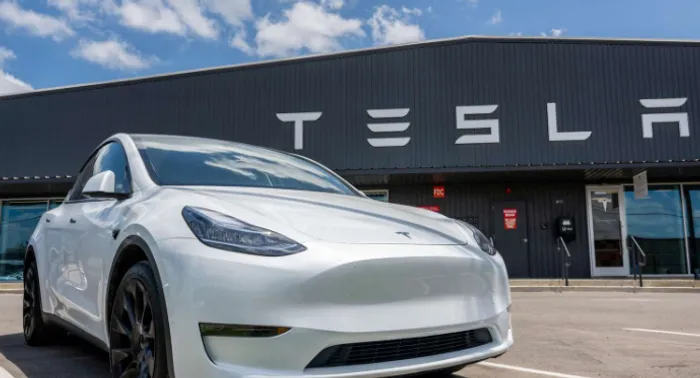
In the high-stakes arena of electric vehicles and artificial intelligence, Elon Musk has once again proven his mastery at steering investor sentiment. Tesla's shares leaped more than 6% on Monday, clawing back into positive territory for the year after a bruising pullback tied to broader tech anxieties.
The catalyst? A weekend barrage of posts from Musk on his social media platform X, where he spotlighted Tesla's under-the-radar prowess in AI chip design—a move that underscores the company's pivot from mere carmaker to AI powerhouse. Coupled with a ringing endorsement from Melius Research dubbing TeslaTSLA-- a "must own" stock, the developments paint a vivid picture of a firm poised to dominate the convergence of autonomy and computing.
Musk's Chip Revelation Sparks Investor Frenzy
Elon Musk doesn't just tweet; he ignites markets. Over the weekend, the Tesla CEO took to X to peel back the curtain on the company's AI chip engineering team, a group that's been quietly operating for years. "Most people don't know that Tesla has had an advanced AI chip and board engineering team for many years," Musk wrote, revealing that the company has already designed and deployed several million of these chips across its vehicles and data centers. These aren't off-the-shelf components; they're the silicon backbone enabling Tesla's leadership in real-world AI applications, from self-driving software to robotics.
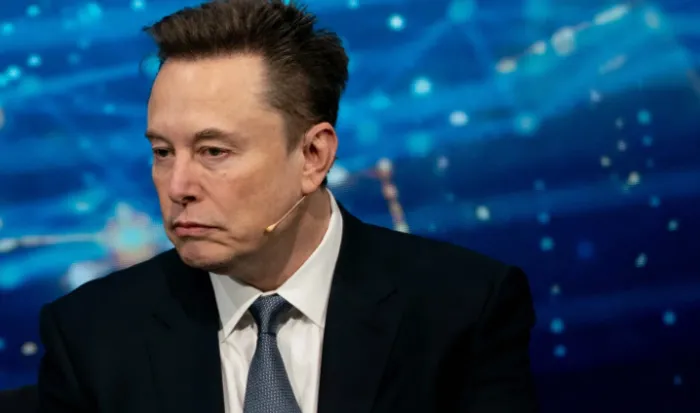
The timing couldn't be more electric. Musk detailed Tesla's current AI4 chip, which powers its fleet, and announced that the next-generation AI5 is nearing "tape out"—the final design phase before production. Work on AI6 is already underway, with Musk pledging a relentless pace: a new chip design hitting volume production every 12 months. His boldest claim? Tesla expects to manufacture these chips at volumes surpassing all other AI chips combined, fueling ambitions in autonomous driving and beyond. To accelerate this vision, Musk even turned recruiter, calling for engineers to join the effort.
Investors didn't hesitate. Tesla's stock surged in Monday's trading, emerging as one of the S&P 500's top performers. The rally wasn't isolated; it rode a wave of optimism around a potential Federal Reserve rate cut next month, which could juice demand for high-cost items like electric vehicles. Yet Musk's posts were the undeniable spark, transforming whispers of Tesla's AI capabilities into a roaring narrative that drowned out recent market jitters.
Analyst Upgrade Amplifies the Bull Case
Adding fuel to the fire, Melius Research analyst Rob Wertheimer issued a compelling note on Monday, elevating Tesla to "must own" status amid what he sees as an impending revolution in autonomy. "The world is about to change, dramatically," Wertheimer declared, predicting that self-driving technology will unleash hundreds of billions in value shifts over the next five years—from beleaguered legacy players to Tesla's coffers.
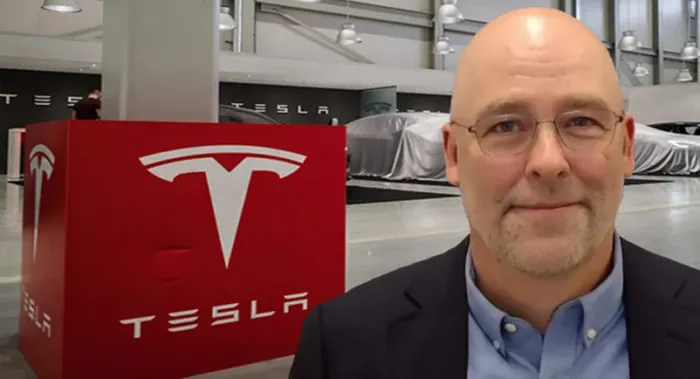
At the heart of Wertheimer's thesis is Tesla's Full Self-Driving (FSD) software, particularly the latest version 14.1.7. This iteration marks a pivotal shift to a vision-only system, ditching radar and relying on cameras backed by massive computational training. Years of investment in data and compute have yielded a system that's not just functional but superior, Wertheimer argues. Legacy automakers, hampered by slower innovation and higher costs, are ill-equipped to catch up. "Over the past decade, we assumed others could catch up quickly," he noted. "Now we are not quite so sure, as strategic choices made years ago seem to be working well for Tesla and less so for others."
Wertheimer's optimism extends to Tesla's in-house chip strategy, which dovetails seamlessly with Musk's weekend revelations. The AI4 chip, and soon the AI5, are specialized beasts—cheaper and faster than generalized platforms from rivals like Nvidia. This "large and non-intuitive bet" gives Tesla a moat that's widening, not eroding. While Nvidia's scale remains formidable, Wertheimer questions whether traditional carmakers could ever replicate Tesla's integrated approach to hardware and software.
The endorsement resonated immediately, propelling Tesla's shares nearly 7% higher by midday. It's a testament to how analyst voices, when aligned with Musk's megaphone, can amplify market moves in an instant.
Navigating the AI Bubble's Shadow
Yet this surge comes against a backdrop of volatility. Just last week, Tesla's stock tumbled over 3%, caught in the crossfire of fears over an inflating AI bubble. The "Magnificent Seven" tech titans— including Tesla, Nvidia, and Microsoft—have borne the brunt, as investors question the sustainability of massive AI investments. Tesla, with its heavy bets on data centers, custom chips, and FSD software, has evolved from an automotive pure-play into an AI and robotics wager. This dual identity fuels both upside euphoria and downside dread.
The recent dip erased more than 10% from Tesla's early-month highs, reflecting broader tech sector woes. Still, Monday's rebound has nudged the stock back above water year-to-date, a resilient performance amid economic headwinds. Lower interest rates on the horizon could further bolster consumer spending on EVs, but the real driver remains Tesla's narrative shift. No longer just about selling cars, the company is positioning itself as the vanguard of AI-driven mobility—a story that's captivating Wall Street despite the risks.
Looking Ahead: Autonomy's High-Stakes Gamble
As Tesla accelerates its AI chip roadmap, the implications ripple far beyond stock tickers. Musk's vision of ubiquitous self-driving vehicles and robotaxis hinges on these advancements, potentially disrupting entire industries. Wertheimer's forecast of value migration underscores the stakes: incumbents like General Motors or Ford, slow to pivot, could face obsolescence, while Tesla reaps the rewards of its early bets.
Challenges loom, of course. The AI5 chip, originally slated for earlier rollout, is now eyed for mid-2027 integration into vehicles—a delay that highlights the complexities of cutting-edge tech. Regulatory hurdles for full autonomy remain formidable, and competition from chip giants like Nvidia isn't fading. Yet Musk's track record of turning audacious claims into reality—think reusable rockets at SpaceX—lends credibility to his chip ambitions.
For investors, Tesla embodies the thrill of high-growth tech: volatile, visionary, and tied inextricably to its mercurial CEO. Monday's rally isn't just a blip; it's a reminder that in the AI era, companies like Tesla aren't waiting for the future—they're engineering it. As Musk rallies his troops and analysts cheer from the sidelines, the question isn't whether Tesla will lead the charge, but how far it will go.

Expert analysis on U.S. markets and macro trends, delivering clear perspectives behind major market moves.
Latest Articles
Stay ahead of the market.
Get curated U.S. market news, insights and key dates delivered to your inbox.


AInvest
PRO
AInvest
PRO



Comments
No comments yet