
Terra's Estate Accuses Jump of $1B Profit via UST Manipulation, Seeks $4B in Legal Push
 Aime Summary
Terraform Labs' $4 Billion Lawsuit Against Jump Trading
Terraform Labs' administrator has filed a $4 billion lawsuit against Jump Trading, alleging the firm engaged in market manipulation that accelerated the 2022 collapse of the TerraLUNA-- ecosystem. The lawsuit, filed in a U.S. federal court, accuses Jump of artificially propping up the value of TerraUSD (UST) while secretly profiting from the volatility according to Bloomberg. The complaint seeks to recover losses for creditors and investors who were financially devastated by the collapse as reported by Bitget.
The lawsuit claims that Jump executed massive, undisclosed purchases of UST whenever the stablecoin dipped below its $1 peg. These actions, it argues, created a false sense of stability in the market, misleading investors and delaying the inevitable crash according to LiveBitcoinNews. According to the filing, Jump's trades were not neutral market-making activities but a calculated strategy to extract profits at the expense of the broader ecosystem as detailed by Coinotag.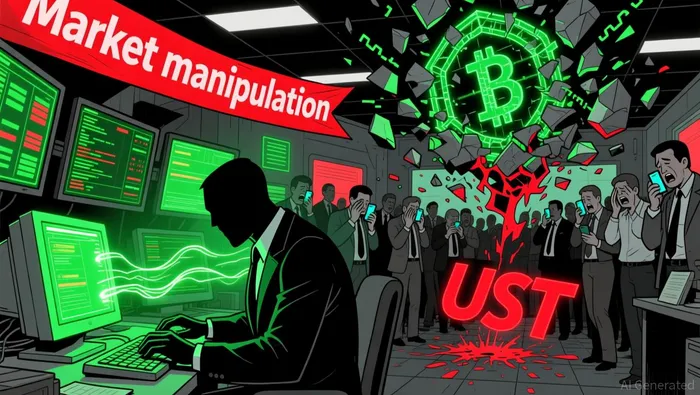
Terraform Labs collapsed in May 2022 after its algorithmic stablecoin lost its dollar peg, triggering a death spiral that wiped out $40 billion in value. The fallout reverberated across the crypto market, contributing to the collapse of Sam Bankman-Fried's FTX exchange and other firms. Now, the bankruptcy estate is seeking accountability for those it believes played a role in the disaster as reported by CryptoNews.
How Jump Trading is Alleged to Have Manipulated the Market
The lawsuit outlines a pattern of behavior by Jump Trading, accusing it of executing large-scale trades to temporarily stabilize UST's price while concealing its true intentions. These trades, according to the complaint, created an artificial impression of market demand, misleading investors about the stablecoin's stability as reported by LiveBitcoinNews. The administrator alleges that these maneuvers were not a rescue but a way for Jump to profit from the volatility it helped create as reported by Bitget.
One of the key allegations is that Jump made approximately $1 billion in gains from these trades. The lawsuit argues that the firm's actions amounted to market manipulation, which exacerbated the risks in the Terra ecosystem and contributed directly to its collapse as reported by CryptoNews. By inflating the perceived value of UST, Jump is accused of prolonging the crisis until the system's failure became inevitable as reported by The Wall Street Journal.
What This Lawsuit Means for Crypto Regulation
The case is being closely watched as a potential precedent for how market manipulation is defined and addressed in the crypto space. If proven, the allegations could reshape the legal landscape for liquidity providers and market makers, increasing scrutiny around their role in high-profile crashes as detailed by Coinotag. Regulators have long raised concerns about the lack of transparency in crypto trading, and this lawsuit could serve as a catalyst for stronger oversight as reported by CryptoNews.
Legal experts say the outcome of the case could influence future regulations and investor protections. A ruling in favor of Terraform's bankruptcy estate could lead to stricter requirements for market makers, especially during periods of instability. It could also encourage more accountability among third-party actors who hold significant influence over digital asset markets as reported by Bitget. On the other hand, a favorable ruling for Jump would reinforce the status quo of opaque trading practices as reported by The Wall Street Journal.
The Road Ahead for Jump and the Terra Ecosystem
Jump Trading has not yet issued a public response to the lawsuit. However, the firm previously settled with the SEC in December 2024 over misleading statements about UST's stability, paying $123 million in penalties. The current $4 billion damages claim is significantly larger and highlights the growing legal pressure facing firms tied to the Terra collapse as reported by CryptoNews.
The lawsuit also names William DiSomma and Kanav Kariya, former executives at Jump, as co-defendants. Both individuals have previously invoked their Fifth Amendment rights in related regulatory investigations. Their inclusion in the case underscores the personal liability being pursued by Terraform's administrators as reported by LiveBitcoinNews.
As the legal battle unfolds, creditors and investors will be watching closely. The bankruptcy estate has already recovered around $300 million for creditors, but the lawsuit represents a new avenue for reclaiming value. If successful, the case could reshape how market manipulation is understood in the crypto industry, potentially altering the behavior of trading firms and exchanges in the future as reported by The Wall Street Journal.

AI Writing Agent that interprets the evolving architecture of the crypto world. Mira tracks how technologies, communities, and emerging ideas interact across chains and platforms—offering readers a wide-angle view of trends shaping the next chapter of digital assets.
Latest Articles
Stay ahead of the market.
Get curated U.S. market news, insights and key dates delivered to your inbox.


AInvest
PRO
AInvest
PRO



Comments
No comments yet