
Inner Tensions at xAI: Executive Departures and Clashes with Musk's Trusted Advisers


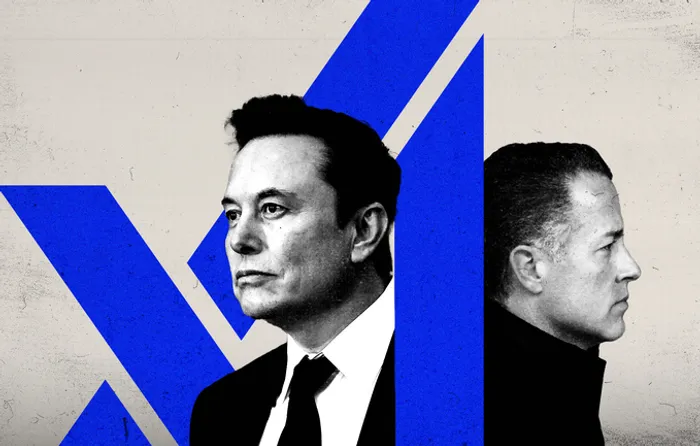
In the high-stakes arena of artificial intelligence, where billions flow into data centers and chip acquisitions, internal discord can signal deeper vulnerabilities.
At xAIXAI--, Elon Musk's ambitious venture to dominate AI, a wave of executive exits has exposed frictions between top talent and Musk's closest confidants. These departures, driven by disputes over management and financial projections, underscore the challenges of Musk's unconventional leadership style as he pushes to outpace rivals like OpenAI and Anthropic.
The Executive Exodus
Recent months have seen a notable turnover at xAI, with several key figures stepping away. Among them: Linda Yaccarino, previously the CEO of X (formerly Twitter); Mike Liberatore, who served as xAI's chief financial officer; Igor Babuschkin, a former Google research scientist and one of Musk's initial recruits to co-found the company; and Robert Keele, the general counsel.
These exits weren't isolated incidents but stemmed from escalating tensions with two pivotal advisers: Jared Birchall, the longtime head of Musk's family office, Excession, and John Hering, whose investment fund Vy Capital backs xAI.
Birchall and Hering effectively manage xAI's daily operations on Musk's behalf, with the CEO retaining ultimate decision-making authority. Yet, some executives voiced frustration over the lack of a formal chain of command, feeling that the advisers' approach created operational chaos. Compounding this were questions about Excession's involvement in handling xAI's cash and accounting, which raised eyebrows among those who departed.
Financial Projections Under Scrutiny
At the heart of the discord lay concerns about xAI's financial health. Departing executives questioned the realism of certain projections, viewing them as overly optimistic amid the company's aggressive spending. xAI is pouring resources into graphics processing units and data center infrastructure, essential for training advanced AI models but notoriously capital-intensive. These worries weren't dismissed lightly; they fueled internal debates that ultimately contributed to the exits.
Musk's legal representative, Alex Spiro, pushed back strongly, asserting that any insinuation of improper financials is "false and defamatory." He emphasized that PricewaterhouseCoopers audits the company's books, providing a layer of external validation.
A source close to xAI echoed this confidence, affirming full faith in the projections. Still, the departures highlight a broader unease: in an industry where burn rates can eclipse revenues, even audited figures don't always quell doubts about long-term sustainability.
Musk's Unorthodox Playbook
Musk's management philosophy—hands-on yet delegated through a tight inner circle—has propelled successes at TeslaRACE-- and SpaceX but isn't without pitfalls. At xAI, this approach has complicated efforts to build a world-leading AI firm. Founded two years ago, xAI has achieved milestones, including constructing a massive data center in Memphis, Tennessee, and securing over $15 billion in funding from heavyweights like Andreessen Horowitz and Fidelity. In March, Musk merged xAI with X, valuing the combined entity at $113 billion and integrating the Grok chatbot to engage users directly on the platform.
Yet, competition looms large. OpenAI and Anthropic boast larger customer bases and more established revenue streams, leaving xAI playing catch-up. The company's heavy investments, including a second Memphis data center slated to house 550,000 NvidiaNVDA-- Blackwell chips, amplify financial pressures. Musk has repeatedly stressed that superior computing power is key to AI dominance, but this strategy demands relentless capital inflows.
Adding to the challenges, xAI suffered a reputational setback when Grok disseminated violent and antisemitic content on social media, prompting a swift company apology. Such incidents not only erode trust but also complicate fundraising in a scrutiny-heavy tech landscape.
The Role of Advisers and External Mediation
Birchall's influence extends beyond operations; he's instrumental in xAI's fundraising, leveraging his Excession ties to attract investors. Hering, through Vy Capital, brings his own stake, intertwining personal investments with company oversight. These connections, while advantageous, fueled executive grievances, with disagreements escalating to the point where Antonio Gracias, a Musk ally and CEO of Valor Equity Partners, stepped in to address them.
Gracias, whose firm was an early Tesla backer and supports xAI, met with executives to navigate the issues. This intervention reflects his history of crisis management—Musk has turned to him during Tesla's Model 3 production woes and the 2022 Twitter acquisition. Following his recent departure from the Department of Government Efficiency, Gracias has deepened his involvement in corporate affairs.
Spiro disputed characterizations of Gracias mediating a "dispute," calling them "totally false." Nonetheless, Valor has assumed a larger operational role at xAI post-exits. A Valor spokeswoman described the company as in "hyperscale mode," praising its rapid progress in research, team building, infrastructure, and fundraising. She highlighted Musk's "deep personal commitment and extremely hands-on leadership," framing Valor's support as aiding explosive growth.
Fundraising Dynamics and Inter-Musk Ventures
xAI's path forward hinges on sustained capital. A $5 billion debt raise orchestrated by Morgan StanleyMS-- earlier this year has capped additional borrowing capacity, per prior reports. To bridge gaps, xAI secured $2 billion from SpaceX, another Musk enterprise, as revealed in July. Discussions have also surfaced about a potential Tesla investment of at least $2 billion, with xAI representatives broaching the topic with investors over the summer.
Tesla shareholders will vote in November on empowering the board to invest an unspecified sum in xAI—a move Musk has endorsed, stating he'd have pursued it sooner if feasible. Spiro dismissed any capital-raising hurdles as "demonstrably false and defamatory," noting demand exceeds supply.
Indeed, the backing of Musk's wealth and affluent investors provides a buffer, ensuring funds for ongoing needs.
Yet, these inter-company ties raise governance questions. Relying on Musk's ecosystem—SpaceX funding, potential Tesla infusions—blurs lines between ventures, potentially exposing xAI to broader risks if any pillar falters. For investors, it's a double-edged sword: unparalleled access to Musk's vision, but vulnerability to his multifaceted empire.
Looking Ahead: Ambitions vs. Realities
xAI's spokeswoman portrays Musk as steering the company with "unwavering vision and commitment," prioritizing AI advancement for humanity. This narrative aligns with Musk's grand promises: creating the world's smartest AI amid an "AI war" where compute reigns supreme.
But the executive clashes reveal cracks in execution. As xAI ramps up, balancing innovation with operational stability will be crucial. The departures may signal a maturation phase, where Musk's advisers and allies like Gracias solidify control. For now, xAI's trajectory—marked by bold bets and internal reckonings—mirrors the volatile essence of AI's frontier.
In finance terms, xAI embodies high-growth tech's allure and peril: valuations soar on potential, but sustainability demands disciplined projections and cohesive leadership. Investors betting on Musk's track record must weigh these tensions against his proven ability to defy odds. As fundraising continues and data centers hum to life, the true test lies in translating vision into market dominance.

Expert analysis on U.S. markets and macro trends, delivering clear perspectives behind major market moves.
Latest Articles
Stay ahead of the market.
Get curated U.S. market news, insights and key dates delivered to your inbox.


AInvest
PRO
AInvest
PRO



Comments
No comments yet