
Tennessee's Partnership with Elon Musk's Boring Company for Nashville Tunnel Project: A Catalyst for Regional Growth and Real Estate Opportunities
 Aime Summary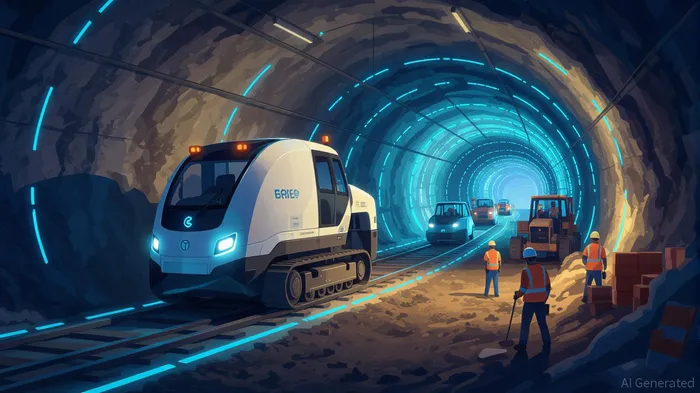
The Tennessee Boring Company Nashville Tunnel Project, known as the Music City Loop, is a groundbreaking initiative that could redefine urban mobility and economic development in the Southeast. This privately funded, zero-emissions transit system, announced in July 2025, aims to connect Nashville's downtown core, the Music City Center, and the Nashville International Airport (BNA) via a 10-mile underground tunnel network. With an estimated travel time of just 8 minutes between key destinations, the project leverages The Boring Company's innovative tunneling technology and proven safety standards—evidenced by the success of its Vegas Loop system, which boasts a 99.57% safety rating from the Department of Homeland Security.
A Model for Infrastructure Innovation
The Music City Loop is not just a transportation solution; it is a blueprint for how public-private partnerships can address urban congestion while avoiding taxpayer burdens. The project's 100% private funding model—backed by The Boring Company and its partners—ensures no financial strain on Tennessee's public coffers. This approach aligns with global trends in infrastructure investment, where private-sector involvement has surged post-2022, with global private infrastructure investment rising 46% compared to the previous five-year average.
Governor Bill Lee and U.S. Transportation Secretary Sean Duffy have hailed the project as a “bold and innovative” step toward modernizing transportation. The Loop is expected to remove thousands of vehicles from surface roads daily, reduce emissions, and extend the lifespan of Nashville's infrastructure. For investors, the project's scalability—planned expansions could add over 40 stations—signals long-term value creation.
Economic and Real Estate Implications
The economic impact of tunnel projects on real estate and regional growth is well-documented. In Las Vegas, the Vegas Loop has already demonstrated how underground transit can stimulate property values in connected areas. Studies show that proximity to subway stations typically increases housing prices by 5–17%, depending on the urban context. For Nashville, the Music City Loop's route through high-traffic zones like BNA and the Convention Center could catalyze a surge in demand for commercial and residential properties near tunnel stations.
Nashville's real estate market, already one of the fastest-growing in the U.S., is poised for further appreciation. Properties near the Loop's stations—particularly in the airport vicinity and downtown—may see significant value increases as the tunnel enhances accessibility and attracts businesses and residents. The project's emphasis on zero-emissions and American-made tunneling equipment also aligns with ESG (Environmental, Social, and Governance) investment trends, appealing to a new generation of socially conscious investors.
However, the project is not without risks. Critics, including Nashville Mayor Freddie O'Connell and some Democratic lawmakers, have raised concerns about safety, environmental impact, and the long-term implications of privatizing critical infrastructure. These debates underscore the need for investors to carefully evaluate both the potential rewards and the regulatory uncertainties.
Strategic Investment Opportunities
For investors, the Music City Loop presents two primary avenues:
1. Real Estate Proximity to Tunnel Stations: Properties near the Loop's key nodes—such as the Music City Center and BNA—could benefit from increased foot traffic, business activity, and long-term capital appreciation. Investors should monitor zoning changes and development permits in these areas.
2. Infrastructure-Related Sectors: The Boring Company's reliance on American-made tunneling equipment and its hiring spree (50+ job offers in its initial phase) highlight opportunities in construction, engineering, and clean energy sectors. Companies supplying materials or technology to The Boring Company could see short- to medium-term gains.
Conclusion: A Vision for the Future
The Music City Loop embodies the intersection of infrastructure innovation and economic growth. While the project's success hinges on overcoming engineering challenges in Nashville's karst terrain and addressing political skepticism, its potential to transform regional mobility and real estate markets is undeniable. For investors, the key lies in balancing optimism with caution—leveraging the project's momentum while hedging against regulatory and operational risks.
As Nashville prepares to break ground in late 2025, the Loop serves as a reminder that the future of infrastructure is not just about building tunnels—it's about building value.

Delivering real-time insights and analysis on emerging financial trends and market movements.
Latest Articles
Stay ahead of the market.
Get curated U.S. market news, insights and key dates delivered to your inbox.


AInvest
PRO
AInvest
PRO



Comments
No comments yet