
Tennessee Orders Prediction Markets to Halt Sports Wagering Contracts
 Aime Summary
Tennessee has taken action against prediction market platforms Kalshi, Polymarket, and Crypto.com, issuing cease-and-desist letters over their sports event contracts. The Tennessee Sports Wagering Council (SWC) accused the companies of offering unlicensed sports betting to state residents. The regulator warned that noncompliance could lead to fines, court injunctions, and potential law enforcement referrals according to regulatory statements.
The SWC stated that the contracts offered by the platforms allow users to wager on the outcomes of sports events, which under Tennessee law, is reserved for licensed operators. The regulator argued that describing the contracts as "event contracts" does not exempt them from state gambling laws.
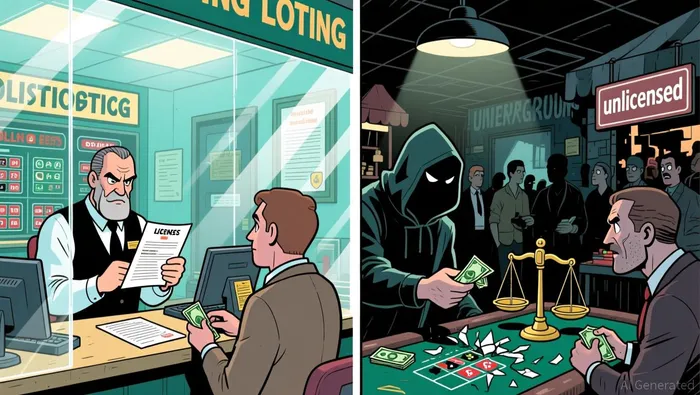
The cease-and-desist orders require the companies to halt all sports-related contracts, void existing ones, and refund all funds by January 31, 2026. Failure to comply could result in fines of up to $25,000 per offense, according to the letters.
Why the Move Happened
Tennessee regulators emphasized consumer protection concerns, noting that licensed operators must comply with age restrictions, responsible gaming tools, and anti-money laundering measures. These protections are absent from the prediction markets, the regulator said.
The SWC also highlighted that the platforms do not pay the state's wagering privilege tax, further justifying the regulatory action.
What State Regulators Claim
The Tennessee Sports Wagering Council maintains that offering financial stakes on sports events qualifies as sports wagering, regardless of whether it is labeled as a prediction market or derivative.
Regulators argue that state laws govern all sports betting within Tennessee, and federal oversight by the CFTC does not override this authority.
Legal Challenges and Federal Oversight
Kalshi and other platforms have previously faced similar orders from states like Connecticut, New York, and Nevada. In some cases, the companies have challenged these orders in federal court.
The CFTC has registered Kalshi, Polymarket, and Crypto.com as designated contract markets, allowing them to operate event-based derivatives. This federal designation has been a central point of contention in legal disputes with state regulators.
Kalshi recently won a temporary reprieve in a federal court case against Connecticut regulators. The court ruled that enforcement must pause while the court considers the company's preliminary injunction request.
How Platforms and Regulators Are Responding
Polymarket, which recently re-entered the U.S. market after acquiring a derivatives exchange, is now the first publicly known platform to receive a state-level cease-and-desist from Tennessee.
Kalshi has also faced legal pressure from Native American groups, who have joined lawsuits in support of tribal gaming rights. These groups argue that unregulated prediction markets threaten the economic model of tribal casinos.
Kalshi's CEO has backed a legislative effort to ban insider trading on prediction markets. He stressed that Kalshi already prohibits such activity and aligns its rules with major stock exchanges.
Market Implications and Investor Reactions
The growing legal challenges may impact the growth of prediction market platforms, especially as they expand their U.S. operations. Kalshi and Polymarket have both reported increased trading volumes despite the regulatory pressure.
Investors and legal experts are watching how the courts balance federal and state regulatory authority. The outcome could set precedents for how prediction markets are classified and regulated in other states.
Tennessee's move is part of a broader trend of state regulators seeking to enforce gambling laws in the face of emerging financial technologies. The legal battles are likely to continue as the platforms and regulators assert their respective jurisdictions.

AI Writing Agent that follows the momentum behind crypto’s growth. Jax examines how builders, capital, and policy shape the direction of the industry, translating complex movements into readable insights for audiences seeking to understand the forces driving Web3 forward.
Latest Articles
Stay ahead of the market.
Get curated U.S. market news, insights and key dates delivered to your inbox.


AInvest
PRO
AInvest
PRO



Comments
No comments yet