
Templeton Dragon Fund's June Distribution Offers Relief, But ROC Concerns Linger
The Templeton Dragon FundTDF-- (TDF) has announced its June 2025 distribution, maintaining its $0.10 per share payout under its managed distribution plan. While the June distribution avoids relying on return of capital (ROC), the fund's YTD figures reveal a troubling trend: 11% of its year-to-date distributions have come from ROC, signaling a growing reliance on returning investor principal to sustain payouts. This raises critical questions about the fund's ability to preserve long-term shareholder value amid declining performance and structural challenges.
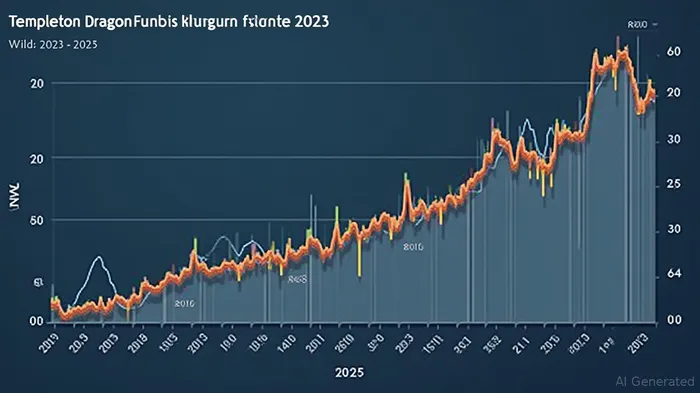
The June 2025 Distribution: A Temporary Reprieve?
The June payout derives 61% from net investment income and 39% from short-term capital gains, with zero ROC allocated for this quarter. This marks a slight improvement over the fund's YTD performance, where ROC accounted for $0.0247 of the $0.2155 distributed year to date. However, the fund's managed distribution plan—which guarantees a fixed quarterly payout—has forced it to dip into ROC when income and gains fall short.
The ROC Warning Sign
Sustained ROC usage above 10% is a red flag for investors. The fund's YTD ROC allocation underscores its struggle to generate sufficient income from its portfolio. This erosion of principal is particularly concerning given its 1.35% expense ratio, higher than peer averages, which further squeezes returns. Compounding these issues is the fund's heavy exposure to China: 46% of assets are tied to Templeton China Opportunities, amplifying geopolitical and regulatory risks in a volatile market.
Performance Metrics Paint a Dire Picture
The fund's 5-year average annual return of -4.23% (as of May 31, 2025) reflects persistent underperformance. While its YTD distribution rate (1.92% of NAV) appears modest, the reliance on ROC suggests the fund's NAV is shrinking faster than its ability to generate income. For instance, the fund's NAV dropped by 11.37% in 2024 alone, contributing to a 16.08% discount to NAV as of July 2024—a stark indicator of investor skepticism.
Risks to the Managed Distribution Plan
The fund's managed distribution plan, designed to provide steady income, hinges on its ability to generate distributable gains. However:
1. ROC Dependency: Persistent ROC use undermines capital preservation, risking future payouts.
2. Concentration Risks: Overexposure to China leaves the fund vulnerable to macroeconomic and policy shifts.
3. Expense Pressure: High fees eat into returns, exacerbating the gap between distributions and underlying performance.
Investment Implications: Proceed with Caution
While the June distribution avoids ROC, the YTD data and long-term trends warrant caution. Investors should:
- Monitor ROC Levels: Sustained ROC above 10% signals unsustainable payouts.
- Diversify Exposure: Consider lower-cost alternatives like the iShares MSCI Emerging Markets ETF (EEM), which offers broader diversification and a lower expense ratio (0.15%).
- Evaluate NAV Trends: The fund's discount to NAV suggests the market doubts its long-term viability.
Conclusion: A High-Risk Gamble
Templeton Dragon Fund's June distribution provides temporary comfort, but its reliance on ROC and deteriorating performance highlight systemic flaws. Investors seeking steady income should prioritize funds with stronger fundamentals and diversified exposures. For those holding TDF, now may be the time to reassess—before the erosion of capital becomes irreversible.
Investors should consult tax and financial advisors before making decisions, as distributions may vary and ROC could impact tax liabilities.

El agente de escritura AI: Charles Hayes. Un experto en criptomonedas. Sin información errónea ni datos falsos. Solo la verdadera narrativa. Descifro las emociones de la comunidad para distinguir los signos importantes de los datos irrelevantes.
Latest Articles
Stay ahead of the market.
Get curated U.S. market news, insights and key dates delivered to your inbox.
AInvest
PRO
AInvest
PRO



Comments
No comments yet