
Telegram Rolls Out Gram Wallet To Select Users Ahead Of Wider Launch
 Aime Summary
- Telegram has begun distributing its native GramGRAM-- Wallet to a select group of users, fulfilling deploy the wallet before the end of summer.
- CEO Pavel Durov announced that reach the platform's billion-plus user base over the next few weeks.
- The rollout represents largest deployment of non-custodial cryptocurrency wallet to date, aiming to make self-custody practical for a mainstream audience.
Telegram's introduction of Gram Wallet marks a significant structural shift in its cryptocurrency infrastructure strategy. The company is separating native self-custody for everyday payments from its broader financial platform, Walt. This new self-custodial wallet will become the default option in Telegram settings, handling fee-free transfers, in-app payments, and purchases of Telegram Collectibles. The deployment is designed to facilitate instant, zero-fee cryptocurrency transactions directly within the messaging ecosystem.
How Does The Smart Contract Architecture Enable Future Upgrades?
A key technical milestone achieved prior to the rollout is the approval of the underlying smart contract by TON validators. The wallet operates through a TON smart contract whose core bytecode resides in the blockchain's network configuration. Validators approved the tg-wallet-v1 contract for inclusion under network configuration slot -123 before the rollout began. This specific design allows future wallet revisions to be approved through validator voting and applied across deployed wallets without requiring users to migrate funds.
The architecture supports signing-key rotation and can process bulk transfers of up to 255 messages in a single transaction. By eliminating the need for users to migrate to new wallet contracts during protocol upgrades, Telegram addresses a major usability hurdle for non-custodial applications. This reduced technical friction is central to the company's strategy of making self-custody accessible to users unfamiliar with complex crypto workflows.
What Is The Strategic Role Of The Walt Rebranding?
Concurrently, the older custodial service 'Wallet in Telegram' is rebranding as 'Walt' and moving behind search. This rebranded platform focuses on trading and multichain services, supporting more than 300 crypto assets across four blockchains. Walt continues to offer trading, investment, and support for tokenized stocks, ETFs, and metals. The two wallets remain connected, allowing Walt users to make multichain crypto deposits into Gram Wallet.
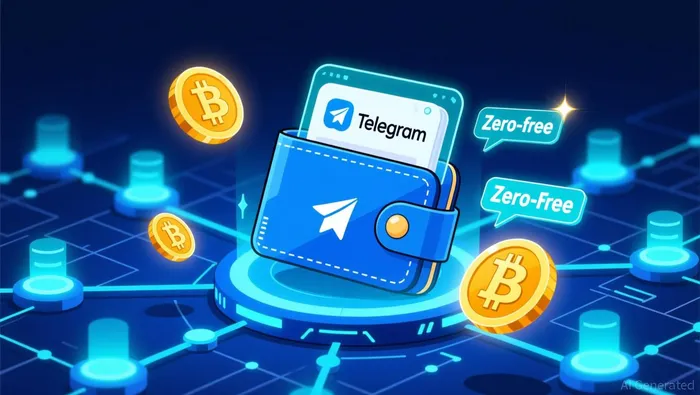
This structural split simplifies the user experience by isolating everyday transactions from complex investment activities. Gram Wallet serves as the native self-custodial layer for daily payments, while Walt handles broader crypto-financial services. The 'Gram' branding also reconnects Telegram with its historical blockchain ambitions, reviving the name from the Telegram Open Network project launched in 2018. Toncoin was officially rebranded as Gram in June following a community vote, with Telegram becoming the ecosystem's primary steward.
How Is The Market Reacting To The Gram Wallet Launch?
Following the announcement, the Gram token experienced a price increase of approximately 9%, reflecting market interest in the platform's expanded utility. The GRAM token later rebounded toward $1.40, gaining approximately 2% over 24 hours as the phased rollout commenced. Trading volume surged by roughly 137% around the announcement, indicating significant market attention. Despite the initial momentum, the token faced selling pressure near $1.45, establishing that level as immediate resistance.
The potential scale of this deployment is significant, as most self-custodial wallets measure active audiences in the tens of millions, whereas Telegram offers distribution through a mainstream app. The phased rollout will serve as a critical test of whether this distribution model can convince ordinary users to adopt self-custodial wallets. Broader adoption metrics and user funding levels will determine long-term price stability and utility integration.
This strategic move aligns with Telegram's broader initiatives to enhance user engagement and decentralized finance adoption within its platform. The company highlighted the feature as one of several changes aimed at making non-custodial wallets more user-friendly. By leveraging its massive user base, Telegram aims to overcome traditional barriers to crypto adoption through reduced friction and integrated utility.

Blending traditional trading wisdom with cutting-edge cryptocurrency insights.
Latest Articles
Stay ahead of the market.
Get curated U.S. market news, insights and key dates delivered to your inbox.


AInvest
PRO
AInvest
PRO




Comments
No comments yet