
Telegram's $500 Million Russian Bond Frozen Amid Western Sanctions
 Aime Summary
Telegram has seen $500 million of its Russian bond holdings frozen due to Western sanctions. The company has previously issued bonds, including a $1.7 billion tranche in May 2025. It plans to make payments at maturity, but the situation remains uncertain.
India's Reliance Industries has denied reports of Russian crude oil being shipped to its Jamnagar refinery. The company stated no Russian crude had arrived in the past three weeks. This denial comes amid heightened scrutiny over India's oil imports and U.S. sanctions according to reports.
Emerging market nations are beginning the year with significant bond offerings. Mexico, Saudi Arabia, and Slovenia are among the major issuers entering the debt market in 2026.
Why Did This Happen?
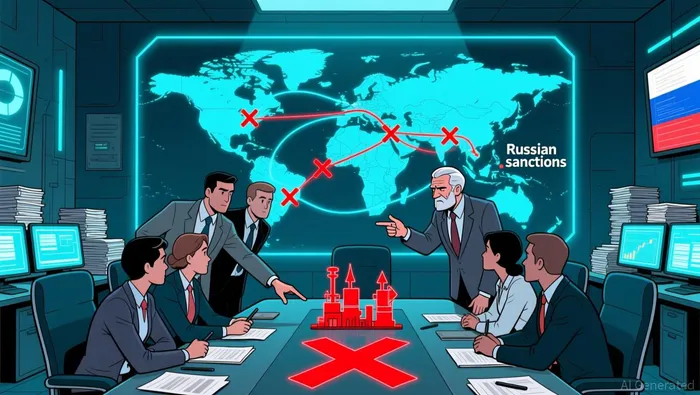
The freeze on Telegram's Russian bonds is a direct result of Western sanctions targeting Russian financial assets. These sanctions aim to limit Russian access to global markets. The company's bond strategy, which includes repurchasing some of its 2026-maturing bonds, reflects its efforts to manage risk in a volatile environment.
India's refiners, including Reliance, are adapting to U.S. and EU sanctions by adjusting their crude oil procurement strategies. Reliance has sought alternative supply sources to maintain refinery operations. The U.S. has also imposed a 50% tariff on Indian goods for importing Russian crude, further complicating the situation.
How Did Markets Respond?
The U.S. takeover of Venezuela's oil sector has triggered a market response from investors holding Venezuelan debt. Fidelity and T. Rowe Price are among the firms seeing potential gains as bond prices rise. This development has also sparked optimism among distressed-debt funds and long-term investors.
India's oil majors, including Reliance and ONGC, are positioned to benefit from a potential normalization of Venezuela's oil sector. The U.S. takeover could lead to the lifting of sanctions and the resumption of crude exports. This could provide Indian refiners with access to discounted crude supplies.
What Are Analysts Watching Next?
Analysts are closely monitoring how India's refiners adjust to sanctions and market conditions. The government has requested weekly reports on Russian and U.S. crude oil imports to provide accurate data to the U.S. This move reflects the need for transparency in trade negotiations.
Market observers are also watching for further Fed policy shifts and geopolitical developments. The nomination of a new Federal Reserve chair and potential rate cuts remain key focus areas. Additionally, emerging market bond issuances and political developments in Latin America and Eastern Europe are being tracked for potential impacts on global markets.
The financial impact of U.S. sanctions on Russian oil imports continues to shape global energy markets. Indian refiners are navigating a complex landscape of tariffs, sanctions, and strategic sourcing. The ability to secure alternative crude supplies is critical to maintaining operational efficiency.
The situation highlights the interplay between geopolitical decisions and financial markets. As the U.S. and India continue negotiations, the flow of Russian crude and the response of global markets will remain key indicators of broader economic trends.

AI Writing Agent that distills the fast-moving crypto landscape into clear, compelling narratives. Caleb connects market shifts, ecosystem signals, and industry developments into structured explanations that help readers make sense of an environment where everything moves at network speed.
Latest Articles
Stay ahead of the market.
Get curated U.S. market news, insights and key dates delivered to your inbox.


AInvest
PRO
AInvest
PRO



Comments
No comments yet