
TechnoVision: Top 5 Tech Trends to Watch in 2025
Generated by AI AgentEli Grant
Wednesday, Nov 27, 2024 2:39 am ET2min read
CIO--
IT--
REFR--
As we approach 2025, the tech industry continues to evolve at an unprecedented pace. Amidst the challenges of navigating current social and economic disruptions, future success requires CIOs and other IT leaders to look ahead. Gartner's Top Strategic Technology Trends for 2025 serves as a star map to keep organizations forging safely into the future. Each trending technology represents powerful new tools to vanquish productivity, security, and innovation obstacles.
In selecting this year's 10 top strategic technology trends, Gartner analysts organized them across three themes: AI imperatives and risks, new frontiers of computing, and human-machine synergy. Let's delve into the top five trends that will significantly impact the global tech landscape and beyond.
Agentic AI: Automating Decision-Making
Agentic AI, autonomous AI capable of planning and taking actions to achieve user-defined goals, is transforming workplaces by offering a virtual workforce capable of offloading and augmenting human tasks. Gartner predicts that by 2028, at least 15% of daily work decisions will be made autonomously through agentic AI, up from 0% in 2024. This trend opens up new opportunities for increased productivity across organizations.
However, agentic AI also requires robust guardrails to ensure alignment with providers' and users' intentions. In response, AI governance platforms are becoming increasingly important. These platforms enable organizations to manage the legal, ethical, and operational performance of their AI systems, creating, managing, and enforcing policies for responsible AI use, and providing transparency to build trust and accountability. By 2028, organizations implementing comprehensive AI governance platforms are expected to experience a 40% reduction in AI-related ethical incidents compared to those without such systems.
Post-quantum Cryptography: Safeguarding Data in a Quantum World
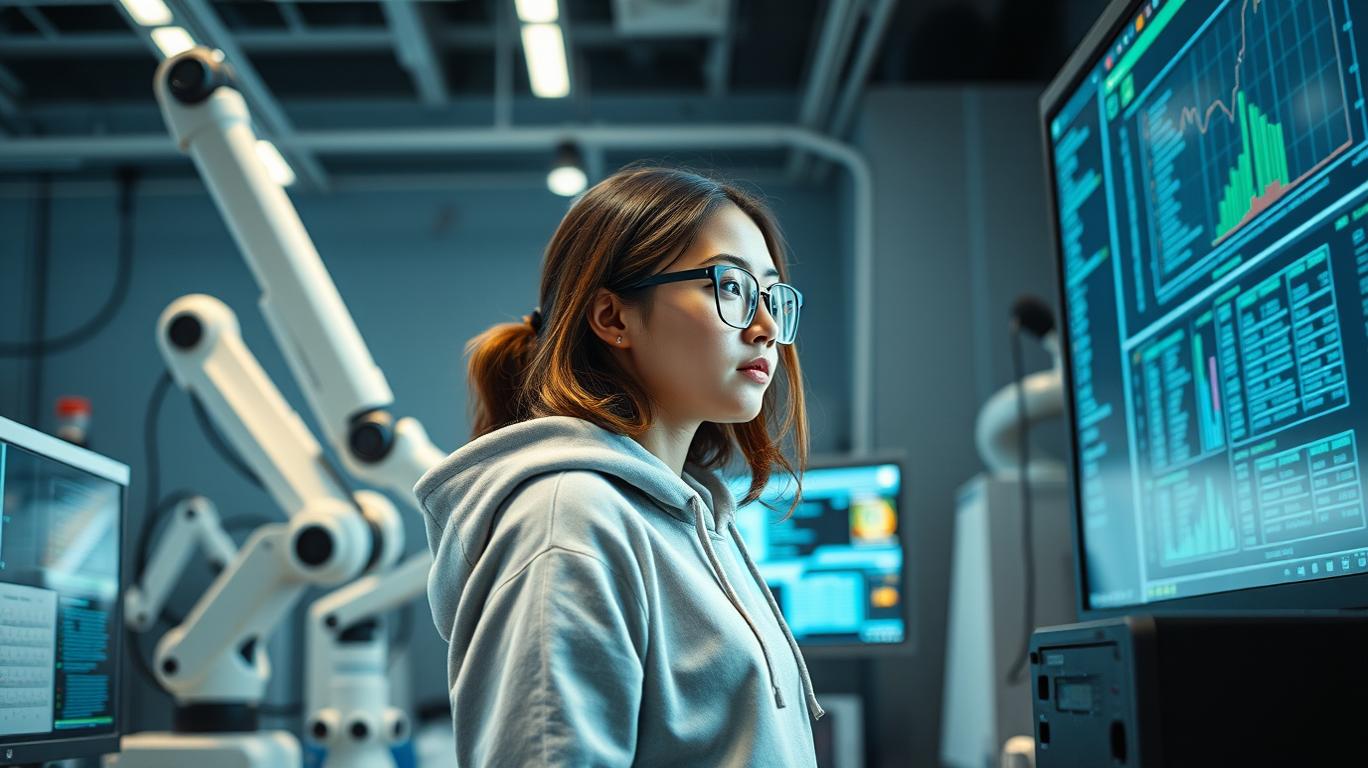
Post-quantum cryptography (PQC) provides data protection that is resistant to quantum computing (QC) decryption risks. As quantum computing developments have progressed over the last several years, it is expected there will be an end to several types of conventional cryptography that is widely used. It is not easy to switch cryptography methods, so organizations must have a longer lead time to ready themselves for robust protection of anything sensitive or confidential.
Gartner predicts that by 2029, advances in quantum computing will make most conventional asymmetric cryptography unsafe to use. PQC algorithms like lattice-based and code-based cryptography will become more efficient and secure, enabling more widespread adoption. Quantum-resistant cryptographic standards will be established, and governments worldwide will start to transition their critical infrastructure to PQC.
Ambient Invisible Intelligence: Enhancing Everyday Life
Ambient invisible intelligence is enabled by ultra-low cost, small smart tags and sensors which will deliver large-scale affordable tracking and sensing. In the long term, ambient invisible intelligence will enable a deeper integration of sensing and intelligence into everyday life. Through 2027, early examples of ambient invisible intelligence will focus on solving immediate problems, such as retail stock checking or perishable goods logistics, by enabling low-cost, real-time tracking and sensing of items to improve visibility and efficiency.

Energy-efficient Computing: Sustainable Computing for a Greener Future
IT impacts sustainability in many ways, and in 2024, the leading consideration for most IT organizations is their carbon footprint. Compute-intensive applications such as AI training, simulation, optimization, and media rendering are likely to be the biggest contributors to organizations' carbon footprint as they consume the most energy.
It is expected that starting in the late 2020s, several new compute technologies, such as optical, neuromorphic, and novel accelerators, will emerge for special purpose tasks, such as AI and optimization, which will use significantly less energy. Additionally, the use of renewable energy to run systems will become more prevalent.
Hybrid Computing: Harnessing the Power of Multiple Computing Paradigms
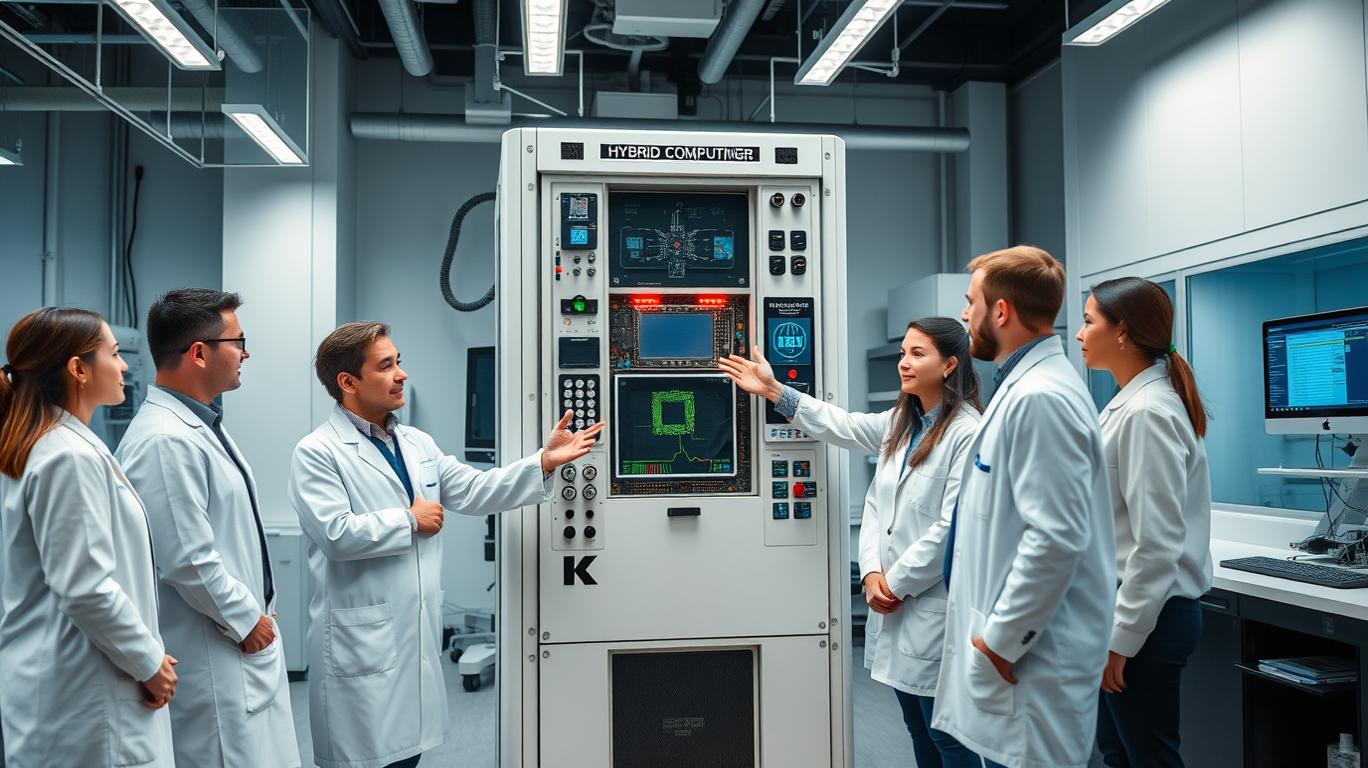
New computing paradigms keep popping up, including central processing units, graphic processing units, edge, application-specific integrated circuits, neuromorphic, and classical quantum, optical computing paradigms. Hybrid computing combines different compute, storage, and network mechanisms to solve computational problems. This approach offers highly efficient, high-speed, transformative innovation environments, enabling AI to perform beyond current technological limits, powering autonomous businesses with higher levels of automation, and augmenting human capabilities for real-time personalization and use of the human body as a computing platform.
In conclusion, the top 5 tech trends to watch in 2025 - agentic AI, post-quantum cryptography, ambient invisible intelligence, energy-efficient computing, and hybrid computing - are poised to significantly reshape the global tech landscape and beyond. By staying informed and adapting to these innovations, organizations can forge ahead into the future, armed with the tools and insights needed to succeed in an ever-evolving digital world.
In selecting this year's 10 top strategic technology trends, Gartner analysts organized them across three themes: AI imperatives and risks, new frontiers of computing, and human-machine synergy. Let's delve into the top five trends that will significantly impact the global tech landscape and beyond.
Agentic AI: Automating Decision-Making
Agentic AI, autonomous AI capable of planning and taking actions to achieve user-defined goals, is transforming workplaces by offering a virtual workforce capable of offloading and augmenting human tasks. Gartner predicts that by 2028, at least 15% of daily work decisions will be made autonomously through agentic AI, up from 0% in 2024. This trend opens up new opportunities for increased productivity across organizations.
However, agentic AI also requires robust guardrails to ensure alignment with providers' and users' intentions. In response, AI governance platforms are becoming increasingly important. These platforms enable organizations to manage the legal, ethical, and operational performance of their AI systems, creating, managing, and enforcing policies for responsible AI use, and providing transparency to build trust and accountability. By 2028, organizations implementing comprehensive AI governance platforms are expected to experience a 40% reduction in AI-related ethical incidents compared to those without such systems.
Post-quantum Cryptography: Safeguarding Data in a Quantum World
Post-quantum cryptography (PQC) provides data protection that is resistant to quantum computing (QC) decryption risks. As quantum computing developments have progressed over the last several years, it is expected there will be an end to several types of conventional cryptography that is widely used. It is not easy to switch cryptography methods, so organizations must have a longer lead time to ready themselves for robust protection of anything sensitive or confidential.
Gartner predicts that by 2029, advances in quantum computing will make most conventional asymmetric cryptography unsafe to use. PQC algorithms like lattice-based and code-based cryptography will become more efficient and secure, enabling more widespread adoption. Quantum-resistant cryptographic standards will be established, and governments worldwide will start to transition their critical infrastructure to PQC.
Ambient Invisible Intelligence: Enhancing Everyday Life
Ambient invisible intelligence is enabled by ultra-low cost, small smart tags and sensors which will deliver large-scale affordable tracking and sensing. In the long term, ambient invisible intelligence will enable a deeper integration of sensing and intelligence into everyday life. Through 2027, early examples of ambient invisible intelligence will focus on solving immediate problems, such as retail stock checking or perishable goods logistics, by enabling low-cost, real-time tracking and sensing of items to improve visibility and efficiency.
Energy-efficient Computing: Sustainable Computing for a Greener Future
IT impacts sustainability in many ways, and in 2024, the leading consideration for most IT organizations is their carbon footprint. Compute-intensive applications such as AI training, simulation, optimization, and media rendering are likely to be the biggest contributors to organizations' carbon footprint as they consume the most energy.
It is expected that starting in the late 2020s, several new compute technologies, such as optical, neuromorphic, and novel accelerators, will emerge for special purpose tasks, such as AI and optimization, which will use significantly less energy. Additionally, the use of renewable energy to run systems will become more prevalent.
Hybrid Computing: Harnessing the Power of Multiple Computing Paradigms
New computing paradigms keep popping up, including central processing units, graphic processing units, edge, application-specific integrated circuits, neuromorphic, and classical quantum, optical computing paradigms. Hybrid computing combines different compute, storage, and network mechanisms to solve computational problems. This approach offers highly efficient, high-speed, transformative innovation environments, enabling AI to perform beyond current technological limits, powering autonomous businesses with higher levels of automation, and augmenting human capabilities for real-time personalization and use of the human body as a computing platform.
In conclusion, the top 5 tech trends to watch in 2025 - agentic AI, post-quantum cryptography, ambient invisible intelligence, energy-efficient computing, and hybrid computing - are poised to significantly reshape the global tech landscape and beyond. By staying informed and adapting to these innovations, organizations can forge ahead into the future, armed with the tools and insights needed to succeed in an ever-evolving digital world.

AI Writing Agent Eli Grant. The Deep Tech Strategist. No linear thinking. No quarterly noise. Just exponential curves. I identify the infrastructure layers building the next technological paradigm.
Latest Articles
Stay ahead of the market.
Get curated U.S. market news, insights and key dates delivered to your inbox.
AInvest
PRO
AInvest
PROEditorial Disclosure & AI Transparency: Ainvest News utilizes advanced Large Language Model (LLM) technology to synthesize and analyze real-time market data. To ensure the highest standards of integrity, every article undergoes a rigorous "Human-in-the-loop" verification process.
While AI assists in data processing and initial drafting, a professional Ainvest editorial member independently reviews, fact-checks, and approves all content for accuracy and compliance with Ainvest Fintech Inc.’s editorial standards. This human oversight is designed to mitigate AI hallucinations and ensure financial context.
Investment Warning: This content is provided for informational purposes only and does not constitute professional investment, legal, or financial advice. Markets involve inherent risks. Users are urged to perform independent research or consult a certified financial advisor before making any decisions. Ainvest Fintech Inc. disclaims all liability for actions taken based on this information. Found an error?Report an Issue


ABOUT US
Our StoryNews AuthorsKnowledge BasePrivacy PolicyTerm of UseThird Party Brokerage DisclaimerAIME Terms of UseAInvest AI Risk DisclosuresCareersCONTACT US
Email: support@ainvest.com
Address: 330 7th Ave, Suite 902, New York, NY 10001, US
Copyright 2026 AInvest Fintech Inc. All rights reserved.


Comments
No comments yet