
Using Technical Patterns and Market Fundamentals to Analyze Commodity Trends
 Aime Summary
In the world of investing, understanding how to read the market can be the difference between a profitable trade and a missed opportunity. One powerful approach is to combine technical patterns—visual clues in price charts—with market fundamentals, which are the underlying economic factors affecting supply and demand. This article explains how these tools work together and how you can use them to make smarter commodity investment decisions.
What Are Technical Patterns and Market Fundamentals?
Technical analysis is a method of evaluating commodities by analyzing price charts and historical patterns. Common patterns include the 'head and shoulders,' 'cup and handle,' and 'triangle,' which can signal potential price movements. For example, a 'triangle pattern' often indicates a period of consolidation followed by a breakout in either direction.
Market fundamentals, on the other hand, focus on the real-world factors that influence a commodity's price. These include things like global supply levels, production costs, geopolitical events, and demand from key industries. For example, a shortage of crude oil due to geopolitical tensions can push prices up even if technical indicators suggest otherwise.
How to Apply the Tools in Real Life
When analyzing a commodity like gold or crude oil, investors often start by looking at technical patterns to identify potential entry or exit points. However, these patterns should not be used in isolation. For instance, if a technical chart shows a bullish pattern but the fundamentals point to declining demand or increased supply, it may be wise to avoid the trade.
A common strategy is to use technical indicators to time entries and exits while using fundamentals to determine the overall direction of the market. This dual approach helps investors make informed decisions with more confidence.
A Real-World Example: Crude Oil in 2020
During the early months of the COVID-19 pandemic, crude oil prices dropped dramatically. 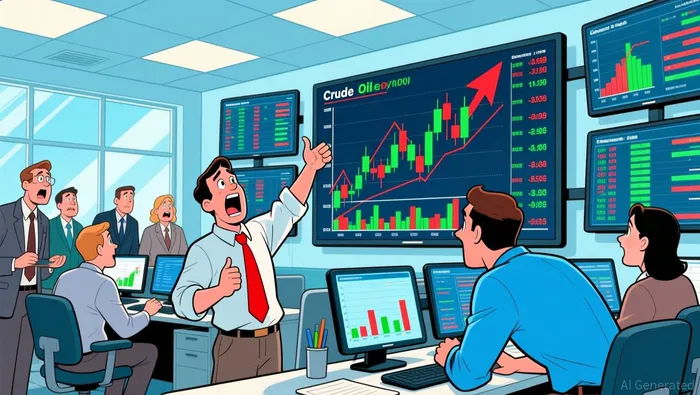 Technically, oil prices had broken key support levels and showed bearish patterns like a 'descending triangle.' But the fundamentals were even more telling: global demand had plummeted due to lockdowns and reduced travel.
However, by late 2020, as vaccines were developed and governments began to reopen economies, the fundamentals began to improve. This was reflected in price charts as well, with a bullish 'V-shaped' recovery forming. Investors who recognized both the technical and fundamental signals were able to position themselves for the upward trend.
Risks and Considerations
While combining technical and fundamental analysis is powerful, it’s not without risks. Technical patterns can sometimes be misleading, especially in highly volatile markets. Similarly, fundamentals can change rapidly due to unforeseen events like natural disasters or policy shifts. To mitigate these risks, investors should: - Continuously update their analysis with the latest data. - Diversify their investments to spread risk. - Set stop-loss orders to limit potential losses. - Stay informed about global news and economic reports.
A Visual Guide to Crude Oil Trends
Crude oil is among the most traded commodities, and understanding its price behavior can be complex. A visual representation of oil price trends helps investors see how market sentiment, geopolitical events, and economic data influence price movements. By overlaying technical patterns with real-time news events, a clear picture of the interplay between fundamentals and technical indicators can emerge.
Conclusion
Understanding both technical patterns and market fundamentals gives investors a clearer picture of commodity trends. By using technical analysis to identify timing and fundamentals to assess direction, you can make more informed and strategic investment decisions. As with any investment strategy, the key is to stay flexible, do your research, and always manage your risks wisely. With practice and patience, this approach can become a valuable tool in your investment journey.

Stay ahead of the market.
Get curated U.S. market news, insights and key dates delivered to your inbox.


AInvest
PRO
AInvest
PRO



Comments
No comments yet