
Using Technical Indicators to Spot Liquidity Squeezes in Trading
 Aime Summary
In trading, liquidity refers to how easily an asset can be bought or sold without significantly affecting its price. A liquidity squeeze occurs when there’s a sudden drop in trading activity, causing sharp price swings and making it harder to execute trades. This can trap investors in unfavorable positions. Fortunately, technical indicators—mathematical tools that analyze price and volume data—can help identify these squeezes early. Let’s explore how.
Understanding Technical Indicators and Liquidity
Technical indicators transform raw market data into actionable insights. For example, Bollinger Bands measure volatility by plotting price ranges, while On-Balance Volume (OBV) tracks cumulative volume to confirm trends. A liquidity squeeze often appears as a narrowing of price ranges (low volatility) or declining volume, signaling a lack of buyer-seller balance.
Key Indicators to Watch
- Bollinger Bands: When bands contract tightly around a price, it suggests consolidation—a potential precursor to a liquidity squeeze. A sudden breakout from this range can signal renewed liquidity.
- On-Balance Volume (OBV): If OBV declines while prices rise, it may indicate weak buying interest, hinting at an impending squeeze.
- Volume Profile: This tool shows where most trades occur. A sudden drop in volume at key price levels can signal a liquidity vacuum.
Strategies for Navigating Squeezes
- Avoid Overexposure: If indicators signal low liquidity, reduce position sizes or avoid entering trades until volatility increases.
- Use Stop-Loss Orders: Protect against sudden price gaps by setting stop-loss limits.
- Combine Indicators: Rely on multiple tools (e.g., Bollinger Bands + OBV) to confirm signals and reduce false readings.
Case Study: GameStop’s 2021 Liquidity Crisis
In early 2021, GameStop (GME) saw a viral surge in retail investor interest, causing its stock price to skyrocket from $20 to over $300 in days. However, the frenzy led to a liquidity crisis. Bollinger Bands showed extreme price expansion, while OBV spiked due to massive volume. 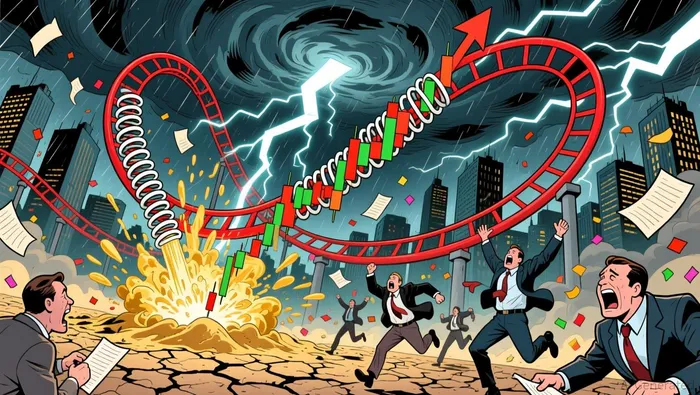 When the frenzy subsided, liquidity vanished: volume plummeted, and the stock dropped 60% in a week. Traders who recognized the liquidity squeeze early could have exited before the crash.
Risks and Mitigation
Technical indicators are not infallible. A liquidity squeeze signal might be a false alarm, or market fundamentals (e.g., earnings reports) could override technical cues. To mitigate risks: - Diversify: Avoid overconcentration in assets prone to liquidity issues (e.g., small-cap stocks). - Stay Informed: Combine technical analysis with news and earnings data. - Practice Patience: Wait for confirmation signals before acting.
Conclusion
Liquidity squeezes can destabilize even the most well-planned trades. By monitoring technical indicators like Bollinger Bands, OBV, and volume profiles, investors can spot early warning signs and adjust their strategies accordingly. Remember, no tool is perfect—pair these insights with thorough research and risk management to navigate volatile markets confidently. Understanding liquidity is not just about avoiding pitfalls; it’s about identifying opportunities when others panic.

Stay ahead of the market.
Get curated U.S. market news, insights and key dates delivered to your inbox.


AInvest
PRO
AInvest
PRO



Comments
No comments yet