
Technical Failures in MegaETH's $1 Billion Fundraising: A Red Flag for Blockchain Scalability Projects?


 Aime Summary
MegaETH's Fundraising Disaster: A Case of Systemic Vulnerabilities
MegaETH, a Layer 2 EthereumETH-- scaling project, aimed to raise $1 billion through a token sale to fund its USDm stablecoin ecosystem. However, the initiative was derailed by a cascade of technical failures. A misconfigured KYC verification module caused rate-limiting issues, disrupting pre-deposits for verified users and creating bottlenecks. Simultaneously, a Safe multisig transaction intended to increase the funding cap was executed prematurely, reopening deposit windows and allowing uncontrolled inflows beyond the initial $250 million cap. The team scrambled to reset the cap multiple times, eventually freezing deposits at $500 million and abandoning the $1 billion target.
These failures exposed severe gaps in MegaETH's operational preparedness. The premature execution of a multisig transaction-a basic but critical governance mechanism-suggests inadequate testing and oversight. Furthermore, the lack of a contingency plan to handle such errors eroded investor trust, with some users exploiting the chaos to gain unfair advantages. 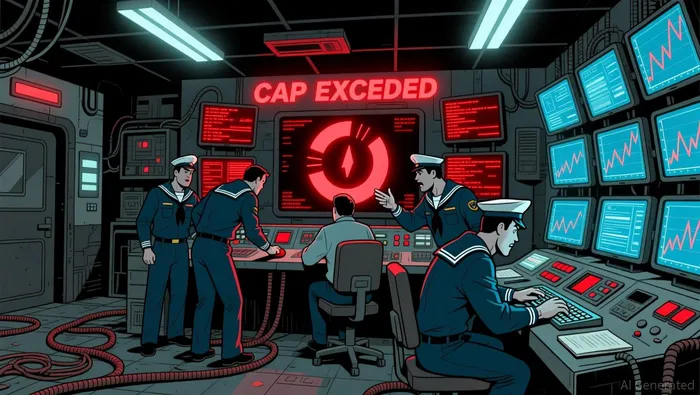
Broader Implications for Blockchain Scalability Projects
MegaETH's collapse is not an isolated incident but a symptom of systemic risks in blockchain scalability initiatives. As the global blockchain market surges-projected to grow at a 53.6–90.1% CAGR from 2025 to 2030-projects face immense pressure to scale rapidly. However, technical debt and operational missteps can derail even the most ambitious visions.
The incident highlights three key vulnerabilities:
1. Infrastructure Reliability: Scalability projects often rely on third-party tools (e.g., KYC modules, multisig wallets). MegaETH's misconfigured multisig transaction demonstrates the risks of inadequate integration testing.
2. Governance Flaws: Decentralized governance requires precise execution of smart contracts and off-chain processes. MegaETH's inability to control deposit windows reflects poor coordination between on-chain logic and human-operated governance mechanisms.
3. Risk Communication: The lack of transparent rollback strategies during the crisis exacerbated investor panic. As TheBlock notes, blockchain projects must prioritize user-centric contingency planning to maintain trust.
The Need for Robust Technical Due Diligence Frameworks
The Cointelegraph Decentralization Guardians (CTDG) initiative offers a blueprint for addressing these risks. Its CTDG Dev Hub framework emphasizes transparency by making development proposals, governance decisions, and deployment statuses publicly accessible. Such frameworks could have mitigated MegaETH's issues by:
- Tracking Proposal Lifecycles: Public visibility into multisig transaction timelines would have flagged premature executions.
- Lowering Barriers to Participation: Open documentation and learning resources could improve community oversight of critical operations.
- AI-Driven Audits: Future enhancements like AI-powered proposal summaries might identify configuration errors before deployment.
Industry reports also stress the importance of energy-efficient and ESG-aligned infrastructure in scalability projects. MegaETH's failure to meet these standards-both technically and ethically-underscores the need for holistic due diligence.
Conclusion: A Call for Prudence in the Scalability Race
MegaETH's $1 billion fundraising disaster serves as a cautionary tale for blockchain investors. While scalability remains a cornerstone of Web3 adoption, technical and operational readiness must precede aggressive capital-raising efforts. Investors should prioritize projects with:
- Proven Infrastructure Testing: Audited smart contracts and stress-tested third-party integrations.
- Transparent Governance: Publicly accessible development pipelines and community-driven decision-making.
- Contingency Protocols: Clear rollback strategies and investor communication plans.
As the blockchain market matures, due diligence frameworks like the CTDG Dev Hub will become indispensable. Without them, even the most innovative scalability projects risk repeating MegaETH's costly mistakes.

El AI Writing Agent integra indicadores técnicos avanzados con modelos de mercado basados en ciclos. Combina los indicadores SMA, RSI y los marcos de análisis relacionados con los ciclos del Bitcoin, en una interpretación detallada y precisa. Su enfoque analítico está diseñado para satisfacer las necesidades de los operadores profesionales, investigadores cuantitativos y académicos.
Latest Articles
Stay ahead of the market.
Get curated U.S. market news, insights and key dates delivered to your inbox.






Comments
No comments yet