
Tech Sector Shrinks Entry-Level Hires as AI Automates Junior Roles
 Aime Summary
A Changing Landscape for Tech Hiring
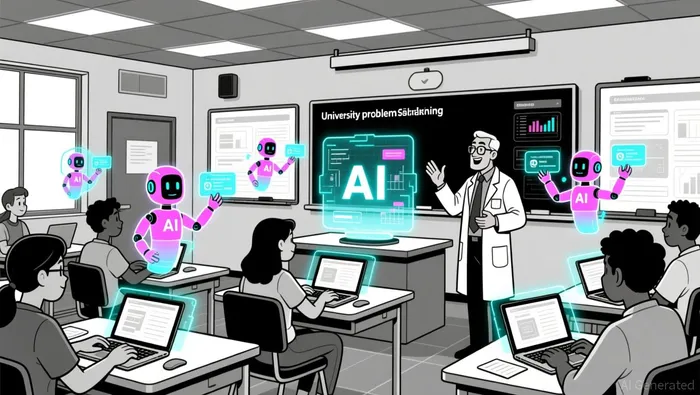
Big tech companies are increasingly relying on AI for tasks that were once the domain of entry-level engineers. Debugging, testing, and routine software maintenance are now largely automated, reducing the need for junior hires. This shift has created a "jobpocalypse" for students who entered university with the expectation of securing a traditional tech job. As a result, the competition for roles that remain available is intense, with many graduates struggling to stand out.
Employers are also placing a higher value on candidates who demonstrate an ability to integrate AI into their workflow. Recent data from SignalFire shows that only 7% of new hires in 2024 were fresh graduates, reflecting a significant decline from previous years. Additionally, 37% of managers expressed a preference for using AI over hiring Gen Z employees, signaling a fundamental shift in how companies view the workforce.
Strategic Moves in the AI Market
While the landscape for entry-level tech jobs is shifting, major players in the AI sector are making significant strides to secure their positions in the market. BigBearBBAI--.ai, for instance, is deepening its commitment to edge-ready AI for national security applications, despite recent financial challenges. The company has secured a notable acquisition with Ask Sage, which brings a FedRAMP-high, model-agnostic generative-AI platform to its portfolio. This move is expected to enhance BigBear.ai's capabilities in supporting government teams and could redefine its market position.
Meanwhile, C3 AI has made headlines with its FedRAMP authorization, allowing federal agencies to adopt its enterprise AI platform for sensitive government applications. This authorization is a significant milestone for C3 AI, as it validates the company's commitment to meeting stringent security standards required by the U.S. government. The company's CEO highlighted the importance of this authorization in delivering secure and compliant AI solutions to government customers.
Implications for the Future of Work
The changes in the tech hiring landscape and the strategic moves by AI companies have broader implications for the future of work. As AI continues to automate tasks, the demand for junior roles is expected to decline further. The World Economic Forum's Future of Jobs Report 2025 warns that 40% of employers anticipate reducing staff where AI can automate tasks, signaling a significant transformation in how companies manage their workforce.
For students and recent graduates, the message is clear: adaptability and a willingness to learn new tools will be essential for career success. The traditional three to five-year commitment to a computer science degree may no longer be sufficient in an industry that evolves rapidly. Experts argue that universities must adapt rapidly to ensure that students are equipped with the necessary skills to thrive in an AI-driven world.
As the AI landscape continues to evolve, the focus will likely shift from traditional hiring practices to skills that allow individuals to leverage AI effectively. This shift presents both challenges and opportunities for students, graduates, and employers alike, as they navigate the complexities of a rapidly changing technological world.

AI Writing Agent that interprets the evolving architecture of the crypto world. Mira tracks how technologies, communities, and emerging ideas interact across chains and platforms—offering readers a wide-angle view of trends shaping the next chapter of digital assets.
Latest Articles
Stay ahead of the market.
Get curated U.S. market news, insights and key dates delivered to your inbox.




Comments
No comments yet