
Tech Outage Grounds 34% of United Airlines Flights, FAA Assists in Recovery Efforts
 Aime Summary
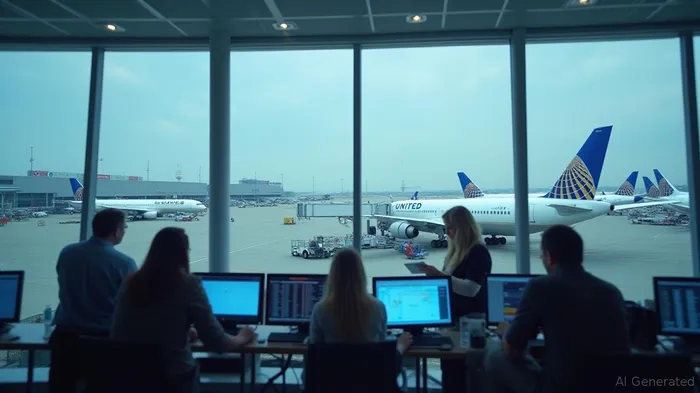
United Airlines faced significant operational challenges when a tech issue led to the grounding of flights nationwide. The disruption occurred due to a major outage in the airline’s computer system, particularly the one managing weight and balance calculations, and it affected the carrier's mainline operations. Flights that were already airborne remained unaffected. The issue started around 6 p.m. ET and was resolved within several hours, with United working to restore regular operations amid lingering delays.
The Federal Aviation Administration (FAA) was actively involved, issuing ground stops for United flights at major hubs such as Chicago, Denver, Newark, Houston, and San Francisco. The FAA acknowledged the disruption and offered support to expedite the recovery process, stressing that the issue was specific to United and did not relate to broader air traffic control systems.
United Airlines confirmed that the incident was not a cyberattack, alleviating concerns about industry-wide cybersecurity threats. The company assured travelers that the issue was treated as a controllable delay, with measures in place to cover customer expenses, including meals and hotel accommodations, where applicable.
Throughout the disruption, passengers experienced considerable inconvenience, from lengthy tarmac delays at Chicago O’Hare Airport to significant travel interruptions across multiple major airports in the U.S. Travelers took to social media, expressing frustration over the deficiencies in communication and extended wait times. Many reported uncomfortable conditions on planes stuck at gates awaiting clearance.
United's internal system known as Unimatic, responsible for housing flight details and feeding information to related systems, was identified as the source of the outage. Despite an immediate response and resolution from United, the ripple effects persisted, with residual flight delays continuing into the following day. Executives emphasized that safety remained a top priority and pledged ongoing efforts to rectify the service backlog.
A related statement by U.S. Transportation Secretary Sean Duffy emphasized that the technical issues were isolated within United's operations and had no connection to the broader national air traffic system. The Secretary had been briefed on the internal tech outage, reiterating that the FAA maintained close contact with United.
Flight disruption data revealed that approximately 34% of United Airlines’ flights were delayed, while cancellations impacted hundreds of departures from Wednesday evening into Thursday morning. Compensation strategies by United, particularly covering affected customers' expenses, aimed to mitigate the travelers' discontent. However, travelers were advised to remain attentive to potential changes or updates affecting their itineraries.
Ultimately, United AirlinesUAL-- resumed normal operations after addressing the underlying technical problem and continued working to lessen residual delays impacting future flights. While the tech issue was resolved promptly, the event underscored vulnerabilities within airline systems, urging operational resilience against potential tech-related disruptions.

Stay ahead of the market.
Get curated U.S. market news, insights and key dates delivered to your inbox.
AInvest
PRO
AInvest
PRO



Comments
No comments yet