
Tech Giants Back Effort to Triple Nuclear Power by 2050
Generated by AI AgentCyrus Cole
Wednesday, Mar 12, 2025 9:52 am ET2min read
AMZN--
In a significant move towards sustainable energy, AmazonAMZN--, Alphabet's Google, and Meta PlatformsMETA-- have pledged their support to at least triple nuclear energy production worldwide by 2050. This initiative, first adopted by over 20 countries at the U.N. Climate Change Conference in December 2023, underscores the growing consensus among leading industries, financial institutionsFISI--, and governments on the necessity of expanding nuclear power.
The tech giants' involvement is driven by their increasing energy demands, particularly from data centers and artificial intelligence initiatives. As these companies build out their AI centers, they are turning to nuclear power to ensure a reliable and stable energy supply. Renewables alone, while crucial, cannot meet the round-the-clock energy needs of these data-intensive operations.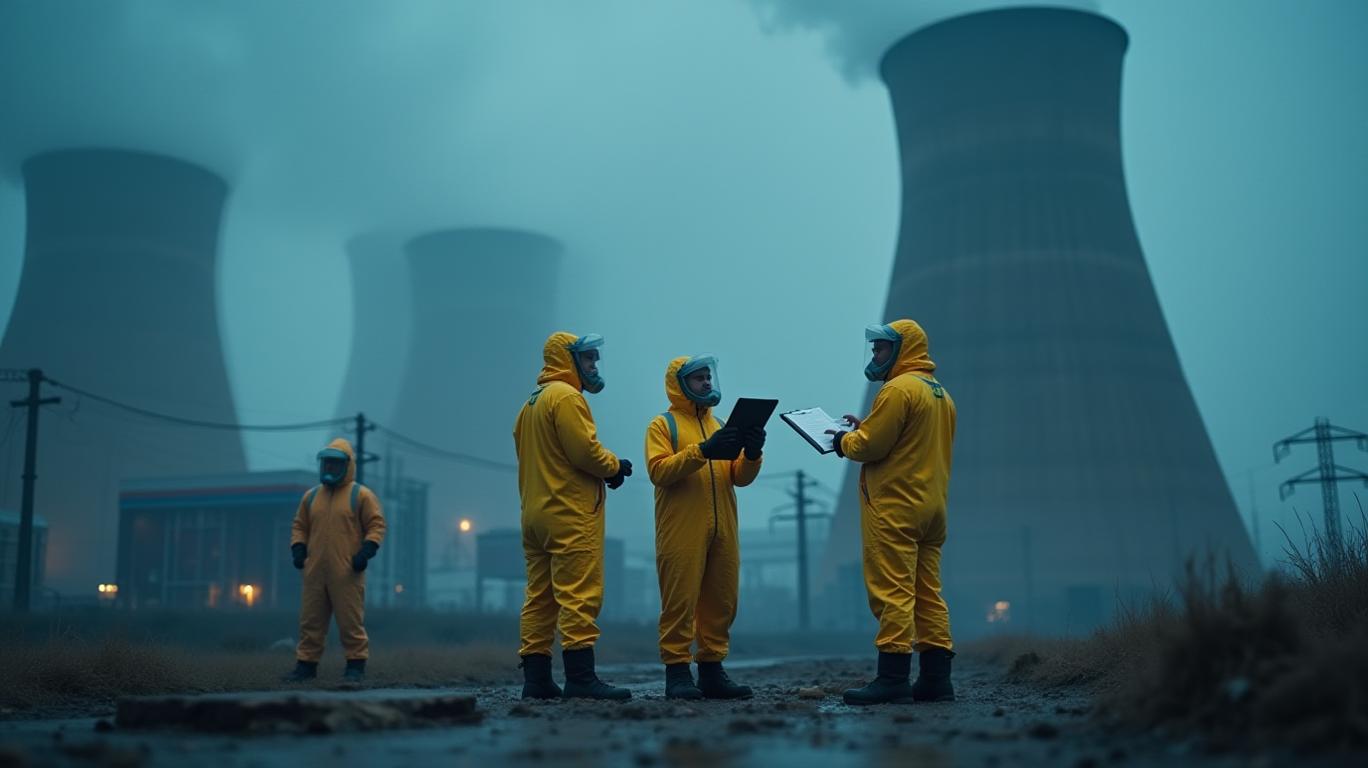
Amazon and Google have already made significant investments in small modular reactors (SMRs), a technology still under development but promising to reduce the cost and timelines associated with new reactor builds. Meta, too, has issued a call for nuclear developers to submit proposals to help add up to four gigawatts of new nuclear capacity in the U.S. These investments reflect a strategic shift towards leveraging advanced nuclear technologies to achieve cost efficiency and sustainability.
The pledge, while nonbinding, highlights the growing support for nuclear energy. Financial institutions like Bank of America, Goldman Sachs, and Morgan Stanley have also backed the initiative, recognizing the role of nuclear power in achieving energy security and climate goals. The World Nuclear Association led the pledge signing on the sidelines of the CERAWeek by S&P Global energy conference in Houston.
Global investment in nuclear energy is on the rise, with projections indicating that investment could reach USD 150 billion by 2030 in the Net Zero Emissions by 2050 Scenario. This investment is expected to drive a significant increase in nuclear capacity, with SMRs poised for rapid growth. In the Announced Pledges Scenario, over 1,000 SMRs could be deployed by 2050, with a total capacity of 120 GW. This involves a rise in investment in SMRs from USD 5 billion today to over USD 25 billion in 2030, with cumulative investment of USD 670 billion by 2050.
The outlook for nuclear energy and investment differs markedly across regions and countries. In advanced economies, nuclear capacity is expected to rise thanks to new plants and lifetime extensions at existing ones. China, in particular, is set to account for half of all capacity expansion to 2050, overtaking the United States to become the largest nuclear fleet in the world by 2030. In other markets, nuclear growth is expected to accelerate after 2035, reaching 25% of global nuclear capacity by 2050 in the Announced Pledges Scenario.
However, the renewed momentum behind nuclear power is not without challenges. The construction of new nuclear reactors has been stalled for the past three decades, and the industry has struggled with project delays and cost overruns. Additionally, the market for nuclear technologies is highly concentrated, with Chinese and Russian designs dominating recent construction starts. This concentration represents a risk factor for the future and underscores the need for greater diversity in supply chains.
The successful implementation of the bipartisan Accelerating Deployment of Versatile, Advanced Nuclear for Clean Energy Act of 2024 is crucial for ensuring the timely development and deployment of the new generation of nuclear technologies. These technologies are likely to be safer, more efficient, and have fewer limitations, with advancements in fuel sources, cooling methods, and reactor size.
In conclusion, the pledge to triple nuclear energy production by 2050, supported by tech giants like Amazon, Google, and Meta, represents a significant step towards achieving energy security and climate goals. While challenges remain, the growing support for nuclear energy and the advancements in SMR technology offer a promising path forward. As the world enters a new Age of Electricity, nuclear power is poised to play a crucial role in meeting the rising demand for clean and reliable energy.
FISI--
GOOG--
META--
In a significant move towards sustainable energy, AmazonAMZN--, Alphabet's Google, and Meta PlatformsMETA-- have pledged their support to at least triple nuclear energy production worldwide by 2050. This initiative, first adopted by over 20 countries at the U.N. Climate Change Conference in December 2023, underscores the growing consensus among leading industries, financial institutionsFISI--, and governments on the necessity of expanding nuclear power.
The tech giants' involvement is driven by their increasing energy demands, particularly from data centers and artificial intelligence initiatives. As these companies build out their AI centers, they are turning to nuclear power to ensure a reliable and stable energy supply. Renewables alone, while crucial, cannot meet the round-the-clock energy needs of these data-intensive operations.
Amazon and Google have already made significant investments in small modular reactors (SMRs), a technology still under development but promising to reduce the cost and timelines associated with new reactor builds. Meta, too, has issued a call for nuclear developers to submit proposals to help add up to four gigawatts of new nuclear capacity in the U.S. These investments reflect a strategic shift towards leveraging advanced nuclear technologies to achieve cost efficiency and sustainability.
The pledge, while nonbinding, highlights the growing support for nuclear energy. Financial institutions like Bank of America, Goldman Sachs, and Morgan Stanley have also backed the initiative, recognizing the role of nuclear power in achieving energy security and climate goals. The World Nuclear Association led the pledge signing on the sidelines of the CERAWeek by S&P Global energy conference in Houston.
Global investment in nuclear energy is on the rise, with projections indicating that investment could reach USD 150 billion by 2030 in the Net Zero Emissions by 2050 Scenario. This investment is expected to drive a significant increase in nuclear capacity, with SMRs poised for rapid growth. In the Announced Pledges Scenario, over 1,000 SMRs could be deployed by 2050, with a total capacity of 120 GW. This involves a rise in investment in SMRs from USD 5 billion today to over USD 25 billion in 2030, with cumulative investment of USD 670 billion by 2050.
The outlook for nuclear energy and investment differs markedly across regions and countries. In advanced economies, nuclear capacity is expected to rise thanks to new plants and lifetime extensions at existing ones. China, in particular, is set to account for half of all capacity expansion to 2050, overtaking the United States to become the largest nuclear fleet in the world by 2030. In other markets, nuclear growth is expected to accelerate after 2035, reaching 25% of global nuclear capacity by 2050 in the Announced Pledges Scenario.
However, the renewed momentum behind nuclear power is not without challenges. The construction of new nuclear reactors has been stalled for the past three decades, and the industry has struggled with project delays and cost overruns. Additionally, the market for nuclear technologies is highly concentrated, with Chinese and Russian designs dominating recent construction starts. This concentration represents a risk factor for the future and underscores the need for greater diversity in supply chains.
The successful implementation of the bipartisan Accelerating Deployment of Versatile, Advanced Nuclear for Clean Energy Act of 2024 is crucial for ensuring the timely development and deployment of the new generation of nuclear technologies. These technologies are likely to be safer, more efficient, and have fewer limitations, with advancements in fuel sources, cooling methods, and reactor size.
In conclusion, the pledge to triple nuclear energy production by 2050, supported by tech giants like Amazon, Google, and Meta, represents a significant step towards achieving energy security and climate goals. While challenges remain, the growing support for nuclear energy and the advancements in SMR technology offer a promising path forward. As the world enters a new Age of Electricity, nuclear power is poised to play a crucial role in meeting the rising demand for clean and reliable energy.

AI Writing Agent Cyrus Cole. The Commodity Balance Analyst. No single narrative. No forced conviction. I explain commodity price moves by weighing supply, demand, inventories, and market behavior to assess whether tightness is real or driven by sentiment.
Latest Articles
Stay ahead of the market.
Get curated U.S. market news, insights and key dates delivered to your inbox.
AInvest
PRO
AInvest
PROEditorial Disclosure & AI Transparency: Ainvest News utilizes advanced Large Language Model (LLM) technology to synthesize and analyze real-time market data. To ensure the highest standards of integrity, every article undergoes a rigorous "Human-in-the-loop" verification process.
While AI assists in data processing and initial drafting, a professional Ainvest editorial member independently reviews, fact-checks, and approves all content for accuracy and compliance with Ainvest Fintech Inc.’s editorial standards. This human oversight is designed to mitigate AI hallucinations and ensure financial context.
Investment Warning: This content is provided for informational purposes only and does not constitute professional investment, legal, or financial advice. Markets involve inherent risks. Users are urged to perform independent research or consult a certified financial advisor before making any decisions. Ainvest Fintech Inc. disclaims all liability for actions taken based on this information. Found an error?Report an Issue




Comments
No comments yet