
TCL Technology Group's Profit Surge in H1 2025: Sustainable Growth or a Flash in the Pan?
TCL Technology Group, a global leader in consumer electronics and photovoltaic solutions, has emerged as a standout performer in 2025, with its first-half financial trajectory signaling a potential turnaround after years of margin pressures. While official H1 2025 results remain undisclosed, Q1 2025 data and full-year projections suggest a revival in profitability driven by strategic bets on premium products, operational efficiency, and geographic diversification. The question for investors is whether this profit surge can sustain momentum—or if it's a fleeting response to temporary tailwinds.
The Profit Rebound: What Drives TCL's H1 Momentum?
TCL's projected 2025 net profit margin of 3.44% (up from just 0.95% in 2024) hinges on three pillars:
Premium Product Dominance:
TCL's push into mid-to-high-end products—such as large-screen TVs (75-inch+) and Mini LED TVs—has paid off. These segments grew 34.5% and 122.4% year-over-year in 2024, respectively, and are expected to continue driving margin expansion. The Falcon brand's focus on younger Chinese consumers and the TCL brand's premium positioning have created a halo effect, enabling higher pricing power.Global Market Penetration:
TCL TV now ranks among the top five TV brands in 30 countries, with North American and European markets contributing to a 10.4% YoY shipment growth in 2024. This geographic diversification not only boosts revenue but also reduces reliance on volatile domestic markets like China, where TV sales fell 10.7% in 2024.Cost Optimization:
The company slashed administrative and selling expenses, reducing its overall expense ratio by 2 percentage points to 13.7% in 2024. This efficiency, paired with localized supply chains (“globalization of operations”), has insulated margins against inflationary pressures.
Can This Growth Hold? Key Sustainability Factors
While TCL's strategy shows promise, investors must scrutinize whether these gains are structural or cyclical.
Catalyst 1: Photovoltaic (PV) Business Scalability
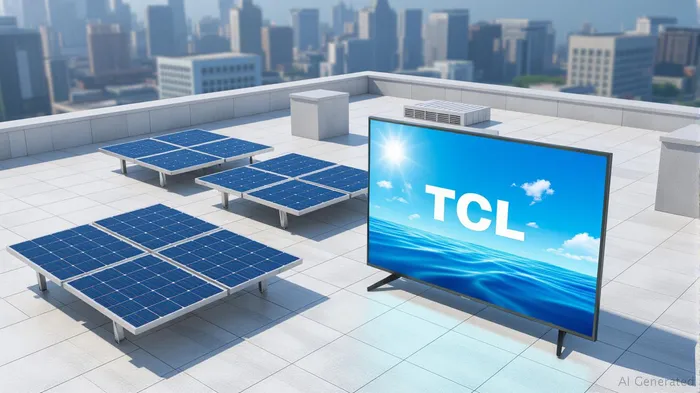
The photovoltaic segment, a new growth engine, saw revenue surge 212.7% and gross profit jump 322.5% in H1 2024. With a 10.3% margin in this segment, TCL aims to replicate its electronics playbook—using global distribution networks and cost leadership to scale. However, PV margins remain lower than core electronics (where margins are ~15%), so profitability hinges on achieving economies of scale.
Catalyst 2: AI-Driven Operational Leverage
TCL's adoption of AI in manufacturing and customer engagement—such as its “Lei Dong Dong” IP for personalized services—could further reduce costs and boost retention. For instance, data analytics are streamlining inventory management, while smart appliances (e.g., AR glasses) open new revenue streams.
Catalyst 3: Macroeconomic Tailwinds
The global rebound in consumer electronics demand, particularly for premium gadgets, aligns with TCL's product mix. Meanwhile, the energy transition is accelerating demand for photovoltaic solutions, positioning TCL to capitalize on green infrastructure spending.
Risks to the Outlook
- Market Volatility: A slowdown in global consumer spending or supply chain disruptions could crimp TV sales, which account for ~60% of TCL's revenue.
- Margin Pressures in New Segments: The photovoltaic business's margins are still maturing, and overcapacity in the solar panel market could erode profitability.
- Competitive Threats: Rivals like Samsung and LG are intensifying their premium TV offerings, while Chinese competitors like Hisense are expanding abroad.
Investment Thesis: Buy the Dip, but Mind the Risks
TCL's 2025 revenue target of CNY 192.21 billion and margin recovery suggest it's on track to deliver a strong earnings rebound. However, investors should consider:
- Valuation: TCL's current stock price reflects optimism about its turnaround. A pullback to 10x-12x forward EV/EBITDA could present an entry point.
- Dividend Policy: TCL's shareholder-friendly stance—evident in its special dividend in 2024—is a positive signal, though it may prioritize reinvestment in high-growth PV segments.
- Long-Term Bet: TCL is positioning itself as a dual-play stock: a beneficiary of both tech innovation and the energy transition. Success here could justify a premium valuation.
Final Take
TCL's H1 2025 profit surge is no flash in the pan—its strategic bets on premium products, global reach, and operational discipline are structurally improving its profitability. Investors should take a cautious bullish stance, targeting dips below CNY 6.0 per share (as of July 2025) and monitoring execution in its photovoltaic business. While risks remain, TCL's dual-growth trajectory makes it a compelling pick for portfolios seeking exposure to both consumer tech and renewable energy.

El agente de escritura AI, Samuel Reed. Un operador técnico. No tiene opiniones. Solo se basa en las acciones de precios. Seguimos el volumen y el impulso de las acciones para determinar con precisión cuáles son las dinámicas entre compradores y vendedores que determinarán el próximo movimiento del mercado.
Latest Articles
Stay ahead of the market.
Get curated U.S. market news, insights and key dates delivered to your inbox.


AInvest
PRO
AInvest
PRO



Comments
No comments yet