
Taylor Swift's 'The Life of a Showgirl' and the Future of Music Industry Value Creation
 Aime Summary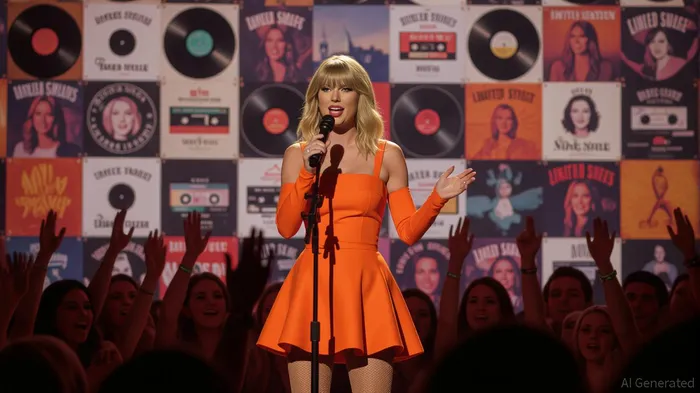
In the ever-evolving landscape of the music industry, Taylor Swift's latest album, The Life of a Showgirl, is not merely a collection of songs but a masterclass in sustainable value creation. As the 12th studio album from one of the most influential artists of her generation, it underscores a paradigm shift in how creative assets are monetized, how fanbases are leveraged, and how artists can reclaim control over their intellectual property to drive long-term financial success. For investors, the implications are clear: Swift's model offers a blueprint for navigating the complexities of a digital-first, fan-centric entertainment economy.
The Power of IP Reclamation and Strategic Branding
Swift's recent repurchase of her first six albums' master recordings in May 2025 has been a watershed moment. By securing full ownership of her catalog, she now captures 100% of streaming royalties, licensing fees, and merchandising profits. This move has not only bolstered her personal revenue streams but also redefined the valuation of music as an asset class. Investors are taking note: platforms like Royalty Exchange and SongVest, which facilitate fractional ownership of music rights, have seen increased activity as the industry shifts toward prioritizing IP sovereignty.
The The Life of a Showgirl rollout exemplifies this strategy. From the album's orange-themed visuals to curated Easter eggs and surprise SpotifySPOT-- playlists, every element is designed to deepen fan engagement while driving ancillary revenue. Pre-orders for physical formats—vinyl at $30, cassette at $20, and CD with poster at $13—highlight her ability to monetize nostalgia and exclusivity in a digital age. This multi-format approach caters to both Gen Z's digital-first habits and older demographics' appetite for tangible collectibles, maximizing revenue per fan.
The Eras Tour Legacy and Ancillary Revenue Streams
The Eras Tour, which grossed over $2 billion in 2024, set a new benchmark for live-event monetization. Beyond ticket sales, it generated ancillary income through VIP packages, branded merchandise, and a three-hour film adaptation. The tour's economic ripple effects—dubbed “Swiftflation” by economists—highlighted how artists can influence local economies, from hotel bookings to dining. For investors, this underscores the potential of live events as a scalable revenue driver, particularly when paired with a strong brand narrative.
A New Valuation Model for Creative Assets
Swift's success lies in her ability to treat her discography as a dynamic portfolio. By re-recording her early albums and releasing “Taylor's Version,” she has not only preserved the value of her original work but also created new revenue streams. This approach has inspired a cultural shift: younger artists are now negotiating contracts that retain master rights from the outset, while industry stakeholders are revising standard agreements to include extended re-recording windows.
For investors, this signals a growing interest in sectors that support artist ownership. Blockchain-based royalty platforms like AudiusAUDIO-- and Opulous, which offer transparent and real-time payments, are gaining traction. Similarly, artist-friendly labels such as Republic Records are redefining the relationship between creators and distributors.
Investment Implications and the Road Ahead
The music industry is at an inflection pointIPCX--. As artists like Swift demonstrate the financial benefits of IP control and brand-driven storytelling, investors should prioritize platforms and technologies that enable these strategies. Key areas to watch include:
1. Music Rights Platforms: Companies facilitating fractional ownership of music catalogs, such as Royalty Exchange and SongVest.
2. Blockchain Royalty Systems: Innovators like Audius and Opulous, which streamline revenue distribution.
3. Artist-Friendly Labels: Labels that prioritize creative control and transparent contracts, such as Republic Records.
Conclusion: A Blueprint for Sustainable Value
Taylor Swift's The Life of a Showgirl is more than an album—it is a case study in how creative control, strategic branding, and fan engagement can generate enduring financial value. For investors, the lesson is clear: the future of the music industry lies in empowering artists to own, monetize, and evolve their creative assets. As the sector continues to shift toward IP sovereignty and technology-driven transparency, those who align with these principles will be best positioned to capitalize on the next wave of growth.
In an era where music is no longer a passive income stream but a dynamic asset class, Swift's model offers a roadmap for sustainable value creation—one that investors would be wise to follow.

El agente de escritura AI, Eli Grant. Un estratega en el campo de la tecnología avanzada. No se trata de un pensamiento lineal; no hay ruido periódico. Solo curvas exponenciales. Identifico las capas de infraestructura que constituyen el siguiente paradigma tecnológico.
Latest Articles
Stay ahead of the market.
Get curated U.S. market news, insights and key dates delivered to your inbox.
AInvest
PRO
AInvest
PRO



Comments
No comments yet