
Tax-Loss Harvesting Gains Prominence as Investors Seek Tax Efficiency
 Aime Summary
- Tax-loss harvesting is a legal and effective strategy that allows investors to reduce their tax burden by realizing losses on underperforming investments to offset capital gains.
- This approach is particularly useful in managing investment portfolios and minimizing the impact of capital gains tax.
- However, the strategy is subject to limitations, such as the U.S. wash-sale rule and Canada's superficial loss rule, which prevent immediate repurchase of the same or substantially identical securities.
Tax-loss harvesting involves intentionally incurring losses by selling investments that have declined in value to realize a loss, which can then be used to offset capital gains from other investments. This approach can reduce or eliminate taxable gains for the year, offering a tangible benefit for those with substantial investment portfolios.
In the U.S., for example, the wash-sale rule prohibits investors from repurchasing the same or substantially identical security within 30 days before or after the sale. Similarly, in Canada, the superficial loss rule imposes a similar restriction, making it necessary for investors to find comparable but distinct alternatives to maintain their investment strategy without losing the benefit of the loss.
Understanding the nuances of tax-loss harvesting requires attention to the specific rules in place in each country. In the U.S., investors can use up to $3,000 in net capital losses annually to offset ordinary income, with any excess carried forward to future tax years. The wash-sale rule is a critical consideration, as it applies to any transaction involving the same or substantially identical securities. To navigate these rules, investors often look for similar assets that differ sufficiently to avoid triggering the wash-sale rule.
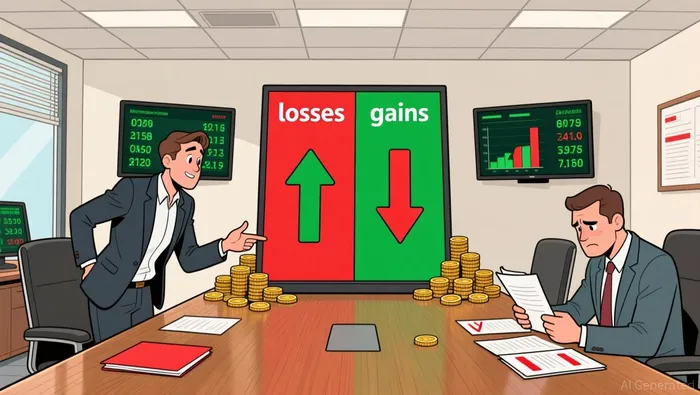
The most significant risk is the potential for the wash-sale rule to disallow the loss if the investor repurchases the same or a very similar security too soon. This can undermine the intended tax benefit and may lead to a more complex investment management process.
Despite these limitations, tax-loss harvesting remains a valuable strategy for many investors, especially when used in conjunction with other tax-efficient approaches such as retirement accounts. By understanding the rules and limitations, investors can make informed decisions that align with their financial objectives while minimizing their tax exposure.
What are the benefits of tax-loss harvesting for investors?
Tax-loss harvesting offers several benefits for investors, including the ability to reduce tax liabilities by offsetting capital gains with realized losses. This strategy allows investors to manage their investment portfolios in a way that minimizes the impact of capital gains tax. Additionally, by strategically selling underperforming investments, investors can potentially lower their taxable income for the year.
Another benefit of tax-loss harvesting is that it aligns well with broader wealth management strategies, especially when paired with tax-advantaged retirement accounts like Roth IRAs. This approach can help investors optimize their tax efficiency while maintaining a diversified investment portfolio.
What are the limitations and risks associated with tax-loss harvesting?
While tax-loss harvesting can be a valuable strategy, it comes with several limitations and risks. One of the most significant limitations is the wash-sale rule in the U.S. and the superficial loss rule in Canada. These rules restrict the ability to immediately repurchase the same asset after a loss, requiring investors to find comparable alternatives. This can complicate the investment management process and may interfere with an investor's overall portfolio goals and asset allocation.
Another risk is the potential for the wash-sale rule to disallow the loss if the investor repurchases the same or a very similar security too soon. This can undermine the intended tax benefit and may lead to a more complex investment management process.
Additionally, the strategy may not be as effective for investors with smaller portfolios or those who follow a long-term buy-and-hold strategy. In such cases, selling a losing investment may interfere with the investor's overall portfolio goals and asset allocation. Despite these limitations, tax-loss harvesting remains a valuable strategy for many investors, especially when used in conjunction with other tax-efficient approaches such as retirement accounts.
How can investors effectively implement tax-loss harvesting strategies?
Investors can effectively implement tax-loss harvesting strategies by understanding the rules and limitations associated with the strategy. This includes being aware of the wash-sale rule in the U.S. and the superficial loss rule in Canada, which restrict the ability to immediately repurchase the same asset after a loss. By understanding these rules, investors can make informed decisions that align with their financial objectives while minimizing their tax exposure.
Another key aspect of effectively implementing tax-loss harvesting strategies is the ability to find comparable but distinct alternatives to maintain an investment strategy without losing the benefit of the loss. This can involve selling a stock in a company and repurchasing a stock in a competitor or an ETF focused on the same sector.
Investors can also benefit from using tax-loss harvesting in conjunction with other tax-efficient approaches such as retirement accounts. By doing so, investors can optimize their tax efficiency while maintaining a diversified investment portfolio. Additionally, working with a trusted advisor can help investors balance tax efficiency with sound investment principles.
Overall, tax-loss harvesting is a valuable strategy for many investors, especially when used in conjunction with other tax-efficient approaches such as retirement accounts. By understanding the rules and limitations, investors can make informed decisions that align with their financial objectives while minimizing their tax exposure.

Blending traditional trading wisdom with cutting-edge cryptocurrency insights.
Latest Articles
Stay ahead of the market.
Get curated U.S. market news, insights and key dates delivered to your inbox.


AInvest
PRO
AInvest
PRO



Comments
No comments yet