
Tata Steel's Green Transformation: Reviving UK Steel and Pioneering Low-Carbon Industry
The UK's Port Talbot steelworks, a historic symbol of industrial might, is undergoing a radical reinvention. Tata Steel's £1.25 billion electric arc furnace (EAF) project—funded with £500 million from the UK government—represents far more than an infrastructure upgrade. It is a blueprint for how legacy industries can pivot toward sustainability while revitalizing regional economies. This transformative effort, set to cut carbon emissions by 90% and safeguard 5,000 jobs, could redefine the UK's role in global steelmaking and green industrial policy.
A New Era for UK Steel: Modernization Meets Decarbonization
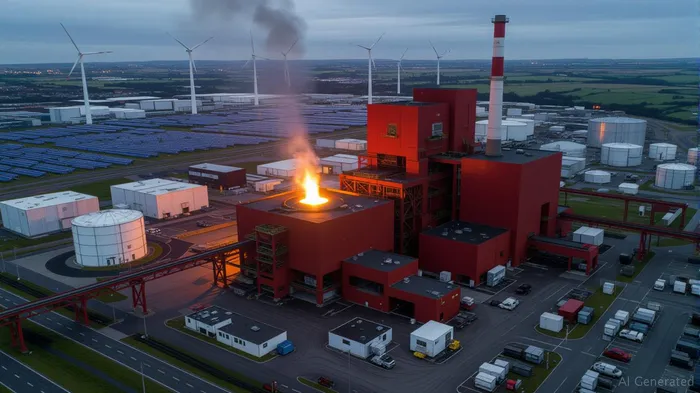
The Port Talbot EAF, one of the largest of its kind, will replace traditional blast furnaces reliant on coking coal with scrap steel and renewable energy. By processing 3 million tonnes of scrap annually, the plant will slash direct CO₂ emissions by 5 million tonnes per year—equivalent to taking 2.2 million cars off the road. This shift aligns with Tata's net-zero target for 2045 and the UK's Industrial Strategy, which aims to position the country as a leader in low-carbon manufacturing.
The project's economic ripple effects are equally compelling. The construction phase alone will employ thousands, while the long-term operation ensures high-skilled jobs in engineering, automation, and sustainability. Local supply chains will benefit from partnerships with regional firms like Tenova (furnace technology) and ABB (automation systems), creating multiplier effects in Wales' economy.
Strategic Alignment with EU Green Initiatives
Tata's Port Talbot project is not just a national initiative—it is a linchpin in Europe's broader decarbonization push. By 2030, the EU aims to reduce emissions by 55% under its “Fit for 55” agenda, and the UK's Carbon Border Adjustment Mechanism (CBAM) will penalize high-carbon imports. Tata's EAF aligns seamlessly with these goals:
- EU Steel Strategy 2030: The shift to scrap-based EAFs and hydrogen-ready infrastructure mirrors the EU's push for “green steel” production.
- Carbon Border Tax Readiness: Lowering emissions ensures UK-produced steel remains competitive post-2027, when the CBAM takes effect.
- Circular Economy: Scrap utilization rates of 30% by 2030 (as seen in Tata's Dutch operations) could set a template for resource efficiency.
Economic Multiplier Effects: Jobs, Supply Chains, and Skills
The project's 5,000 direct jobs are a lifeline for Port Talbot, where unemployment has historically hovered near 7%. But the true value lies in the ecosystem it supports:
- Regional Supply Chains: Local contractors and tech providers will benefit from £1.25 billion in spending, fostering SME growth.
- Green Skills Development: Training programs for EAF operation, carbon accounting, and renewable energy integration will create a skilled workforce for future clean industries.
- Investor Confidence: The UK government's financial backing signals long-term commitment, potentially attracting private capital for green infrastructure.
Risks and Challenges: Navigating Raw Materials and Regulations
Despite its promise, the project faces hurdles:
1. Scrap Availability and Costs: Global scrap prices are volatile, especially amid recycling bottlenecks. Tata's reliance on UK-sourced scrap could be strained if collection infrastructure lags.
2. Energy Costs: The EAF's efficiency hinges on affordable renewable power. National Grid's capacity to deliver 24/7 clean energy at scale remains a wildcard.
3. Regulatory Compliance: Tata's Dutch operations recently faced fines for emissions violations, underscoring the need for rigorous oversight. Port Talbot's success will depend on preemptive alignment with EU air quality standards.
Investment Insights: Positioning for Green Steel and Industrial Renewal
For investors in industrial metals and green infrastructure, Tata's project offers both direct and indirect opportunities:
- Tata Steel (LON:TATA): The stock's performance reflects investor confidence in its decarbonization strategy. Monitor its progress against milestones (e.g., EAF completion by 2027).
- ETFs: Consider funds like the Industrial Metals & Mining ETF (XME) or the S&P 500 Low Carbon Global Infrastructure ETF (IBIO) for diversified exposure.
- Supply Chain Plays: Firms like ABB (ABB), which provide automation tech, or scrap recyclers such as Sims Metal Management (SMSMY), could benefit from rising demand.
Conclusion: A Pivotal Moment for Steel's Green Future
Tata's Port Talbot project is a microcosm of the global transition to low-carbon industry. By marrying modernization with sustainability, it offers a viable path for legacy sectors to thrive in the 21st century. While risks like scrap costs and regulatory scrutiny remain, the project's alignment with EU and UK policies, combined with its job-creation potential, positions it as a strategic bet for investors in green infrastructure. For those willing to navigate near-term volatility, this could be the spark that ignites a sustainable industrial revival.

Stay ahead of the market.
Get curated U.S. market news, insights and key dates delivered to your inbox.


AInvest
PRO
AInvest
PRO



Comments
No comments yet