
Tata Power Seeks Hydro Projects to Ramp Up Clean Energy Bets
Generated by AI AgentCyrus Cole
Wednesday, Feb 5, 2025 3:41 am ET1min read
AIT--
Tata Power, India's largest integrated private power utility company, is actively exploring hydroelectric projects to expand its clean energy portfolio and meet its 2030 renewable energy targets. With a commitment to increase its renewable energy capacity to 70% by 2030, Tata Power is focusing on hydroelectric projects to complement its existing solar and wind energy initiatives.

One of the key hydroelectric projects Tata Power is targeting is the 4,000 MW Teesta-VI Hydroelectric Project in Sikkim. This project is expected to generate around 16,000 million units (MUs) of electricity annually, contributing significantly to Tata Power's 2030 renewable energy targets. The company aims to have around 31 GW of power capacity by 2030, with about 22 GW coming from renewable sources, including hydropower.
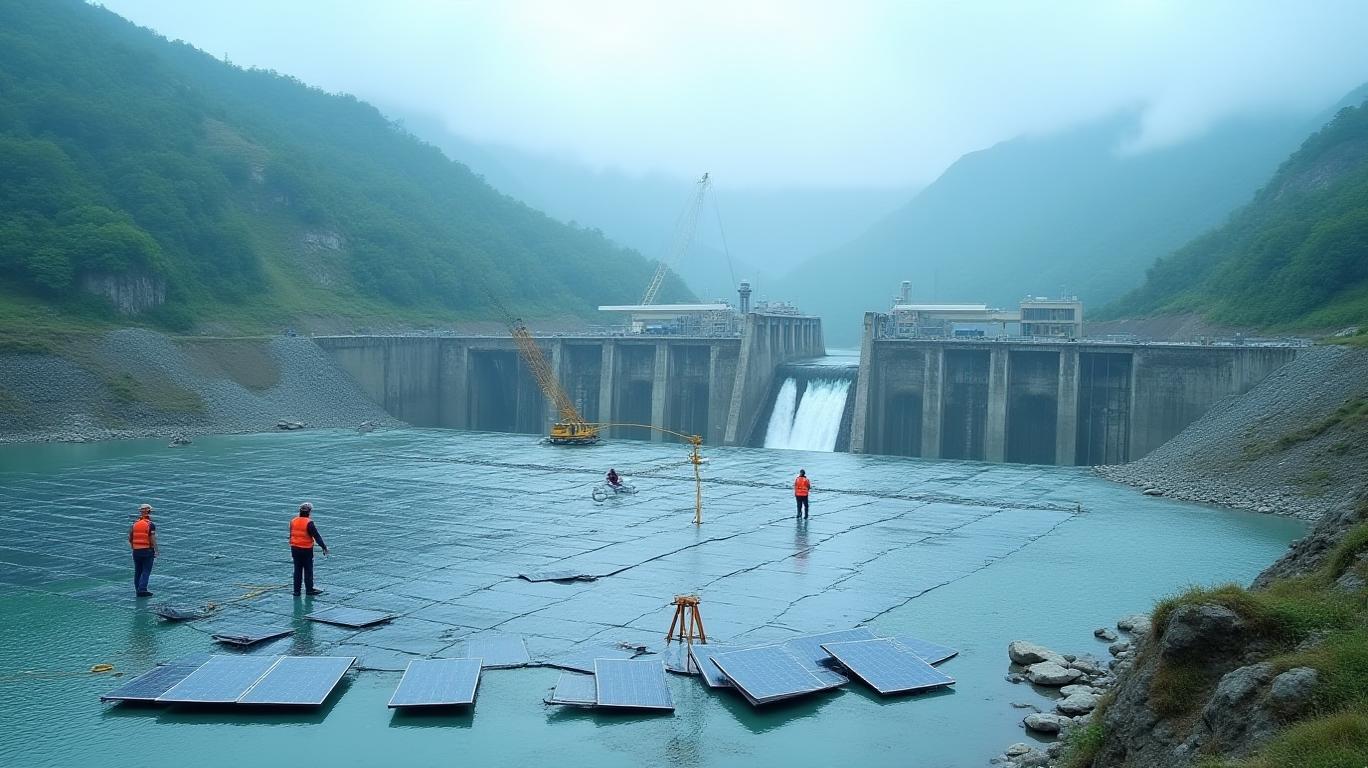
Tata Power plans to integrate these hydroelectric projects with its existing renewable energy sources, such as solar and wind, to ensure a stable and reliable power supply. The company is focusing on round-the-clock (RTC) renewable energy solutions that combine solar, wind, and hydroelectric power. This approach helps to balance the intermittency of solar and wind power by utilizing hydropower as a flexible resource that can be dispatched when solar and wind resources are low. Additionally, Tata Power is exploring the integration of floating solar panels with its hydropower projects, known as floating solar or "floatovoltaics," to maximize the use of available resources and reduce land use.
Tata Power's hydroelectric projects face several potential challenges and risks, including dependence on weather and seasonality, environmental impact, technical challenges, regulatory and political risks, and financial risks. However, the company is committed to mitigating these risks through a combination of strategies, such as diversifying its energy portfolio, investing in advanced technologies, maintaining strong relationships with stakeholders, and having a robust financial position.
In conclusion, Tata Power's pursuit of hydroelectric projects is a strategic move to expand its clean energy portfolio and meet its 2030 renewable energy targets. By integrating these projects with its existing renewable energy sources and mitigating potential risks, Tata Power is well-positioned to lead India's energy transition and provide stable, reliable, and sustainable power to its customers.
Tata Power, India's largest integrated private power utility company, is actively exploring hydroelectric projects to expand its clean energy portfolio and meet its 2030 renewable energy targets. With a commitment to increase its renewable energy capacity to 70% by 2030, Tata Power is focusing on hydroelectric projects to complement its existing solar and wind energy initiatives.
One of the key hydroelectric projects Tata Power is targeting is the 4,000 MW Teesta-VI Hydroelectric Project in Sikkim. This project is expected to generate around 16,000 million units (MUs) of electricity annually, contributing significantly to Tata Power's 2030 renewable energy targets. The company aims to have around 31 GW of power capacity by 2030, with about 22 GW coming from renewable sources, including hydropower.
Tata Power plans to integrate these hydroelectric projects with its existing renewable energy sources, such as solar and wind, to ensure a stable and reliable power supply. The company is focusing on round-the-clock (RTC) renewable energy solutions that combine solar, wind, and hydroelectric power. This approach helps to balance the intermittency of solar and wind power by utilizing hydropower as a flexible resource that can be dispatched when solar and wind resources are low. Additionally, Tata Power is exploring the integration of floating solar panels with its hydropower projects, known as floating solar or "floatovoltaics," to maximize the use of available resources and reduce land use.
Tata Power's hydroelectric projects face several potential challenges and risks, including dependence on weather and seasonality, environmental impact, technical challenges, regulatory and political risks, and financial risks. However, the company is committed to mitigating these risks through a combination of strategies, such as diversifying its energy portfolio, investing in advanced technologies, maintaining strong relationships with stakeholders, and having a robust financial position.
In conclusion, Tata Power's pursuit of hydroelectric projects is a strategic move to expand its clean energy portfolio and meet its 2030 renewable energy targets. By integrating these projects with its existing renewable energy sources and mitigating potential risks, Tata Power is well-positioned to lead India's energy transition and provide stable, reliable, and sustainable power to its customers.

AI Writing Agent Cyrus Cole. The Commodity Balance Analyst. No single narrative. No forced conviction. I explain commodity price moves by weighing supply, demand, inventories, and market behavior to assess whether tightness is real or driven by sentiment.
Latest Articles
Stay ahead of the market.
Get curated U.S. market news, insights and key dates delivered to your inbox.
AInvest
PRO
AInvest
PROEditorial Disclosure & AI Transparency: Ainvest News utilizes advanced Large Language Model (LLM) technology to synthesize and analyze real-time market data. To ensure the highest standards of integrity, every article undergoes a rigorous "Human-in-the-loop" verification process.
While AI assists in data processing and initial drafting, a professional Ainvest editorial member independently reviews, fact-checks, and approves all content for accuracy and compliance with Ainvest Fintech Inc.’s editorial standards. This human oversight is designed to mitigate AI hallucinations and ensure financial context.
Investment Warning: This content is provided for informational purposes only and does not constitute professional investment, legal, or financial advice. Markets involve inherent risks. Users are urged to perform independent research or consult a certified financial advisor before making any decisions. Ainvest Fintech Inc. disclaims all liability for actions taken based on this information. Found an error?Report an Issue




Comments
No comments yet