
Tasmania's Renewable Energy Renaissance: A Strategic Hub for Asia-Pacific Decarbonization
Tasmania, Australia's island state, is positioning itself as a pivotal clean energy hub in the Asia-Pacific, leveraging its abundant renewable resources and government-backed infrastructure upgrades. With 90% of its electricity already sourced from renewable energy—primarily hydropower and wind—Tasmania is now accelerating its transition to become a net exporter of green energy through projects like the Marinus Link interconnector. This article explores the investment opportunities emerging in Tasmania's energy sector, from utilities to infrastructure, while assessing risks amid global decarbonization trends.
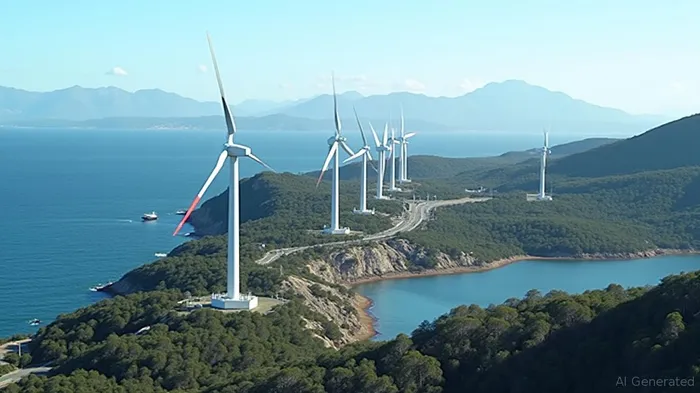
Resource Wealth: Hydropower and Wind Power at Scale
Tasmania's renewable energy foundation lies in its hydropower legacy, managed by Hydro Tasmania, which operates 10 power stations and five dams. A AUD 1.6 billion modernization program through 2034 will extend the lifespan of aging facilities like the Gordon (432–450 MW) and Poatina (363 MW) power stations, enhancing their efficiency and grid responsiveness. Meanwhile, the state's coastal wind farms, such as the 180 MW Musselroe project, are being supplemented by the North West Renewable Energy Zone (REZ), a proposed 1.5 GW wind and solar hub.
The Marinus Link project—a 1.5 GW subsea HVDC cable connecting Tasmania to Victoria—will transform this resource advantage into export capability. Once operational in 2026 (Stage 1), it will transmit clean energy to mainland grids while enabling Tasmania to store surplus solar power from Victoria during off-peak hours. This bidirectional flow could reduce Victoria's reliance on coal (currently 4.8 GW of capacity) and position Tasmania as a “Battery of the Nation.”
Government Incentives and Regulatory Support
Tasmania's Renewable Energy Target legislation mandates 200% renewable generation by 2040, supported by the Renewable Energy Coordination Framework (ReCFIT). Draft REZ legislation, finalized post-public consultation, grants the government authority to declare zones with streamlined permitting and cost-sharing mechanisms for transmission upgrades. This framework is critical for attracting capital: the Marinus Link's AUD 3.86 billion Stage 1 cost is 20% equity-funded by federal, Victorian, and Tasmanian governments, with the remainder backed by the Clean Energy Finance Corporation (CEFC).
The Albanese government's AUD 140 million investment in the North West Transmission Developments (240 km of new lines) underscores Tasmania's role in Australia's Rewiring the Nation program. This initiative aims to modernize the National Electricity Market (NEM), which achieved a record 46% renewable penetration in Q4 2024, signaling broader market readiness for green energy hubs like Tasmania.
Investment Opportunities: Utilities, Green Tech, and Infrastructure
1. Utilities Sector: Hydro Tasmania's modernization and pumped hydro projects (e.g., Lake Cethana's 600 MW storage) offer long-term growth. While not a listed entity, its parent, the Tasmanian state government, may leverage its equity stakes in energy ventures to attract private capital.
2. Green Tech Firms: Wind turbine manufacturers (e.g., Vestas, Siemens Gamesa) and solar developers could benefit from REZ expansions. Local firms like Marinus Link consortium partners (to be finalized) may also emerge as infrastructure leaders.
3. Infrastructure Funds: The Marinus Link's AUD 6 billion total cost presents opportunities for infrastructure investors via green bonds or equity stakes in transmission consortia.
Risks: Regulatory and Technical Challenges
- Regulatory Uncertainty: While Tasmania's REZ framework is advanced, delays in finalizing Stage 2 of the Marinus Link (post-2030) could deter investors.
- Grid Integration: Technical hurdles, such as subsea cable geological risks noted by experts like Tim Buckley, may inflate project costs (up 17% since 2022).
- Market Competition: Tasmania's energy exports must compete with mainland solar and wind projects, though its hydropower's reliability in “renewable droughts” offers a unique advantage.
Investment Thesis: A Long-Term Play
Tasmania's strategic location and policy support make it a compelling investment in the decarbonization era. While risks exist, the state's 200% renewable target and Marinus Link's grid-stabilizing potential align with Australia's net-zero goals and Asia-Pacific's energy transition needs. Investors should prioritize:
- Infrastructure Debt: Low-risk exposure via Marinus Link bonds or CEFC-backed projects.
- Renewables ETFs: Exposure to global clean energy trends via funds like ICLN.
- Hydro Tasmania Partnerships: Look for equity stakes in pumped hydro or transmission upgrades as projects advance.
Tasmania's blend of existing renewables, ambitious infrastructure, and government backing positions it as a cornerstone of the Asia-Pacific's clean energy future. While patience is required, the island's potential to become a green energy exporter—and a model for grid resilience—makes it a standout opportunity for forward-thinking investors.

Stay ahead of the market.
Get curated U.S. market news, insights and key dates delivered to your inbox.


AInvest
PRO
AInvest
PRO



Comments
No comments yet