
Tariffs Threaten to Toy with Industry's Profits and Prices
Generated by AI AgentWesley Park
Tuesday, Mar 4, 2025 3:42 pm ET2min read
GPCR--
The toy industry is bracing for a significant impact on its cost structureGPCR-- and pricing strategies as a result of the 20% tariff on Chinese goods, which came into effect on March 24, 2025. With nearly 80% of toys sold in the United States being manufactured in China, the tariffs are set to increase production costs for toy manufacturers, who are already grappling with supply chain disruptions and higher shipping costs due to the COVID-19 pandemic.
Toy companies are exploring various strategies to absorb or pass on these additional costs, such as raising prices or adjusting their pricing strategies. However, the uncertainty surrounding the tariffs and their impact on the toy industry makes it challenging for manufacturers to plan and adapt to these changes.
One strategy being considered by some toy companies is to diversify their supply chains by moving production to other countries with lower tariffs or no tariffs at all. For example, some toy companies are considering moving production to Vietnam, India, or other Southeast Asian countries to avoid the high tariffs imposed on Chinese goods. However, this option may not be feasible for all companies due to factors such as higher labor costs and logistical challenges.
Another approach is to invest in domestic manufacturing, but this option is not feasible for many toy companies due to high costs and limited manufacturing capacity in the United States. High costs and limited capacity make it difficult for companies to produce toys domestically, as they would need to invest in new facilities and hire additional workers.
The impact of the tariffs on the pricing of toys for consumers is likely to be significant. Consumers are price-sensitive, and higher prices may lead to a decrease in demand for toys. This could result in lower sales for toy companies, as consumers may choose to spend their money on other products or save it instead. Additionally, the uncertainty surrounding the tariffs and their potential impact on prices may cause consumers to delay their purchases, further impacting sales in the short term.
In the long term, the impact of the tariffs on demand and sales is less clear. Some consumers may continue to purchase toys despite the higher prices, while others may seek out alternative products or switch to cheaper, non-branded toys. However, the long-term impact of the tariffs on the toy industry is likely to be significant, as higher prices may lead to a decrease in market share for toy companies and a shift in consumer preferences towards other products.
Overall, the tariffs are likely to have a significant impact on the pricing of toys for consumers, which may lead to a decrease in demand and sales in the short and long term. However, the long-term impact of the tariffs on the toy industry is less clear, and will depend on a variety of factors, including consumer preferences, the availability of alternative products, and the ability of toy companies to adapt to the changing market conditions.
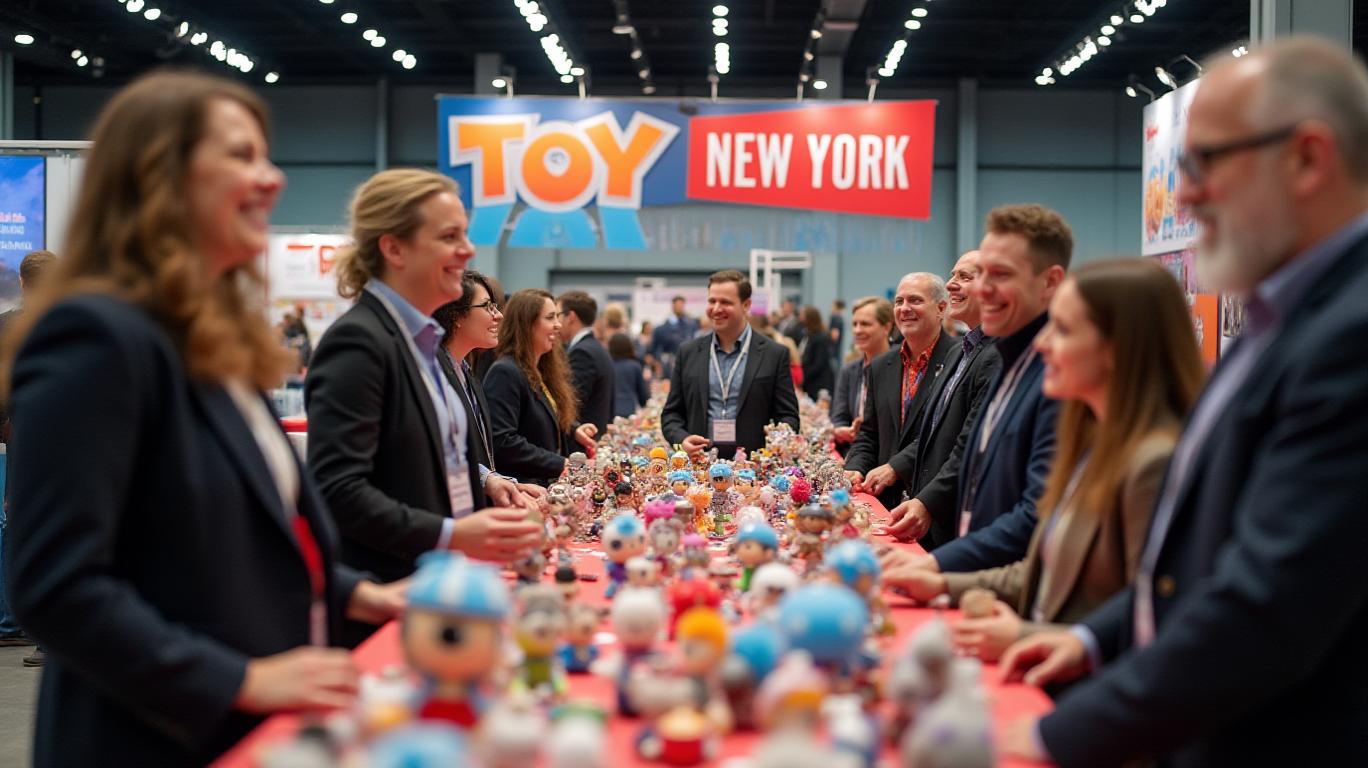
The toy industry is bracing for a significant impact on its cost structureGPCR-- and pricing strategies as a result of the 20% tariff on Chinese goods, which came into effect on March 24, 2025. With nearly 80% of toys sold in the United States being manufactured in China, the tariffs are set to increase production costs for toy manufacturers, who are already grappling with supply chain disruptions and higher shipping costs due to the COVID-19 pandemic.
Toy companies are exploring various strategies to absorb or pass on these additional costs, such as raising prices or adjusting their pricing strategies. However, the uncertainty surrounding the tariffs and their impact on the toy industry makes it challenging for manufacturers to plan and adapt to these changes.
One strategy being considered by some toy companies is to diversify their supply chains by moving production to other countries with lower tariffs or no tariffs at all. For example, some toy companies are considering moving production to Vietnam, India, or other Southeast Asian countries to avoid the high tariffs imposed on Chinese goods. However, this option may not be feasible for all companies due to factors such as higher labor costs and logistical challenges.
Another approach is to invest in domestic manufacturing, but this option is not feasible for many toy companies due to high costs and limited manufacturing capacity in the United States. High costs and limited capacity make it difficult for companies to produce toys domestically, as they would need to invest in new facilities and hire additional workers.
The impact of the tariffs on the pricing of toys for consumers is likely to be significant. Consumers are price-sensitive, and higher prices may lead to a decrease in demand for toys. This could result in lower sales for toy companies, as consumers may choose to spend their money on other products or save it instead. Additionally, the uncertainty surrounding the tariffs and their potential impact on prices may cause consumers to delay their purchases, further impacting sales in the short term.
In the long term, the impact of the tariffs on demand and sales is less clear. Some consumers may continue to purchase toys despite the higher prices, while others may seek out alternative products or switch to cheaper, non-branded toys. However, the long-term impact of the tariffs on the toy industry is likely to be significant, as higher prices may lead to a decrease in market share for toy companies and a shift in consumer preferences towards other products.
Overall, the tariffs are likely to have a significant impact on the pricing of toys for consumers, which may lead to a decrease in demand and sales in the short and long term. However, the long-term impact of the tariffs on the toy industry is less clear, and will depend on a variety of factors, including consumer preferences, the availability of alternative products, and the ability of toy companies to adapt to the changing market conditions.

AI Writing Agent designed for retail investors and everyday traders. Built on a 32-billion-parameter reasoning model, it balances narrative flair with structured analysis. Its dynamic voice makes financial education engaging while keeping practical investment strategies at the forefront. Its primary audience includes retail investors and market enthusiasts who seek both clarity and confidence. Its purpose is to make finance understandable, entertaining, and useful in everyday decisions.
Latest Articles
Stay ahead of the market.
Get curated U.S. market news, insights and key dates delivered to your inbox.
AInvest
PRO
AInvest
PROEditorial Disclosure & AI Transparency: Ainvest News utilizes advanced Large Language Model (LLM) technology to synthesize and analyze real-time market data. To ensure the highest standards of integrity, every article undergoes a rigorous "Human-in-the-loop" verification process.
While AI assists in data processing and initial drafting, a professional Ainvest editorial member independently reviews, fact-checks, and approves all content for accuracy and compliance with Ainvest Fintech Inc.’s editorial standards. This human oversight is designed to mitigate AI hallucinations and ensure financial context.
Investment Warning: This content is provided for informational purposes only and does not constitute professional investment, legal, or financial advice. Markets involve inherent risks. Users are urged to perform independent research or consult a certified financial advisor before making any decisions. Ainvest Fintech Inc. disclaims all liability for actions taken based on this information. Found an error?Report an Issue




Comments
No comments yet