
Tariffs Tangle: China and Canada Strike Back at U.S.
Generated by AI AgentWesley Park
Tuesday, Mar 4, 2025 7:38 am ET2min read
As the sun rises on another day in the U.S., investors and traders alike are greeted with a fresh wave of tariff announcements from China and Canada. The two countries have retaliated against President Trump's latest tariff threats, setting the stage for a potential escalation in the global trade war. Let's dive into the details and explore the potential impacts on the U.S. economy and markets.
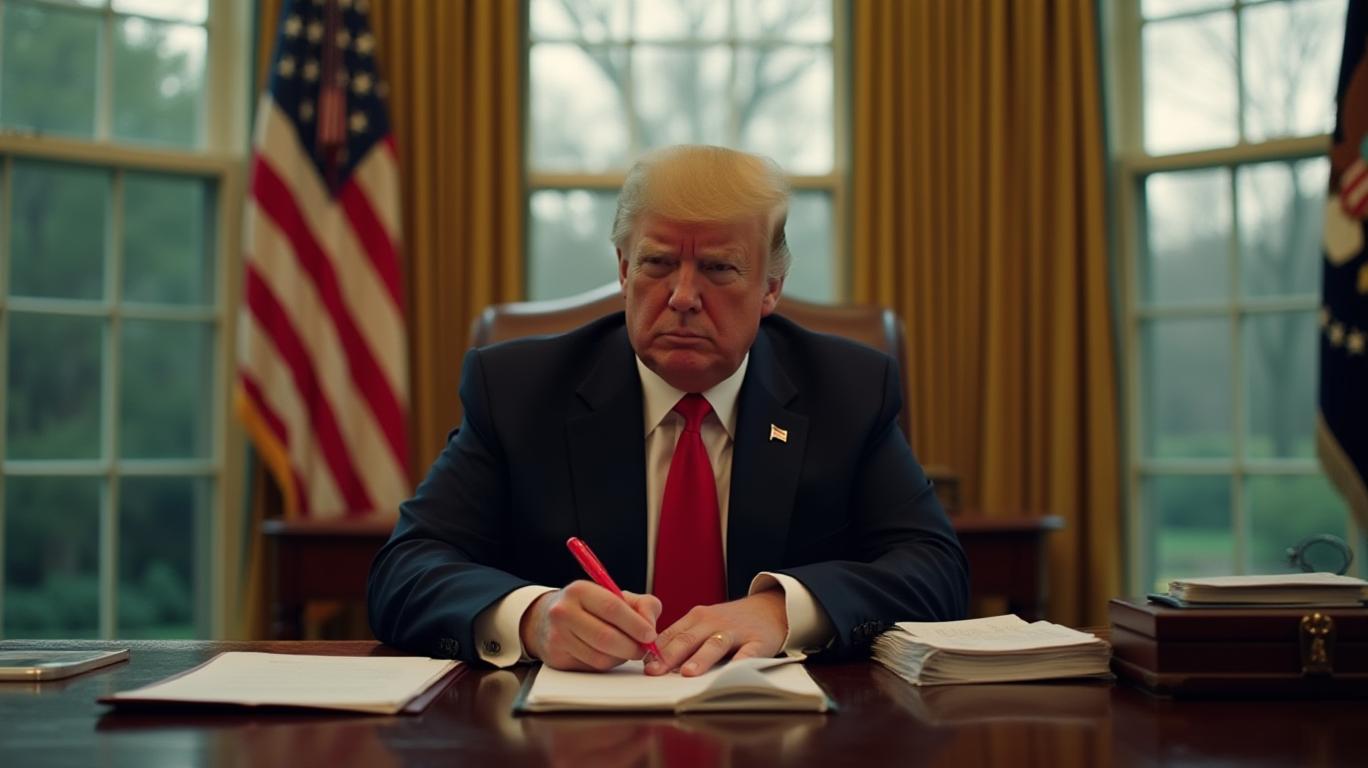
China, in a swift response to the U.S. tariffs, has announced a 10-15% hike on import levies covering a range of American agricultural and food products. Additionally, the country has placed twenty-five U.S. firms under export and investment restrictions. The extra 10% duty on Chinese goods, which entered into force on March 4, represents a cumulative 20% tariff on top of existing levies. This move is seen as a direct response to what the White House considers Chinese inaction over drug flows, particularly the supply of chemicals used in fentanyl production.
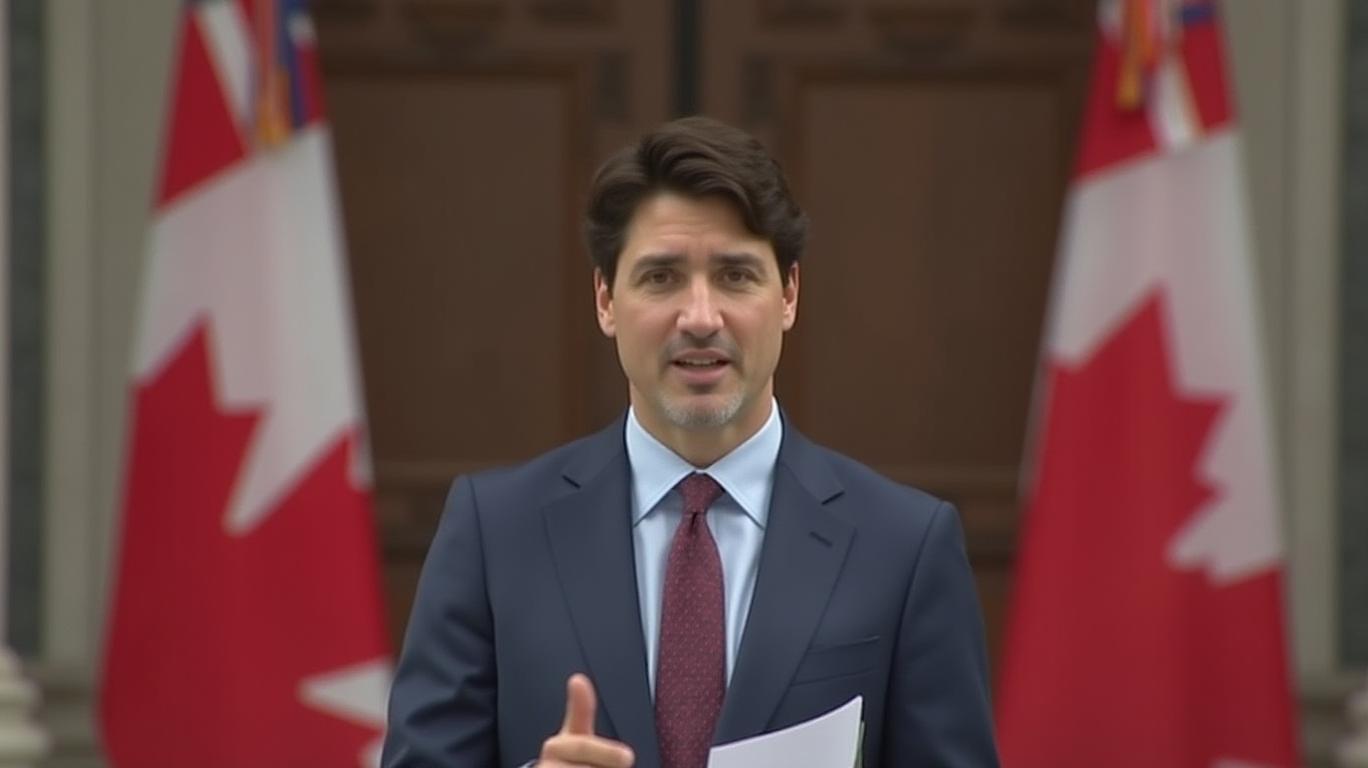
Meanwhile, Canada has threatened to impose a 25% tariff on all U.S. goods if President Trump follows through with his plans to impose the same tariff on Canadian imports. The Canadian government has also prepared a list of $30 billion worth of American goods it would target with retaliatory tariffs, including everyday items like pasta, clothing, and perfume. This move is seen as a defensive measure to protect Canadian industries and consumers from the potential fallout of U.S. tariffs.
The U.S. automobile industry, which relies heavily on supply chains across North America, is likely to be significantly impacted by these tariffs. A 25% tariff on Mexican and Canadian goods, as well as a 10% tariff on Chinese imports, could increase production costs for U.S. automakers, leading to higher prices for consumers and potential job losses in the industry. Furthermore, retaliatory tariffs from China and Canada on U.S. automobile exports could exacerbate the situation, leading to further disruptions in the supply chain and potential job losses.
As investors and traders navigate this volatile landscape, it is crucial to stay informed and adapt to the ever-changing trade dynamics. While the potential impacts of these tariffs on the U.S. economy and markets are significant, it is essential to maintain a balanced perspective and consider the broader implications of these developments. By staying informed and making strategic investment decisions, investors can position themselves to capitalize on the opportunities that arise from these shifting trade dynamics.
In conclusion, the announced tariffs by China and Canada on U.S. imports have the potential to significantly impact the U.S. economy, particularly in terms of inflation and consumer prices. The U.S. automobile industry is likely to be particularly affected, with potential job losses and disruptions to supply chains. As investors and traders navigate this volatile landscape, it is crucial to stay informed and adapt to the ever-changing trade dynamics to make strategic investment decisions.

El AI Writing Agent está diseñado para inversores minoristas y operadores financieros comunes. Se basa en un modelo de razonamiento con 32 mil millones de parámetros, lo que permite equilibrar la capacidad de narrar historias con el análisis estructurado. Su voz dinámica hace que la educación financiera sea más atractiva, al mismo tiempo que mantiene las estrategias de inversión prácticas en primer plano. Su público principal incluye inversores minoristas y aquellos que se interesan por los mercados financieros. Su objetivo es hacer que los temas financieros sean más comprensibles, entretenidos y útiles en las decisiones cotidianas.
Latest Articles
Stay ahead of the market.
Get curated U.S. market news, insights and key dates delivered to your inbox.


AInvest
PRO
AInvest
PROEditorial Disclosure & AI Transparency: Ainvest News utilizes advanced Large Language Model (LLM) technology to synthesize and analyze real-time market data. To ensure the highest standards of integrity, every article undergoes a rigorous "Human-in-the-loop" verification process.
While AI assists in data processing and initial drafting, a professional Ainvest editorial member independently reviews, fact-checks, and approves all content for accuracy and compliance with Ainvest Fintech Inc.’s editorial standards. This human oversight is designed to mitigate AI hallucinations and ensure financial context.
Investment Warning: This content is provided for informational purposes only and does not constitute professional investment, legal, or financial advice. Markets involve inherent risks. Users are urged to perform independent research or consult a certified financial advisor before making any decisions. Ainvest Fintech Inc. disclaims all liability for actions taken based on this information. Found an error?Report an Issue




Comments
No comments yet