
US Tariffs on Electronics: Industry Optimistic About Low or Zero Tariffs on Exports
ByAinvest
Friday, Aug 1, 2025 2:27 pm ET1min read
AAPL--
The US has paused the implementation of new tariffs on select electronic goods, providing India a two-week window to submit additional inputs before a final decision is made. This temporary reprieve comes as part of a broader review initiated by the US Department of Commerce into potential national security threats posed by imports of electronics, including printed circuit boards (PCBs) [1].
India, among several countries, has been under scrutiny due to the growing volume of electronics exports to the US. The electronics industry in India, which has seen rapid growth in recent years, is closely watching the developments. Any tariff imposition could significantly impact exports, particularly from sectors like mobile phones, semiconductors, and PCBs [1].
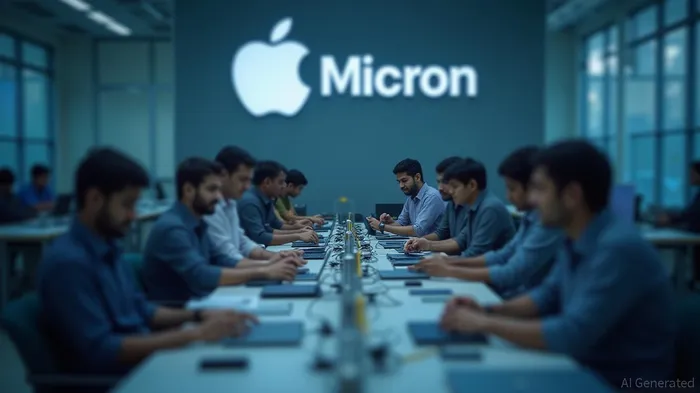
Apple Inc., which assembles iPhones in India, has already sourced its semiconductor requirements from non-Chinese suppliers. Micron, a US company, meets Apple's microprocessor requirements through facilities in Japan, Singapore, Taiwan, China, and India [3]. This diversification strategy could mitigate potential disruptions in the supply chain if tariffs are imposed.
The US Commerce Department is currently probing sectors deemed vital to national security, such as semiconductors, under Section 232 of the Trade Expansion Act. Until these probes are complete, there will be no levies on smartphone exports to the US, including iPhones made in India [2, 3].
India has been actively encouraging electronics manufacturing through schemes like PLI (Production Linked Incentives) and aims to position itself as a global alternative to China. This temporary breather provides India a chance to present its case and potentially avoid trade penalties that could affect its ambitions to become a global electronics hub [1].
References:
[1] https://knnindia.co.in/news/newsdetails/sectors/indias-electronics-industry-gets-temporary-relief-from-us-tariffs-amid-ongoing-review
[2] https://www.scmp.com/tech/big-tech/article/3320360/apples-india-exports-emerge-unscathed-trump-tariffs?module=top_story&pgtype=homepage
[3] https://m.economictimes.com/news/economy/foreign-trade/apples-india-exports-to-emerge-unscathed-from-trump-tariffs/articleshow/123016524.cms
MU--
The Indian electronics industry is optimistic about low or zero tariffs on exports due to the US Commerce Department's investigation under Section 232 of the Trade Expansion Act of 1962. The clause allows the President to impose tariffs on imports that threaten national security. Apple Inc, which assembles iPhones in India, has already sourced its semiconductor requirements from non-Chinese suppliers, while Micron, a US company, meets Apple's microprocessor requirements through facilities in Japan, Singapore, Taiwan, China, and India.
The Indian electronics industry is cautiously optimistic about the possibility of low or zero tariffs on exports to the United States, following the US Commerce Department's ongoing investigation under Section 232 of the Trade Expansion Act of 1962. This clause allows the President to impose tariffs on imports deemed to threaten national security [1].The US has paused the implementation of new tariffs on select electronic goods, providing India a two-week window to submit additional inputs before a final decision is made. This temporary reprieve comes as part of a broader review initiated by the US Department of Commerce into potential national security threats posed by imports of electronics, including printed circuit boards (PCBs) [1].
India, among several countries, has been under scrutiny due to the growing volume of electronics exports to the US. The electronics industry in India, which has seen rapid growth in recent years, is closely watching the developments. Any tariff imposition could significantly impact exports, particularly from sectors like mobile phones, semiconductors, and PCBs [1].
Apple Inc., which assembles iPhones in India, has already sourced its semiconductor requirements from non-Chinese suppliers. Micron, a US company, meets Apple's microprocessor requirements through facilities in Japan, Singapore, Taiwan, China, and India [3]. This diversification strategy could mitigate potential disruptions in the supply chain if tariffs are imposed.
The US Commerce Department is currently probing sectors deemed vital to national security, such as semiconductors, under Section 232 of the Trade Expansion Act. Until these probes are complete, there will be no levies on smartphone exports to the US, including iPhones made in India [2, 3].
India has been actively encouraging electronics manufacturing through schemes like PLI (Production Linked Incentives) and aims to position itself as a global alternative to China. This temporary breather provides India a chance to present its case and potentially avoid trade penalties that could affect its ambitions to become a global electronics hub [1].
References:
[1] https://knnindia.co.in/news/newsdetails/sectors/indias-electronics-industry-gets-temporary-relief-from-us-tariffs-amid-ongoing-review
[2] https://www.scmp.com/tech/big-tech/article/3320360/apples-india-exports-emerge-unscathed-trump-tariffs?module=top_story&pgtype=homepage
[3] https://m.economictimes.com/news/economy/foreign-trade/apples-india-exports-to-emerge-unscathed-from-trump-tariffs/articleshow/123016524.cms
Stay ahead of the market.
Get curated U.S. market news, insights and key dates delivered to your inbox.
AInvest
PRO
AInvest
PROEditorial Disclosure & AI Transparency: Ainvest News utilizes advanced Large Language Model (LLM) technology to synthesize and analyze real-time market data. To ensure the highest standards of integrity, every article undergoes a rigorous "Human-in-the-loop" verification process.
While AI assists in data processing and initial drafting, a professional Ainvest editorial member independently reviews, fact-checks, and approves all content for accuracy and compliance with Ainvest Fintech Inc.’s editorial standards. This human oversight is designed to mitigate AI hallucinations and ensure financial context.
Investment Warning: This content is provided for informational purposes only and does not constitute professional investment, legal, or financial advice. Markets involve inherent risks. Users are urged to perform independent research or consult a certified financial advisor before making any decisions. Ainvest Fintech Inc. disclaims all liability for actions taken based on this information. Found an error?Report an Issue




Comments
No comments yet