
U.S. Tariffs on Asian Nations: A Strategic Shift in Global Trade Dynamics
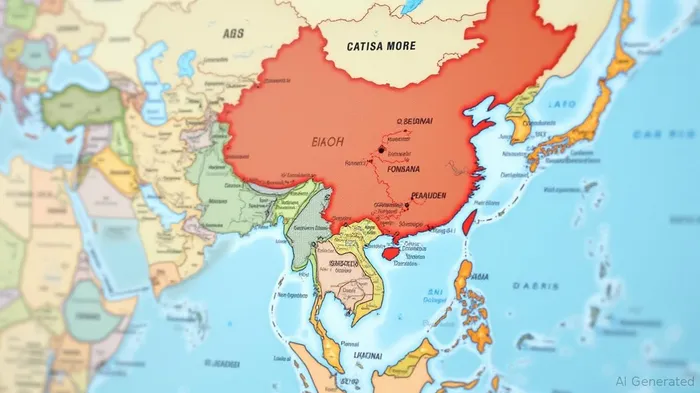
The U.S. tariffs of 25%-40% on imports from Japan, South Korea, Malaysia, Laos, Myanmar, and Kazakhstan, set to take effect on August 1, 2025, mark a seismic shift in global trade dynamics. These measures, rooted in President Trump's “America First” agenda, aim to recalibrate trade imbalances and incentivize onshore manufacturing. For investors, the implications are profound: supply chain disruptions, sector-specific equity volatility, and currency fluctuations now demand strategic portfolio adjustments.
Supply Chain Disruptions: The New Normal?
The tariffs target sectors critical to global supply chains. Japan and South Korea's automotive and semiconductor exports—key to U.S. manufacturing—are now burdened with 25% tariffs. This could force companies like ToyotaTM--, HondaHMC--, and Samsung to absorb costs or pass them on to consumers. Automakers with U.S. production facilities (e.g., Ford, GM) may benefit, while Asian exporters face margin pressures.
Meanwhile, Malaysia's electronics and Kazakhstan's energy exports face 25% tariffs, potentially reshaping sourcing strategies. For investors, this creates a binary opportunity: short-term volatility in affected equities versus long-term sector rotation into domestically oriented U.S. industries.
Sector-Specific Equity Impacts: Tech and Auto Under the Microscope
The tech sector is particularly exposed. South Korea's semiconductors—accounting for 19% of U.S. chip imports—and Japan's precision machinery are now subject to steep tariffs. This could accelerate U.S. efforts to build domestic chip capacity, favoring firms like IntelINTC-- (INTC) or Applied MaterialsAMAT-- (AMAT). Conversely, Asian semiconductor stocks may languish unless trade deals are struck.
In automotive, U.S. consumers may see sticker prices rise, but automakers with flexible supply chains (e.g., Tesla's vertical integration) could outperform. The tariffs also risk retaliatory measures, such as Japan imposing its own duties on U.S. agricultural exports, further destabilizing trade relationships.
Currency Movements: A Two-Edged Sword
The tariffs could pressure Asian currencies, particularly those of smaller economies like Laos and Myanmar, where 40% tariffs on exports may exacerbate balance of payments challenges. The yen and won, meanwhile, may weaken as corporations hedge against earnings declines.
Investors can capitalize on this by shorting Asian currency ETFs (e.g., WisdomTreeWT-- Dreyfus Emerging Currency Strategy Fund) or rotating into U.S. dollar-denominated emerging market debt (e.g., JPMorgan Emerging Markets Bond Index Plus ETF). However, caution is warranted: sudden policy shifts or trade deal breakthroughs could reverse trends abruptly.
Actionable Investment Strategies: Navigating the Crosscurrents
- Sector Rotation: Shift toward U.S.-centric industries insulated from tariffs. Consider overweighting in domestic manufacturers (e.g., CaterpillarCAT-- (CAT)), renewable energy firms (e.g., NextEra EnergyNEE-- (NEE)), or software companies with minimal reliance on Asian supply chains.
- Geopolitical ETFs: Use funds like the iShares MSCIMSCI-- USA Factor Momentum ETF (MTUM) or the SPDR S&P International Infrastructure ETF (XIN) to capture winners in infrastructure spending or alternative supply chains.
- Emerging Market Debt with a Filter: Focus on high-yield debt from countries with diversified trade ties (e.g., Thailand or Indonesia) while avoiding those directly in the tariff crosshairs (e.g., Laos). The iShares J.P. Morgan USD Emerging Markets Bond ETF (EMB) offers broad exposure but requires careful monitoring.
- Hedging with Commodities: Energy and industrial metals (e.g., copper, aluminum) could rise if Kazakhstan's exports face bottlenecks. The United States Copper IndexCPER-- Fund (COPX) or United States Natural Gas Fund (UNG) provide targeted exposure.
The Bottom Line: Prepare for Volatility, but Stay Strategic
The tariffs are not just a trade policy—it's a geopolitical pivot with lasting implications for capital allocation. Investors must balance near-term risks (sector-specific declines, currency weakness) with opportunities in U.S. reshoring initiatives and alternative supply chains. The key is to remain agile, leveraging ETFs and sector-specific plays to capitalize on dislocations while hedging against policy uncertainty. As the August 1 deadline looms, portfolios should reflect a blend of defensive positions and bets on the winners of this new trade order.
This article is for informational purposes only. Past performance is not indicative of future results. Consult a financial advisor before making investment decisions.

Stay ahead of the market.
Get curated U.S. market news, insights and key dates delivered to your inbox.




Comments
No comments yet