
Tariff Uncertainty: US Strategy in Trade Negotiations
Scott Bessent, a prominent figure in the financial world, recently shared his insights on the strategic use of tariff uncertainty in international negotiations. He emphasized that maintaining a level of uncertainty in tariff policies is a deliberate tactic employed by the United States. According to Bessent, providing too much certainty to other countries could potentially weaken the U.S.'s negotiating position, allowing them to exploit the situation to their advantage. This perspective underscores the complex nature of international trade negotiations, where strategic ambiguity can be a powerful tool in securing favorable outcomes.
Bessent's comments come at a time when the U.S. has been actively engaged in trade discussions with various nations. The ongoing negotiations have been marked by a series of tariff adjustments and reciprocal measures, reflecting the delicate balance between economic cooperation and competitive advantage. The U.S. administration has been clear in its stance that tariffs serve as a lever in these negotiations, providing the necessary bargaining power to achieve mutually beneficial agreements.
The strategy of using tariff uncertainty is not without its risks. Critics argue that prolonged uncertainty can disrupt global supply chains and create instability in international markets. However, Bessent's view suggests that the short-term disruptions are a necessary cost in the pursuit of long-term economic benefits. By keeping other countries on their toes, the U.S. can ensure that its interests are protected and that any agreements reached are fair and reciprocal.
This approach aligns with the broader economic policies of the current administration, which prioritize domestic economic growth and job creation. By leveraging tariffs as a negotiating tool, the U.S. aims to secure better terms for American businesses and workers, ultimately fostering a more robust and competitive economy. This strategy is part of a larger effort to rebalance trade relationships and address long-standing grievances, such as intellectual property theft and unfair trade practices.
In summary, Scott Bessent's remarks highlight the strategic use of tariff uncertainty as a means to strengthen the U.S.'s position in international trade negotiations. By avoiding excessive transparency in tariff policies, the U.S. can prevent other countries from gaining an upper hand and ensure that any agreements reached are in the best interest of the American economy. This approach, while fraught with challenges, reflects a calculated effort to achieve long-term economic benefits through strategic negotiation. 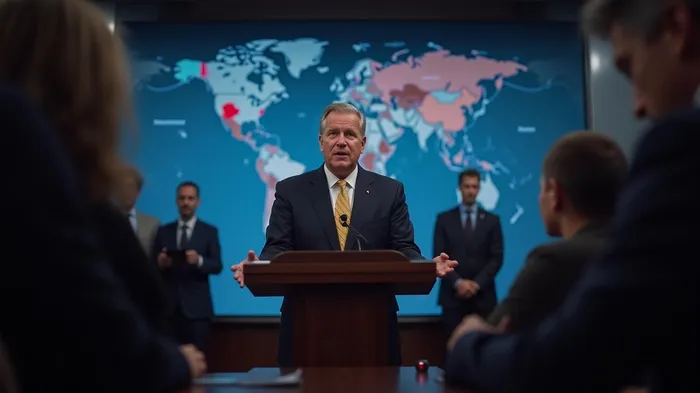

Stay ahead of the market.
Get curated U.S. market news, insights and key dates delivered to your inbox.






Comments
No comments yet