
Tariff Turbulence: Navigating U.S. Equity Markets Amid Trade Wars
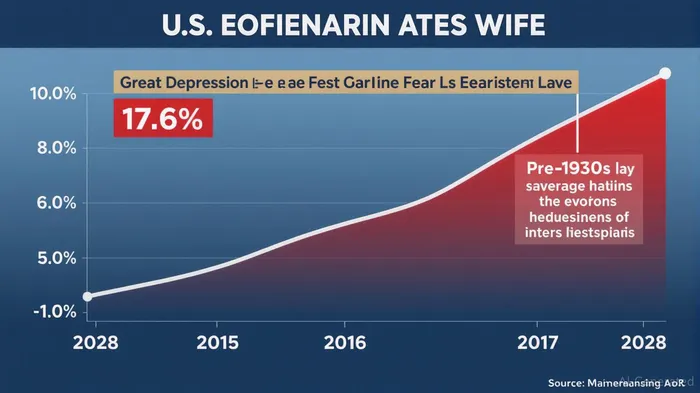
The U.S. economy is in the throes of a historic trade policy shift. With tariff rates now at their highest since the Great Depression, the ripple effects are reshaping industries, consumer behavior, and investment opportunities. For equity investors, the challenge isn't just avoiding sectors under pressure—it's identifying where these tariffs are creating structural advantages.
The Tariff Divide: Winners and Losers by Sector
The tariff regime has created stark contrasts. Let's break down the data:
1. Textiles and Apparel: High Costs, Low Resilience
The clothing sector faces immediate pain. Short-term price surges of 35-37% for apparel and leather goods mean retailers and manufacturers struggle to pass costs to consumers without losing market share. . Investors should avoid pure-play apparel companies unless they have pricing power or diversified supply chains.
2. Autos: A Double-Edged Sword
New car prices have jumped 13.5% in 2025, with tariffs adding ~$6,500 to an average vehicle. While automakers like Ford (F) and General MotorsGM-- (GM) may see margin pressure, this creates an opportunity for parts suppliers that can localize production. . Meanwhile, the long-term price stabilization at 10.6% hints at a shift toward smaller, U.S.-made vehicles—think TeslaTSLA-- (TSLA) or Rivian (RIVN) models designed for domestic markets.
3. Manufacturing: A Sector Split in Two
The data is paradoxical: U.S. manufacturing output is up 2.0% long-term, but only in non-advanced durable goods (3.7%) and nondurable sectors (1.0%). Advanced manufacturing, however, is down 2.6%, hit by higher input costs and retaliatory tariffs. . Investors should favor companies in steel, machinery, or basic materials (e.g., CaterpillarCAT-- (CAT), United States Steel (X)), while avoiding tech hardware reliant on Asian supply chains.
4. Agriculture and Food: A Mixed Bag
Food prices are up 2.9% short-term, with fresh produce hit hardest. This benefits large-scale U.S. agribusinesses like Tyson FoodsTSN-- (TSN) or Archer-Daniels-MidlandADM-- (ADM), which can lock in domestic supply chains. However, farmers facing retaliatory tariffs from Canada (down 1.9% GDP) or the EU may struggle. .
5. Energy and Materials: The New Safe Havens
The tariffs have indirectly boosted demand for U.S. energy and mining. With transshipped Chinese goods facing 40% tariffs, companies like Freeport-McMoRanFCX-- (FCX) or Pioneer Natural Resources (PXD) gain as domestic production replaces imports. .
The Regressive Impact: Investing with an Equity Lens
The tariffs' regressive nature—hitting low-income households hardest—suggests caution in consumer discretionary sectors. Retailers reliant on imported goods (e.g., WalmartWMT-- (WMT), TargetTGT-- (TGT)) face margin pressure, while discounters like Dollar GeneralDG-- (DG) might thrive if consumers shift spending downward.
The Geopolitical Angle: Playing the Trade Deal Timeline
The U.S. has delayed tariffs on Japan, South Korea, and Malaysia until August 1, creating a “wait-and-see” window. Companies in these regions with exposure to U.S. markets (e.g., Samsung Electronics, via its U.S. partners) could rebound if deals are struck. Meanwhile, the 50% tariff threat on Brazil and 100% on BRICS nations may push investors toward U.S. firms with no exposure to those markets.
Investment Strategy: Focus on Resilience and Domestic Leverage
- Buy U.S. Manufacturing: Target companies that benefit from import substitution (e.g., steel, machinery).
- Avoid Tariff-Exposed Supply Chains: Steer clear of retailers, tech hardware, or auto parts reliant on Chinese/Vietnamese imports.
- Bet on Inflation Winners: Energy, agriculture, and materials stocks will gain as tariffs keep global prices elevated.
- Watch the Legal Battles: If courts overturn key tariffs (as happened with “fentanyl” levies), sectors like tech or autos could rebound sharply.
Final Take: Tariffs Are Here to Stay—Adapt or Retreat
The 2025 tariff regime isn't a temporary blip. With the economy already 0.7% smaller and job losses mounting, investors must treat this as a structural shift. The sectors thriving aren't just those avoiding tariffs—they're the ones turning protectionism into a competitive advantage.
For now, the playbook is clear: go long on domestic manufacturing resilience, short on global supply chain fragility, and keep an eye on the next round of trade deal deadlines. The markets will reward those who see opportunity in chaos.

Stay ahead of the market.
Get curated U.S. market news, insights and key dates delivered to your inbox.




Comments
No comments yet