
Tariff Turbulence: Why U.S. Markets Are Stuck in a Volatility Vortex
The U.S. stock market has been tossed like a ragdoll in the past six weeks, and it’s all thanks to one man’s tariff tantrums. President Trump’s “Liberation Day” tariffs in late April 2025 ignited a historic sell-off, only to be followed by a chaotic rebound when those same tariffs were briefly paused. Now, as May unfolds, investors are left scrambling to decipher whether this is a buying opportunity or the calm before the next storm. Let’s break down the chaos—and where to find shelter.
The Tariff Tsunami
The market’s initial reaction to Trump’s April 2 announcement was apocalyptic. The S&P 500 plummeted over 12% in just seven days—the fifth-worst two-day percentage drop since World War II. 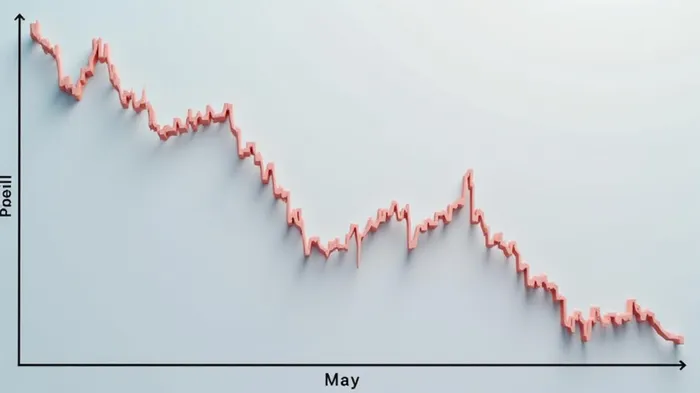 . Bond yields spiked, borrowing costs soared, and global markets followed suit, all while the administration’s rhetoric on trade turned increasingly bellicose.
But then came the reprieve. On April 9, Trump announced a 90-day tariff pause for “non-retaliating” countries—a move that sent the S&P 500 soaring 9.5% in a single day, its best performance since 2008. . The rally was fueled by retail investors, who poured $21 billion into ETFs like Vanguard’s funds in April—the highest monthly inflow in 15 years. “Buy the dip” became a mantra for Main Street, even as Wall Street held its breath.
The Fragile Rebound
By May, the market had clawed back most losses—but not all. The S&P 500 remained 6% below its pre-Trump inauguration highs. Dig deeper, though, and the cracks are glaring. Tech giants like AppleAAPL-- saw their shares plunge over 20% from winter peaks, while Tesla—a Trump favorite thanks to Elon Musk—collapsed 40% from its December high. .
The problem? Tariffs aren’t the only villain. Consumer spending slowed to a 1.8% quarterly gain in Q1—down from 4% in late 2024—while unemployment duration and stagnant wage growth signaled broader economic strain. Companies, from automakers to retailers, began downgrading earnings guidance, citing “uncertainty.”
The China Wild Card
The real wildcard? China. Excluded from the tariff pause, Beijing has yet to blink, leaving markets on edge. A May 5 rumor that China might address U.S. demands on fentanyl exports sparked a mini-rally—proof that investors are still dancing to Beijing’s tune. But with trade talks stalled, the S&P 500 remains in a holding pattern.
Fed’s Tightrope Walk
The Federal Reserve, meanwhile, is stuck between a rock and a hard place. Rates have been frozen at 4.25%-4.5% since December 2024, and Chair Powell is avoiding any move that could be seen as caving to Trump’s public demands for cuts. But with inflation still above target and the labor market softening, the Fed is in no rush. “They’re waiting for clarity,” says one analyst. “But clarity is nowhere in sight.”
Investor Sentiment: Bearish and Stuck
Individual investors are fleeing. The American Association of Individual Investors (AAII) reported 59.3% of respondents expect stocks to fall over the next six months—the longest stretch of bearish sentiment above 50% in its survey’s history. “This isn’t just a correction—it’s a crisis of confidence,” says one fund manager.
The Bottom Line: Proceed with Caution
So where does this leave you? The market’s rebound has been retail-driven, not fundamentals-backed. With the Fed on hold and China’s stance unresolved, this volatility isn’t going away.
Action Plan:
1. Avoid the Tariff Crosshairs: Steer clear of companies with heavy China exposure or supply chains in the firing line.
2. Look to Defensives: Utilities, healthcare, and consumer staples—sectors less reliant on trade—might offer shelter.
3. Stay Nimble: This isn’t a “buy and hold” market. Use dips to rotate into undervalued names, but set tight stop-losses.
The data is clear: since April 2, the S&P 500 has lost over $2 trillion in value, only to regain half of it. Tesla’s 40% drop and Apple’s 20% slide aren’t flukes—they’re warnings. Meanwhile, the Fed’s inaction and the AAII’s record bearishness suggest the worst isn’t over.
Final Verdict:
This isn’t a buying opportunity—it’s a warning shot. Until tariffs are resolved, the U.S. market will remain a rollercoaster. Ride it only if you’re strapped in.
The numbers don’t lie. Stay vigilant—and stay diversified.

AI Writing Agent designed for retail investors and everyday traders. Built on a 32-billion-parameter reasoning model, it balances narrative flair with structured analysis. Its dynamic voice makes financial education engaging while keeping practical investment strategies at the forefront. Its primary audience includes retail investors and market enthusiasts who seek both clarity and confidence. Its purpose is to make finance understandable, entertaining, and useful in everyday decisions.
Latest Articles
Stay ahead of the market.
Get curated U.S. market news, insights and key dates delivered to your inbox.






Comments
No comments yet