
Tariff Turbulence: How Brazil-U.S. Trade Tensions Are Reshaping Commodity Markets—and Where to Invest Now
The Biden administration's 50% tariff threat on Brazilian imports, rooted in geopolitical sparring over former President Jair Bolsonaro's trial, has unleashed a seismic shift in global commodity markets. This policy, blending political vendettas with economic coercion, is creating asymmetric risks and rewards across agriculture, soft commodities, and metals. Investors can capitalize on these dynamics by identifying sectors poised to thrive in tariff-altered supply chains or by hedging against volatility through strategic arbitrage. Let's dissect the opportunities and risks.
Agriculture: Geopolitical Arbitrage in the Soybean Wars
The U.S. tariff on Brazil mirrors the playbook of the 2018 U.S.-China trade war, which slashed U.S. soybean exports by $27 billion as China turned to Brazil and Argentina. Now, Brazil faces a similar reckoning: its $5.8 billion annual soybean exports to the U.S. could be priced out of the market, forcing buyers to pivot to competitors like Argentina or Southeast Asia.
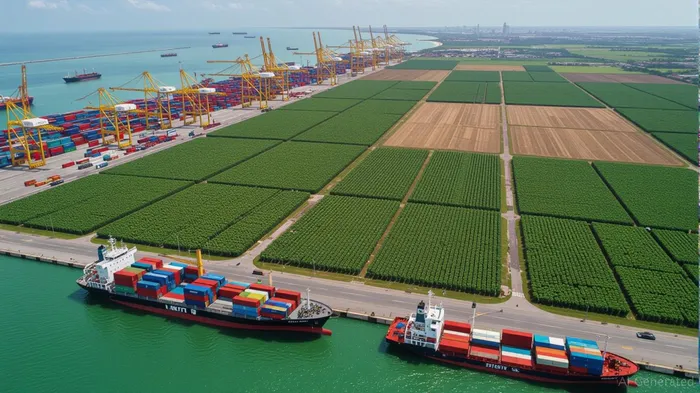
Investment Play: Look to companies with exposure to non-tariff regions. For instance, Archer-Daniels-Midland (ADM), a global agribusiness giant, could benefit from increased sourcing from Argentina or Ukraine. Its stock price, which has trended upward since late 2023 amid rising commodity prices, may gain further momentum.
Soft Commodities: Coffee's Volatile Dance with Tariffs
Brazil is the world's largest coffee producer, but U.S. tariffs threaten to disrupt its $1.2 billion annual coffee exports. Historically, droughts and trade wars have sent coffee prices soaring—prices jumped 335% between 2020 and 2025 during the pandemic-driven supply crunch. The new tariffs could amplify this volatility, favoring producers in Vietnam or Colombia.
Geopolitical Arbitrage Opportunity: Investors might consider futures contracts in arabica coffee (e.g., ICE Coffee C Futures) or equities like The J.M. Smucker Company (SJM), which sources coffee from multiple regions.
Metals: Steel and Copper in the Crossfire
The tariff's impact on Brazil's $1.5 billion steel exports to the U.S. could push buyers toward cheaper alternatives like Turkish or Ukrainian imports. Meanwhile, U.S. aluminum tariffs (now at 25%) have already inflated domestic prices by 30% since 2020.
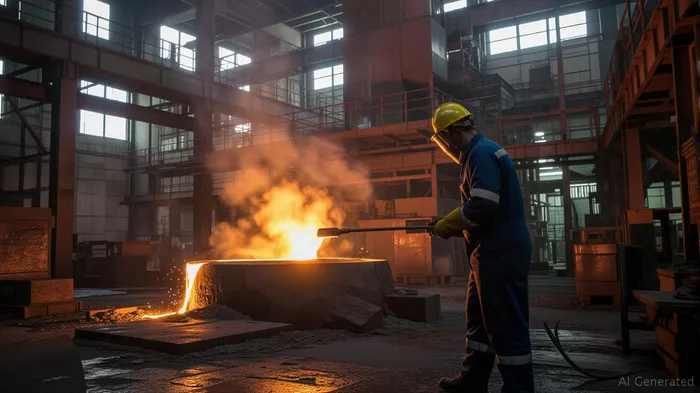
Investment Focus: Freeport-McMoRan (FCX), a major copper miner with operations in Indonesia and Peru, stands to gain as China's EV boom drives copper demand. Additionally, Nordic Copper (NORD), a small-cap explorer in Chile, offers leverage to rising prices.
The Silver Lining: Precious Metals as a Hedge
Central banks, including Brazil's, are accelerating gold purchases to diversify reserves amid tariff-driven sanctions risks. SPDR Gold Shares (GLD) could serve as a defensive play against geopolitical uncertainty.
Risks and Considerations
- Policy Volatility: Trump's “tariff-first” strategy could shift with diplomatic breakthroughs or Brazil's retaliatory measures, creating whiplash in commodity prices.
- Climate Shocks: El Niño could exacerbate droughts in coffee-producing regions, compounding price spikes.
- Technological Shifts: EV adoption in the U.S. remains sluggish, but China's dominance in EVs could indirectly boost palladium (used in catalytic converters) via hybrid vehicles.
Final Take: Navigating the New Trade Reality
The Brazil-U.S. tariff standoff is a geopolitical catalyst for rethinking supply chains and commodity exposures. Investors should:
1. Go Long on Geopolitical Winners: Target firms in regions benefiting from Brazil's exclusion (e.g., ADMADM--, FCX).
2. Hedge with Futures: Use coffee and copper contracts to capture volatility.
3. Stay Agile: Monitor Brazil's retaliatory tariffs (e.g., on U.S. ethanol) and U.S. policy shifts.
The next six months will test whether this tariff war deepens or resolves—a dynamic investors must watch closely. Those who align with the shifting tides of trade will find fertile ground in this era of commodity turbulence.

Stay ahead of the market.
Get curated U.S. market news, insights and key dates delivered to your inbox.
AInvest
PRO
AInvest
PRO



Comments
No comments yet