
The Tariff Tsunami: Navigating Consumer Goods Shifts and Finding Undervalued Winners
The U.S. economy is in the throes of a tariff-driven transformation. With average tariff rates soaring to 15% this year—including a staggering 50% on Chinese imports—the cost of consumer goods is surging, inflation is ticking upward, and businesses are scrambling to adapt. Core inflation, as measured by the PCE price deflator, is expected to hit 3.6% by year-end, with tariff-related costs accounting for much of the pressure. Yet this turmoil isn't just a headwind—it's a catalyst for structural shifts in how goods are produced, sold, and consumed. For investors, the key lies in identifying companies positioned to thrive in this new landscape.
The Tariff Effect: Inflation, Consumer Shifts, and the Rise of Domestic Production
The data is clear: tariffs are reshaping the economy. Real consumer spending growth has plummeted to 1.2% in Q1 2025, down from 4% just months earlier. Durable goods—a category heavily reliant on imported components—are taking the brunt, with spending down 3.8% year-over-year. Meanwhile, the housing market, already reeling from 7% mortgage rates, faces further declines in starts as builders grapple with tariff-inflated lumber and steel prices.
But this isn't all bad news. The pain of tariffs is accelerating a “reshoring” boom, as companies localize production to avoid border taxes. Procter & GamblePG--, for instance, slashed costs by 17% through U.S. production hubs, while Church & Dwight expanded margins by 14% via automation and reshoring. This trend isn't just about patriotism—it's about profit.
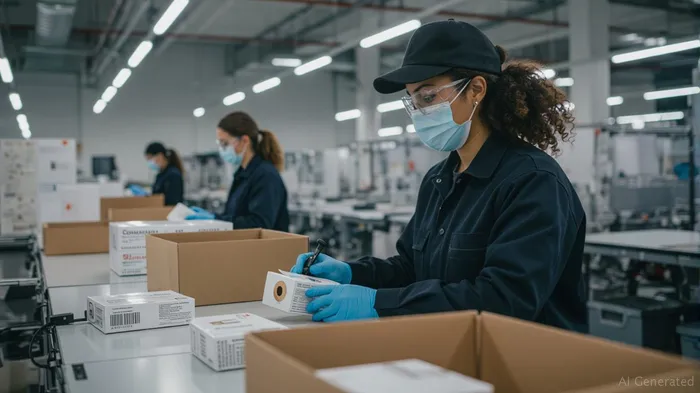
E-Commerce: The Buffer Against Tariff Chaos
While traditional retail buckles under inflation, e-commerce is proving its resilience. Online platforms offer two critical advantages: diversified supply chains and pricing agility. Take Liquidity Services (LQDT), a reverse supply chain giant that connects governments and corporations to buyers of surplus goods. Its GovDeals platform, which now handles $82 million in annual sales, thrives in a world where companies need to offload inventory quickly—and cheaply.
LQDT trades at a P/E of 19.93, well below its forward multiple of 18.01. Its AI-driven inventory systems and debt-free balance sheet ($133.8M net cash) give it a margin of safety even as rivals face margin squeezes. Analysts see a $38.50 price target—a 58% upside—driven by its unique niche in surplus sales.
Value Retail and the Discount Revolution
As consumers tighten budgets, discount retailers and value-focused brands are winning. While Macy'sM-- and Nordstrom falter, dollar stores and social commerce platforms are booming. This isn't just about low prices—it's about pricing power. Companies like La-Z-BoyLZB-- (LZB) are leveraging their U.S.-centric supply chains to avoid tariffs entirely. Over 90% of its North American upholstery production is domestic, shielding it from the 20% EU tariffs or 50% Chinese duties that hit competitors.
LZB's dual-brand strategy—pairing its namesake traditional furniture with the millennial-focused Joybird—has kept margins intact even as rivals hike prices. Its P/E of 15.8x is 49% below fair value, making it a prime contrarian bet.
The Undervalued All-Stars: Where to Invest Now
- Liquidity Services (LQDT):
- Why Buy? GovDeals' dominance in surplus sales, AI-driven efficiency, and a 58% upside target.
Action: Accumulate below $24/share; target $38.50 by late 2025.
Steelcase (SCS):
- Why Buy? Vertically integrated U.S./EU manufacturing, $764M backlog, and a 10.5x P/E (half its peers').
Action: Buy dips below $18.50; stop-loss at $18.37.
La-Z-Boy (LZB):
- Why Buy? 90% domestic production, millennial-friendly Joybird brand, and a 60% upside potential.
- Action: Aggressively buy below $20/share.
The Bigger Picture: Why These Plays Will Outperform
The tariff-driven shift isn't temporary—it's structural. Companies with domestic supply chains, pricing discipline, and asset-light models (like LQDT's reverse e-commerce) are the future. Even as the Fed holds rates near 4.5%, these firms are insulated by cash reserves and recurring demand.
Investors should allocate 5-7% of their portfolio to this theme now. The risks? A sudden tariff truce could compress short-term volatility, but the long-term trends favor reshoring, e-commerce, and value-driven consumption.
Conclusion: Ride the Tariff Wave, but Anchor in Resilience
The era of free-flowing global trade is over. Tariffs are here to stay, reshaping industries from furniture to food. The winners will be those who control their supply chains and cater to price-sensitive consumers. For now, LQDTLQDT--, SCSSCS--, and LZBLZB-- offer the best blend of valuation, resilience, and growth. As the old adage goes: In times of chaos, the prepared profit.
This article is for informational purposes only. Always consult a financial advisor before making investment decisions.

Stay ahead of the market.
Get curated U.S. market news, insights and key dates delivered to your inbox.




Comments
No comments yet