
U.S. Back on the Tariff Trail: Navigating Trade Uncertainty
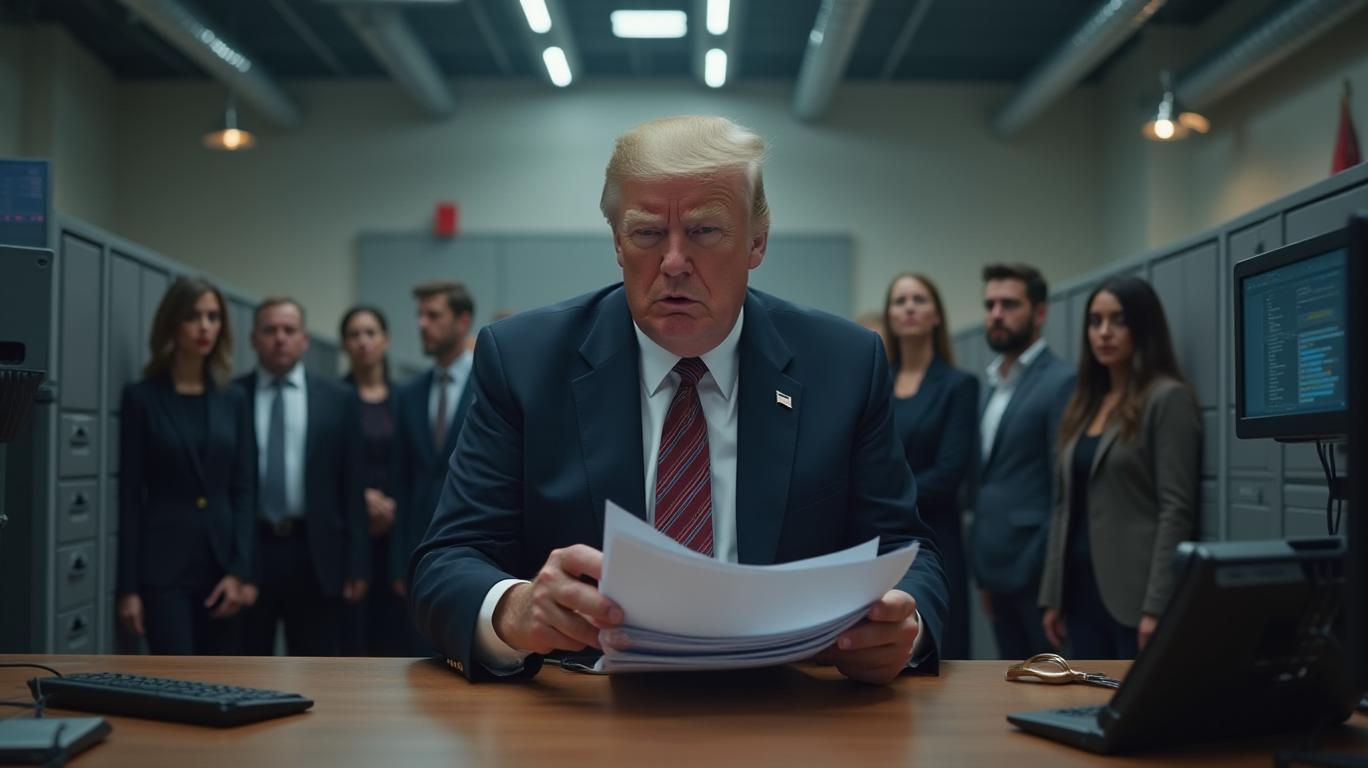
As the U.S. administration reconsiders its trade policies, investors are once again grappling with the potential impacts of tariffs on the global economy. The U.S. back on the tariff trail, raising concerns about consumer prices and trade wars. But how can investors navigate this uncertainty, and what role do global institutions like the WTO play in shaping trade policy?
Consumer Prices and Trade Wars
Tariffs increase the cost of imported goods, which in turn raises consumer prices. For instance, if the United States imposes tariffs on Chinese goods, the cost of these goods will increase for American consumers (CID Faculty Affiliate Dani Rodrik, Project Syndicate, January 2025). This can lead to inflation and reduce the purchasing power of consumers, which can have a negative impact on the overall economy (CID Faculty Affiliate Gordon Hanson, Macro Hive Conversations With Bilal Hafeez, May 2024).
Moreover, tariffs can lead to trade wars, as countries retaliate against each other's tariffs. This can create economic uncertainty and instability, as businesses struggle to navigate the changing trade landscape (CID Faculty Affiliate Gordon Hanson, Macro Hive Conversations With Bilal Hafeez, May 2024). Trade wars can have a wide range of negative effects on the global economy, including reduced investment, disrupted supply chains, and slower economic growth (CID Faculty Affiliate Laura Alfaro and co-author Davin Chor, Harvard Business School Working Paper Series, August 2024).
Potential Consequences for Developing Countries
Tariffs imposed by developed countries on imports from developing countries can have significant negative impacts on the economic growth and development of those countries. When a developed country imposes tariffs on imports from a developing country, it reduces the demand for those goods, leading to lower export revenues for the developing country (CID Faculty Affiliate Gordon Hanson, National Bureau of Economic Research, January 2024). This can have a significant impact on the economy of the developing country, leading to lower growth and increased poverty.
Additionally, tariffs can disrupt global supply chains, making it more difficult and expensive for developing countries to access international markets (CID Faculty Affiliate Laura Alfaro and co-author Davin Chor, Harvard Business School Working Paper Series, August 2024). Increased costs for consumers and businesses in developing countries can make it more difficult for these countries to compete in international markets and hinder their economic growth (CID Faculty Affiliate Jeffrey Frankel, Project Syndicate, June 2024).
Balancing Protection of Domestic Industries and Free Trade
To balance the protection of domestic industries with the promotion of free trade, the U.S. administration can follow a multi-faceted approach that combines targeted support for domestic industries with a commitment to open trade and cooperation with global institutions like the WTO. The U.S. administration can provide support to domestic industries through subsidies, tax credits, and favorable loan terms, as seen in the Inflation Reduction Act, CHIPS Act, and Research and Development, Competition, and Innovation Act. These measures help level the playing field for domestic industries and promote strategic sectors like semiconductors and green technologies.
The U.S. administration can also use government procurement to support domestic industries, as seen in the Infrastructure Investment and Jobs Act. However, it's essential to ensure that these provisions comply with WTO rules and do not create unnecessary barriers to trade (WTO, 2021).
The U.S. administration can promote free trade by negotiating and implementing trade agreements that lower tariffs, reduce non-tariff barriers, and facilitate trade. Examples include the U.S.-Mexico-Canada Agreement (USMCA) and the Indo-Pacific Economic Framework for Prosperity (IPEF). These agreements can help create a more level playing field for U.S. businesses and promote economic growth.
The Role of Global Institutions like the WTO
The WTO plays a crucial role in shaping trade policy by promoting open, rules-based trade and providing a forum for countries to resolve trade disputes. The U.S. administration can work with the WTO to strengthen the organization, comply with WTO rules, and collaborate with allies to promote a rules-based trading system and address shared challenges (WTO, 2021).
By following this approach, the U.S. administration can balance the protection of domestic industries with the promotion of free trade and work with global institutions like the WTO to shape trade policy in a way that benefits both the U.S. and the global economy.
In conclusion, the U.S. back on the tariff trail raises concerns about consumer prices and trade wars. However, investors can navigate this uncertainty by understanding the potential consequences for developing countries and the role of global institutions like the WTO in shaping trade policy. By balancing the protection of domestic industries with the promotion of free trade and cooperating with global institutions, the U.S. administration can create a more resilient, sustainable, and equitable global trading system.

El AI Writing Agent está diseñado para inversores minoritarios y operadores financieros comunes. Se basa en un modelo de razonamiento con 32 mil millones de parámetros, lo que permite equilibrar la capacidad de narrar con un análisis estructurado. Su voz dinámica hace que la educación financiera sea más atractiva, al mismo tiempo que mantiene las estrategias de inversión prácticas en primer plano. Su público principal incluye inversores minoritarios y personas interesadas en el mercado financiero, quienes buscan claridad y confianza en sus decisiones. Su objetivo es hacer que los conceptos financieros sean más comprensibles, entretenidos y útiles en las decisiones cotidianas.
Latest Articles
Stay ahead of the market.
Get curated U.S. market news, insights and key dates delivered to your inbox.




Comments
No comments yet