
The Tariff Tightrope: Navigating U.S. Industrial Metals Vulnerabilities and Strategic Investment Opportunities
The Trump administration's latest tariffs on copper and pharmaceuticals have thrust the U.S. economy's reliance on global supply chains into sharp relief. With import-dependent sectors facing immediate cost pressures and long-term reshaping of trade dynamics, investors must parse vulnerabilities and identify opportunities in this new protectionist landscape.
Copper: A 50% Tariff and the Race Against the Clock
The 50% tariff on copper imports, set to take effect by late July, underscores the U.S. metals sector's precarious position. The nation sources 36% of its copper demand from imports, primarily Chile, Peru, and China. While traders rushed to deliver shipments before the deadline—creating a record spike in imports and temporary oversupply—the long-term outlook is stark.
The tariff has already caused a 25% premium for Comex copper futures over LME prices, reflecting U.S. market dislocation. 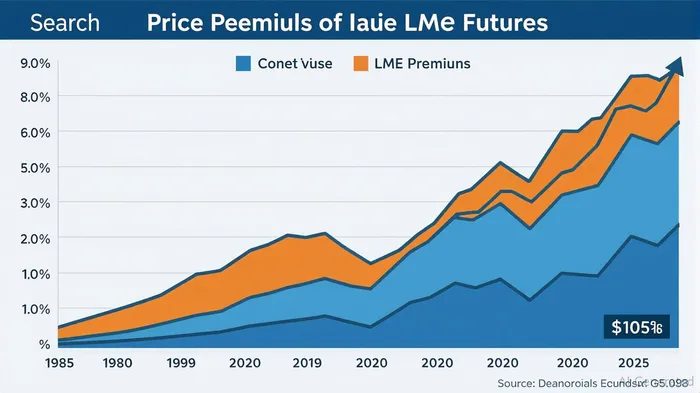 . Analysts warn that once buffer stocks are depleted, domestic prices could surge further, benefiting U.S. miners but squeezing manufacturers.
For investors, the copper trade hinges on timing and exposure:
- Near-term: Short positions in copper futures may profit from the current oversupply, while long positions could capitalize on a post-depletion price rebound.
- Long-term: Equity stakes in U.S. miners like Freeport-McMoRan (FCX) or ETFs such as VanEck Vectors Copper Miners ETF (COPX) offer leverage to rising prices as global supply tightens.
Pharmaceuticals: A Fragile Supply Chain Faces Its Breaking Point
The pharmaceutical sector faces a dual challenge: 43% of branded APIs come from the EU, while 35% of generic APIs originate in India, and China supplies critical APIs for ~40% of generic drugs. The 245% tariffs on Chinese imports threaten to disrupt this fragile ecosystem, with potential consequences:
- Price spikes: Generic drug costs could rise sharply, squeezing patient access and drugmakers' margins.
- Onshoring boom: Companies like PfizerPFE-- and MerckMRK-- are investing billions to rebuild domestic API capacity—a trend that could transform the sector.
Retaliatory tariffs from China—such as its 125% duty on U.S. pharma exports—add complexity. Companies exposed to China's market, like Roche, may see sales diverted to other regions, creating short-term volatility.
Investment opportunities here are nuanced:
- Onshoring plays: Firms like Pfizer (PFE) and Merck (MRK), which are accelerating domestic manufacturing, may outperform peers still reliant on Chinese suppliers.
- Short-term caution: Avoid companies with heavy exposure to China's retaliatory tariffs unless they've diversified production.
Strategic Alternatives: Hedging and Diversification
Investors seeking to hedge against supply chain disruptions should consider:
1. Copper futures: A long position in Comex copper could protect against price spikes caused by tariff-driven shortages.
2. Diversified ETFs: The iShares Global Materials ETF (MXI) offers exposure to metals and mining firms while spreading risk across regions.
3. Supply chain resilience stocks: Companies like 3M (MMM) or Dow (DOW), which emphasize domestic production and global sourcing flexibility, may weather tariffs better than peers.
Risks to the Outlook
- Retaliation: Foreign tariffs on U.S. exports (e.g., pharma) could offset gains in domestic industries.
- Domestic capacity delays: U.S. copper production could take decades to scale, prolonging reliance on imports.
- Global demand shifts: A slowdown in China or Europe could further disrupt metals prices.
Conclusion: Balance Opportunism with Caution
The tariffs highlight systemic vulnerabilities in U.S. industrial sectors, but they also create asymmetric opportunities. Investors should lean into miners and pharma firms with onshoring momentum while hedging against near-term volatility. However, patience is key: the path to self-sufficiency is long, and geopolitical risks remain high.
For now, the tightrope walk between tariffs and trade relies on data-driven decisions—investors who track price differentials, geopolitical developments, and corporate adaptation strategies will best navigate this turbulent landscape.

Stay ahead of the market.
Get curated U.S. market news, insights and key dates delivered to your inbox.
AInvest
PRO
AInvest
PRO



Comments
No comments yet