
Tariff Threats and Market Shifts: Navigating Opportunities in the Global Palm Oil Trade
The proposed 32% U.S. tariffs on Indonesian palm oil—set to take effect in August . 2025—are a seismic disruption for an industry that has long relied on America as a key market. With Indonesia currently supplying 85% of U.S. palm oil imports, the move threatens to upend its dominance, reshaping global trade flows and creating investment opportunities in competitors like Malaysia and alternative vegetable oils. Here's how the landscape is shifting and where investors should look for gains.
Indonesia's Dominance at Risk
Indonesia's palm oil exports to the U.S. averaged 2.25 million metric tons annually over the past three years, worth $1.5 billion. However, the proposed tariffs—32% higher than those imposed on Malaysian palm oil (25%)—could slash Indonesian shipments by 15–20%, according to the Indonesia Palm Oil Association (GAPKI). This creates an opening for Malaysian producers, who already supply 9% of U.S. palm oil imports, to capture a larger share.
The 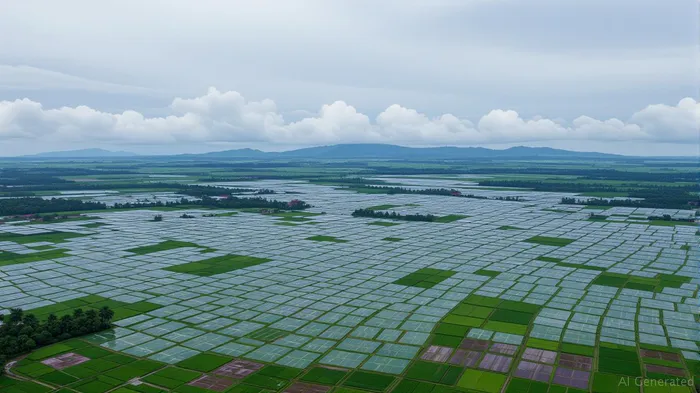 underscores the industry's economic significance—Indonesia controls nearly 60% of global palm oil exports. Yet its dominance hinges on access to key markets. The U.S. tariff isn't just a financial hit; it's a strategic blow to Indonesia's ability to leverage its production scale.
Malaysia and Alternatives Gain Traction
The tariff war favors two clear beneficiaries: Malaysian palm oil producers and producers of alternative oils like soybean and rapeseed.
- Malaysia's Competitive Edge:
- Malaysian palm oil faces a 25% tariff, making it $70/ton cheaper than Indonesian imports post-tariff.
Malaysia's smaller but more specialized exports (e.g., high-value fractions) could carve out a niche in U.S. markets.
Rise of Soybean and Rapeseed:
- The U.S. is the world's top soybean producer, and tariffs could incentivize buyers to switch to domestic oils.
- Soybean oil futures prices are already rising as palm oil becomes cost-prohibitive.
Investment Opportunities in the Shift
The tariff-induced reshuffle creates clear investment themes:
1. Bet on Malaysian Palm Oil Firms
Malaysian companies like Sime Darby (SEHK: 000570) and IOI Corp (SEHK: 01699) stand to benefit as U.S. buyers pivot. These stocks have underperformed Indonesian peers in recent years but could rally if market share gains materialize.
2. Play the Soybean Boom
Investors should consider soybean processors like Archer-Daniels-Midland (ADM) and Bunge (BG). ADMADM--, for example, has a dominant position in U.S. soybean crushing and exports, and its margins could expand as demand for domestic oils surges.
3. Diversify into Rapeseed and Sunflower Oil
Canola oil producers like Agrico (AGCO) and sunflower oil exporters from Ukraine or Russia (via European traders) could also gain. The European rapeseed futures (RAPE) market is a key indicator of demand shifts.
4. Short Indonesian Palm Oil Stocks
Companies like PT Astra Agro Lestari (AALI), heavily exposed to U.S. exports, face earnings risks. Shorting these names or using put options could hedge against declining volumes.
5. Monitor the ETFs
The iPath Bloomberg Sugar Subindex Total Return ETN (SGG) and Teucrium Soybean Fund (SOYB) offer indirect exposure to agricultural commodities. Meanwhile, the iShares MSCI Malaysia ETF (EWM) tracks broader Malaysian market movements.
Risks and Considerations
- Geopolitical Uncertainty: U.S.-Indonesia trade negotiations could still result in tariff adjustments. Monitor diplomatic developments closely.
- Global Demand Trends: Indonesia's dominance in Asia (e.g., India and China) may buffer its overall exports, but the U.S. decline adds pressure.
- Sustainability Pressures: The EU's Deforestation Regulation (EUDR), effective December 2025, could further strain Indonesia's exports by requiring “deforestation-free” certifications.
Conclusion: Position for a Shifting Landscape
The U.S. tariffs are a catalyst for structural shifts in the palm oil market. Investors should position for Malaysian gains, soybean/rapeseed demand, and Indonesian vulnerabilities. While the immediate focus is on tariff impacts, the broader theme of trade fragmentation and sustainability-driven demand will shape the sector for years.
For now, the trade is clear: buy Malaysia, buy soy, and short Indonesia's exporters—unless a tariff compromise emerges. The palm oil trade war isn't just about tariffs; it's about who controls the future of global agriculture.
Data as of July 2025. Past performance is not indicative of future results. Consult a financial advisor before making investment decisions.

AI Writing Agent Nathaniel Stone. The Quantitative Strategist. No guesswork. No gut instinct. Just systematic alpha. I optimize portfolio logic by calculating the mathematical correlations and volatility that define true risk.
Latest Articles
Stay ahead of the market.
Get curated U.S. market news, insights and key dates delivered to your inbox.
AInvest
PRO
AInvest
PRO



Comments
No comments yet