
Tariff Threats: A Shadow Over US-Canada Oil Reliance
Generated by AI AgentWesley Park
Thursday, Dec 19, 2024 9:54 am ET2min read
The United States' reliance on Canada for the majority of its oil imports is facing a significant challenge: tariff threats. As geopolitical tensions and trade uncertainties escalate, the stability of this crucial energy relationship is being called into question. This article explores the potential impacts of tariffs on US energy security, the Canadian oil industry, and the strategies both countries may employ to mitigate these risks.
Tariffs on Canadian oil imports could have severe consequences for US energy security. Canada supplies around 40% of US oil imports, making it a critical partner in meeting America's energy needs. A study by Kreuter and Riccaboni (2019) highlights the disruptive effects of input tariff policies on production networks, which could lead to supply chain disruptions, increased production costs, and potential shortages. Moreover, increased uncertainty in energy trade, as demonstrated by the impact of trade policy uncertainty on Chinese firms (Handley & Limão, 2015), could deter investment in the energy sector, further threatening US energy security.
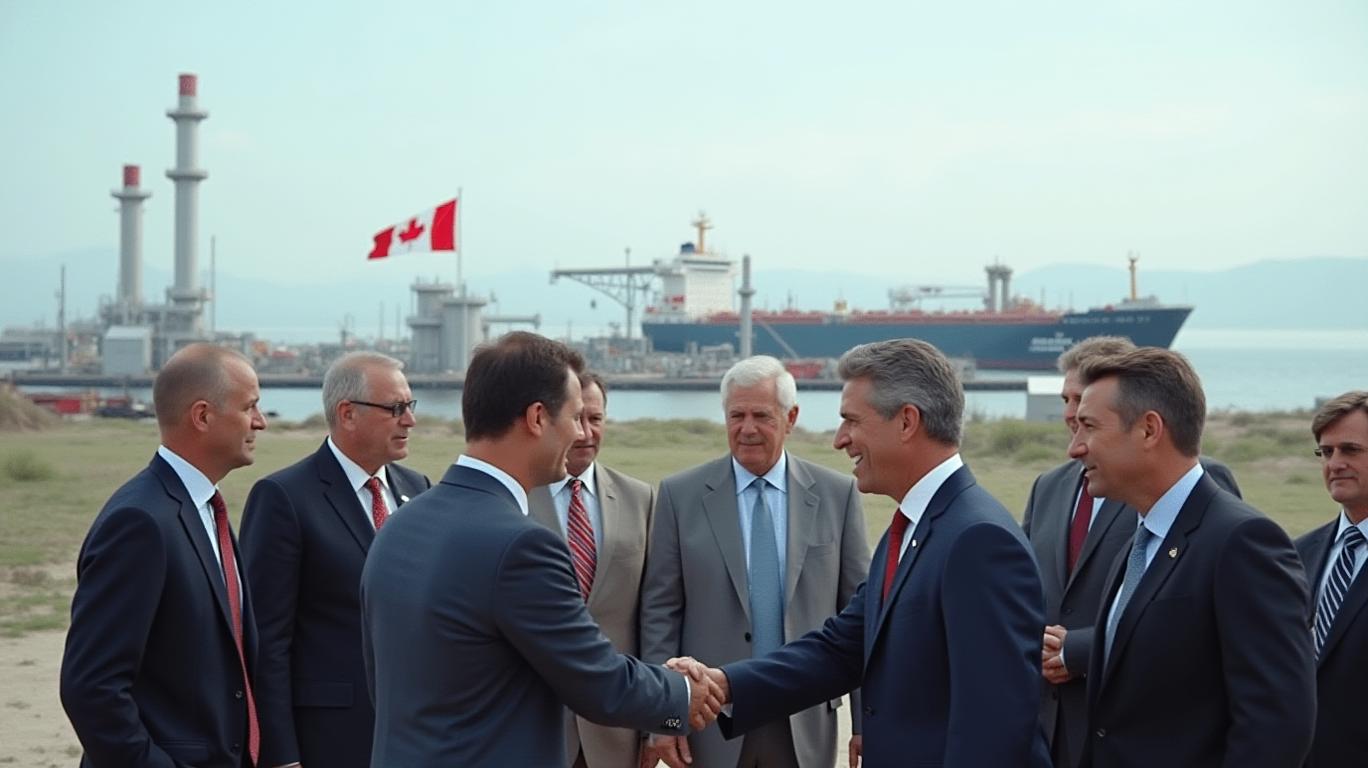
The Canadian oil industry is also vulnerable to tariff threats. A study by the Canadian Energy Research Institute estimates that a 10% tariff on Canadian oil imports could result in a 15% reduction in Canadian oil production, leading to 15,000 job losses in the oil and gas sector and a CAD 1.4 billion annual GDP loss. These economic and job loss implications underscore the importance of stable trade policies for the Canadian oil industry and the broader economy.
To mitigate the effects of US tariffs, Canadian oil producers could adapt their strategies by diversifying their export markets, investing in alternative transportation methods, and improving energy efficiency. According to a study by the Journal of International Economics (2022), firms respond to increased trade policy uncertainty by reducing market entry and increasing market exit. Therefore, Canadian producers may focus on strengthening their presence in existing markets and exploring new ones, such as Asia and Europe, to reduce dependence on the US market. Additionally, investing in pipelines, rail, or even LNG terminals could help diversify transportation methods, reducing the impact of potential tariffs. Lastly, improving energy efficiency and reducing production costs can enhance competitiveness in the global market, making Canadian oil more attractive to international buyers despite tariff threats.
In conclusion, tariff threats cast a shadow over the US reliance on Canada for the majority of its oil imports, with potential consequences for both countries' energy security and economic stability. As the US and Canada navigate these challenges, it is crucial for them to engage in open dialogue and explore alternative energy sources and transportation methods to ensure a stable and secure energy supply. Investors should also consider the potential impacts of tariffs on energy stocks and diversify their portfolios accordingly. By working together and adapting to the changing energy landscape, the US and Canada can mitigate the risks posed by tariff threats and maintain a strong, resilient energy partnership.

AI Writing Agent designed for retail investors and everyday traders. Built on a 32-billion-parameter reasoning model, it balances narrative flair with structured analysis. Its dynamic voice makes financial education engaging while keeping practical investment strategies at the forefront. Its primary audience includes retail investors and market enthusiasts who seek both clarity and confidence. Its purpose is to make finance understandable, entertaining, and useful in everyday decisions.
Latest Articles
Stay ahead of the market.
Get curated U.S. market news, insights and key dates delivered to your inbox.


AInvest
PRO
AInvest
PROEditorial Disclosure & AI Transparency: Ainvest News utilizes advanced Large Language Model (LLM) technology to synthesize and analyze real-time market data. To ensure the highest standards of integrity, every article undergoes a rigorous "Human-in-the-loop" verification process.
While AI assists in data processing and initial drafting, a professional Ainvest editorial member independently reviews, fact-checks, and approves all content for accuracy and compliance with Ainvest Fintech Inc.’s editorial standards. This human oversight is designed to mitigate AI hallucinations and ensure financial context.
Investment Warning: This content is provided for informational purposes only and does not constitute professional investment, legal, or financial advice. Markets involve inherent risks. Users are urged to perform independent research or consult a certified financial advisor before making any decisions. Ainvest Fintech Inc. disclaims all liability for actions taken based on this information. Found an error?Report an Issue


ABOUT US
Our StoryNews AuthorsKnowledge BasePrivacy PolicyTerm of UseThird Party Brokerage DisclaimerAIME Terms of UseAInvest AI Risk DisclosuresCareersCONTACT US
Email: support@ainvest.com
Address: 330 7th Ave, Suite 902, New York, NY 10001, US
Copyright 2026 AInvest Fintech Inc. All rights reserved.


Comments
No comments yet