
Target and Ulta End In-Store Beauty Partnership in 2026
ByAinvest
Thursday, Aug 14, 2025 9:38 am ET1min read
TGT--
Ulta Beauty, under the leadership of CEO Kecia Steelman, has been focusing on its "Ulta Beauty Unleashed" strategy. This involves pivoting towards stand-alone stores, e-commerce expansion, and international growth. The company aims to preserve its brand identity and customer experience, which have been diluted by the partnership with Target [1].
Target, on the other hand, is doubling down on its affordability-focused beauty strategy. The retailer plans to introduce 2,000 new budget products priced under $20. This move is part of Target's broader strategy to capture a broader demographic, particularly price-sensitive consumers. However, this could potentially alienate some Ulta shoppers who are accustomed to premium products [1].
The dissolution of the partnership will also impact customer loyalty programs. The cross-linked accounts of Ulta Beauty Rewards and Target Circle, which had 4 million shoppers linked by 2024, will now face fragmented rewards. Both companies will need to rebuild trust independently, with Ulta focusing on its e-commerce marketplace and Target balancing affordability with quality [1].
The beauty retail sector is highly competitive, with players like Sephora and direct-to-consumer brands vying for dominance. The Ulta-Target partnership initially positioned Ulta as a hybrid of convenience and prestige, but its dissolution forces a return to core strengths. Ulta's strategic focus on stand-alone stores and international expansion aligns with the growing demand for immersive, high-touch retail experiences. Target's shift to affordability reflects a broader retail trend: the rise of "value" segments in discretionary categories [1].
Investors should view this transition as an opportunity to assess how each company adapts to evolving consumer demands. While risks remain, particularly in execution and competition, the strategic clarity demonstrated by both Ulta and Target suggests a future where brand autonomy and market positioning drive sustainable growth.
References:
[1] https://www.ainvest.com/news/ulta-beauty-target-partnership-strategic-implications-retail-beauty-sectors-2508/
ULTA--
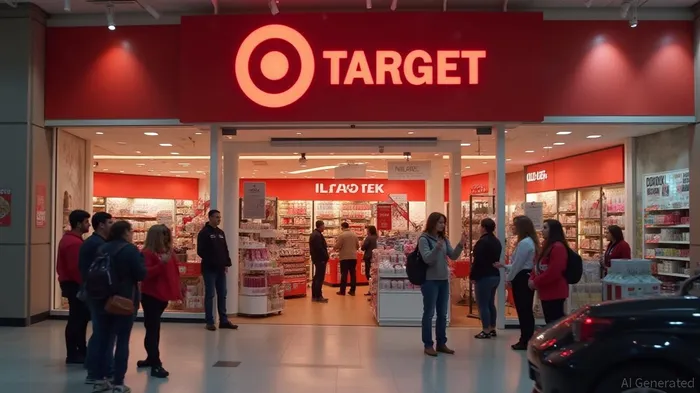
Target and Ulta will end their in-store beauty partnership in 2026, concluding a popular offering that drew shoppers to Target. The partnership, launched in 2021, featured Ulta beauty stores inside Target locations and online. The decision comes as Target struggles to reignite growth and faces challenges in sales, traffic, and boycott calls. Ulta said the partnership helps broaden its reach, but has taken a pause in opening more Ulta stores at Target. Shares of both companies dipped in premarket trading.
Target and Ulta Beauty have announced that they will not renew their in-store beauty partnership, which is set to conclude in August 2026. The partnership, launched in 2021, featured Ulta beauty stores inside Target locations and online. This decision comes as Target struggles to reignite growth and faces challenges in sales, traffic, and boycott calls. Ulta, meanwhile, has paused the expansion of its Ulta stores at Target locations. Shares of both companies dipped in premarket trading.Ulta Beauty, under the leadership of CEO Kecia Steelman, has been focusing on its "Ulta Beauty Unleashed" strategy. This involves pivoting towards stand-alone stores, e-commerce expansion, and international growth. The company aims to preserve its brand identity and customer experience, which have been diluted by the partnership with Target [1].
Target, on the other hand, is doubling down on its affordability-focused beauty strategy. The retailer plans to introduce 2,000 new budget products priced under $20. This move is part of Target's broader strategy to capture a broader demographic, particularly price-sensitive consumers. However, this could potentially alienate some Ulta shoppers who are accustomed to premium products [1].
The dissolution of the partnership will also impact customer loyalty programs. The cross-linked accounts of Ulta Beauty Rewards and Target Circle, which had 4 million shoppers linked by 2024, will now face fragmented rewards. Both companies will need to rebuild trust independently, with Ulta focusing on its e-commerce marketplace and Target balancing affordability with quality [1].
The beauty retail sector is highly competitive, with players like Sephora and direct-to-consumer brands vying for dominance. The Ulta-Target partnership initially positioned Ulta as a hybrid of convenience and prestige, but its dissolution forces a return to core strengths. Ulta's strategic focus on stand-alone stores and international expansion aligns with the growing demand for immersive, high-touch retail experiences. Target's shift to affordability reflects a broader retail trend: the rise of "value" segments in discretionary categories [1].
Investors should view this transition as an opportunity to assess how each company adapts to evolving consumer demands. While risks remain, particularly in execution and competition, the strategic clarity demonstrated by both Ulta and Target suggests a future where brand autonomy and market positioning drive sustainable growth.
References:
[1] https://www.ainvest.com/news/ulta-beauty-target-partnership-strategic-implications-retail-beauty-sectors-2508/
Stay ahead of the market.
Get curated U.S. market news, insights and key dates delivered to your inbox.
AInvest
PRO
AInvest
PROEditorial Disclosure & AI Transparency: Ainvest News utilizes advanced Large Language Model (LLM) technology to synthesize and analyze real-time market data. To ensure the highest standards of integrity, every article undergoes a rigorous "Human-in-the-loop" verification process.
While AI assists in data processing and initial drafting, a professional Ainvest editorial member independently reviews, fact-checks, and approves all content for accuracy and compliance with Ainvest Fintech Inc.’s editorial standards. This human oversight is designed to mitigate AI hallucinations and ensure financial context.
Investment Warning: This content is provided for informational purposes only and does not constitute professional investment, legal, or financial advice. Markets involve inherent risks. Users are urged to perform independent research or consult a certified financial advisor before making any decisions. Ainvest Fintech Inc. disclaims all liability for actions taken based on this information. Found an error?Report an Issue




Comments
No comments yet